
Prophetic Health - Page 3
Generic drug markets are set to grow to over $700 billion by 2030, driven by patent expirations, aging populations, and global cost pressures. India and China lead production, while biosimilars and complex generics redefine affordability.
Medication synchronization aligns all your prescription refills to one monthly date, reducing missed doses and pharmacy visits. Learn how it works, who benefits most, and how to get started.

Learn proven strategies to lower costs for specialty medications and injectables. From biosimilars to formulary management, discover actionable steps employers and patients can take to save money without compromising care.

Fibromyalgia causes widespread, chronic pain that doesn't respond to typical treatments. Antidepressants like amitriptyline and duloxetine help by calming overactive pain signals in the nervous system - not by treating depression. Learn how they work, what to expect, and why they're a key part of managing this condition.
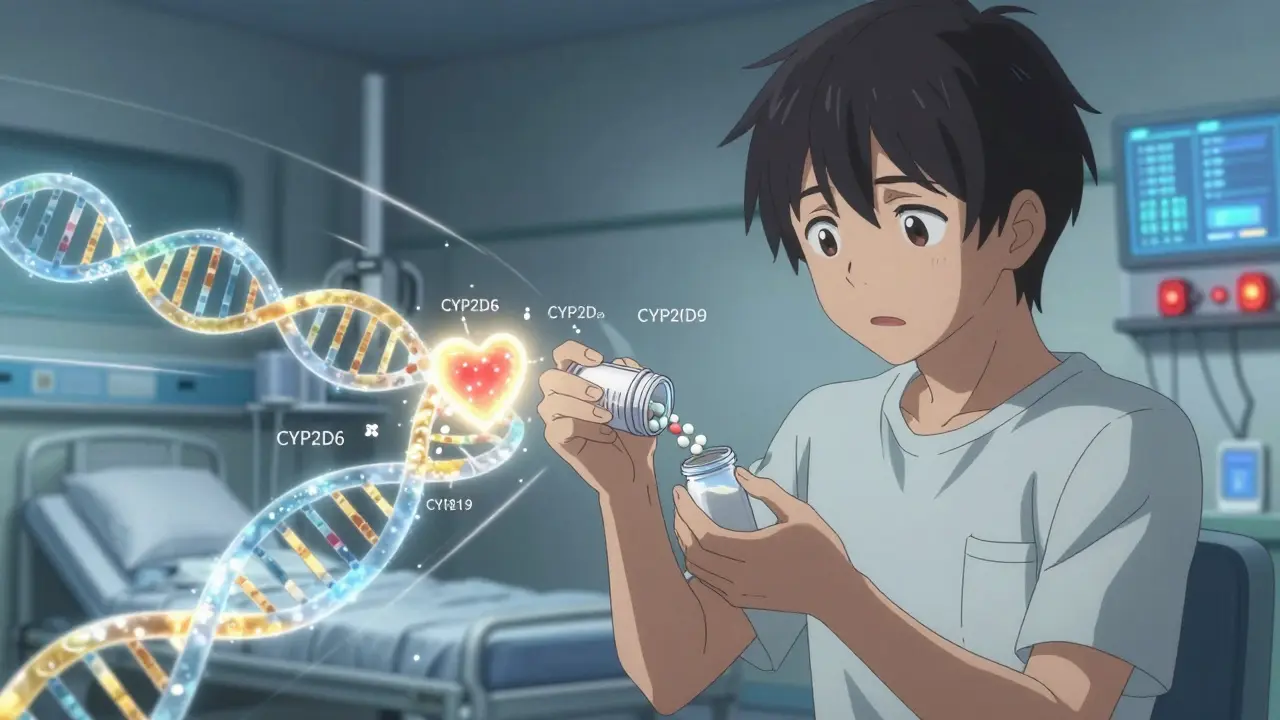
Pharmacogenomics uses your DNA to predict how you'll respond to medications. Learn how gene variations affect drug metabolism, reduce side effects, and improve treatment for depression, heart disease, and cancer.
Pharmacy workflow and error prevention systems use automation, barcode scanning, and EHR integration to cut medication errors by up to 78%. Learn how these tools work, which systems are best, and why technology alone isn't enough to keep patients safe.

PAMORAs are the only drugs that treat opioid-induced constipation without reducing pain relief. Learn how methylnaltrexone, naloxegol, and naldemedine work, their effectiveness, side effects, and real-world costs.
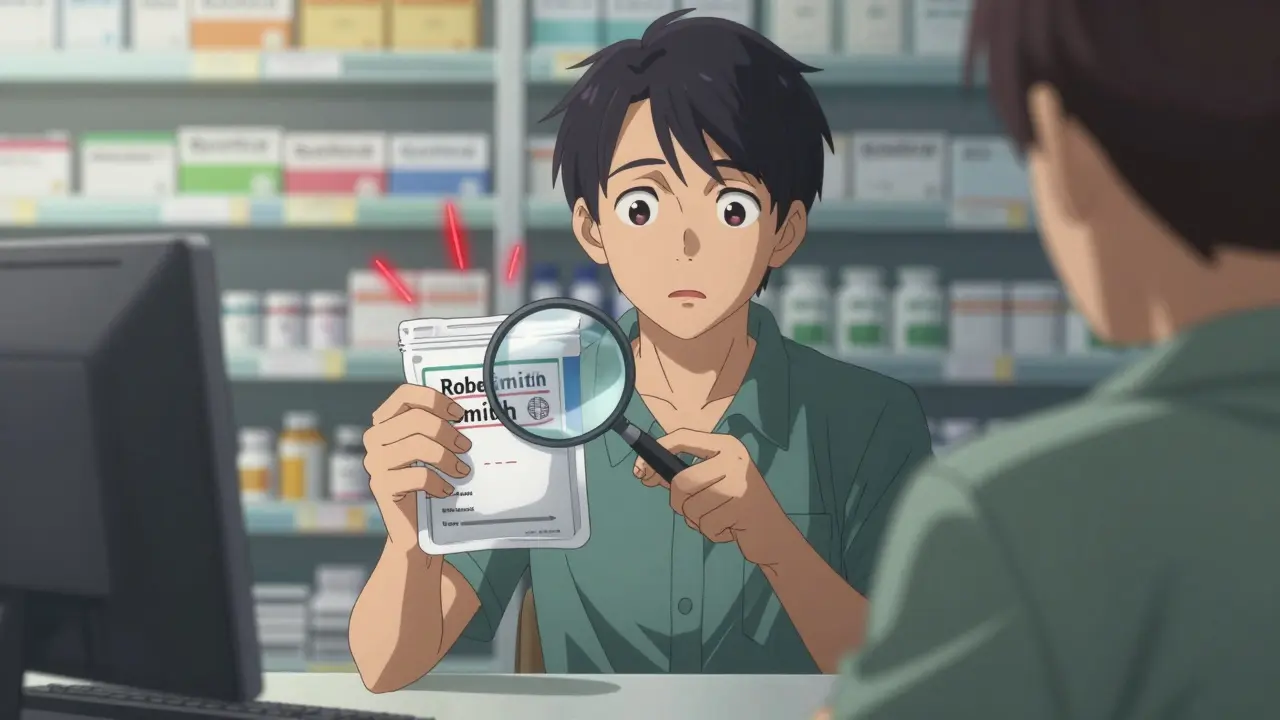
Learn the simple 7-step process to audit your medication bag before leaving the pharmacy - a proven way to catch dispensing errors and prevent dangerous mistakes before they happen.
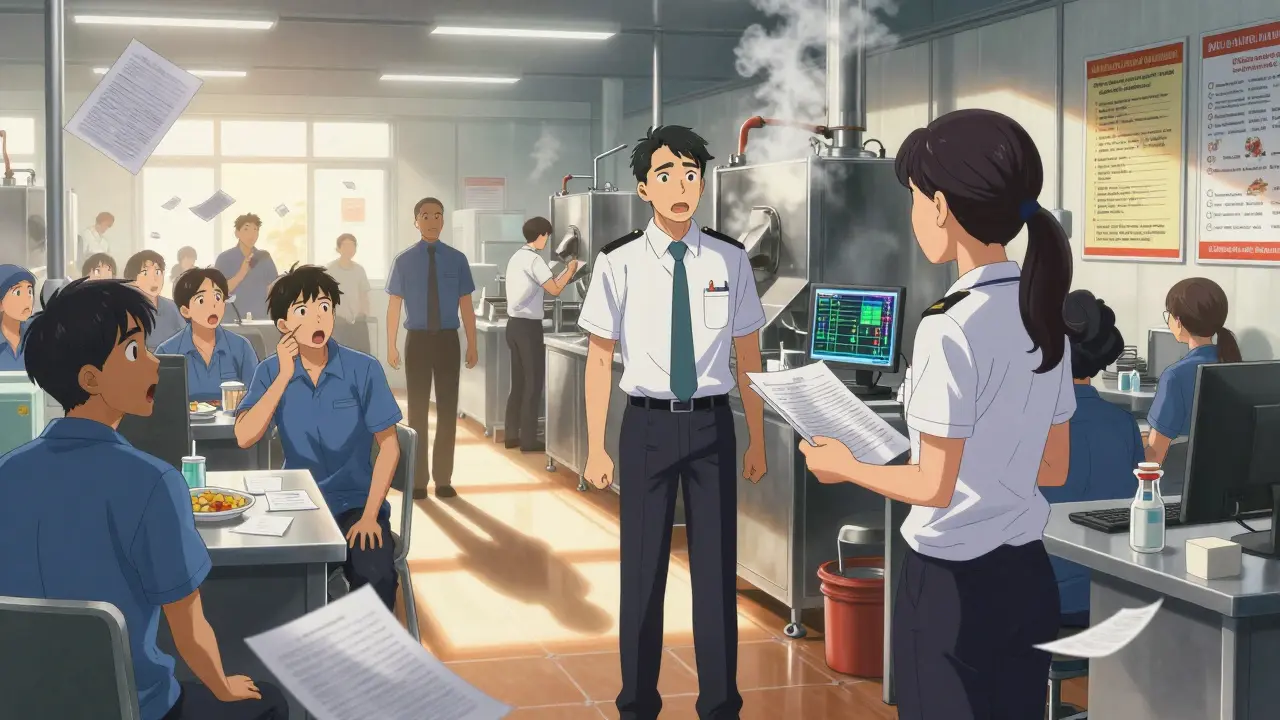
The FDA now conducts unannounced inspections of foreign food facilities to ensure U.S. food safety standards. Overseas plants must be ready 24/7 with digital records, bilingual staff, and full compliance-or risk shipment refusal and criminal penalties.
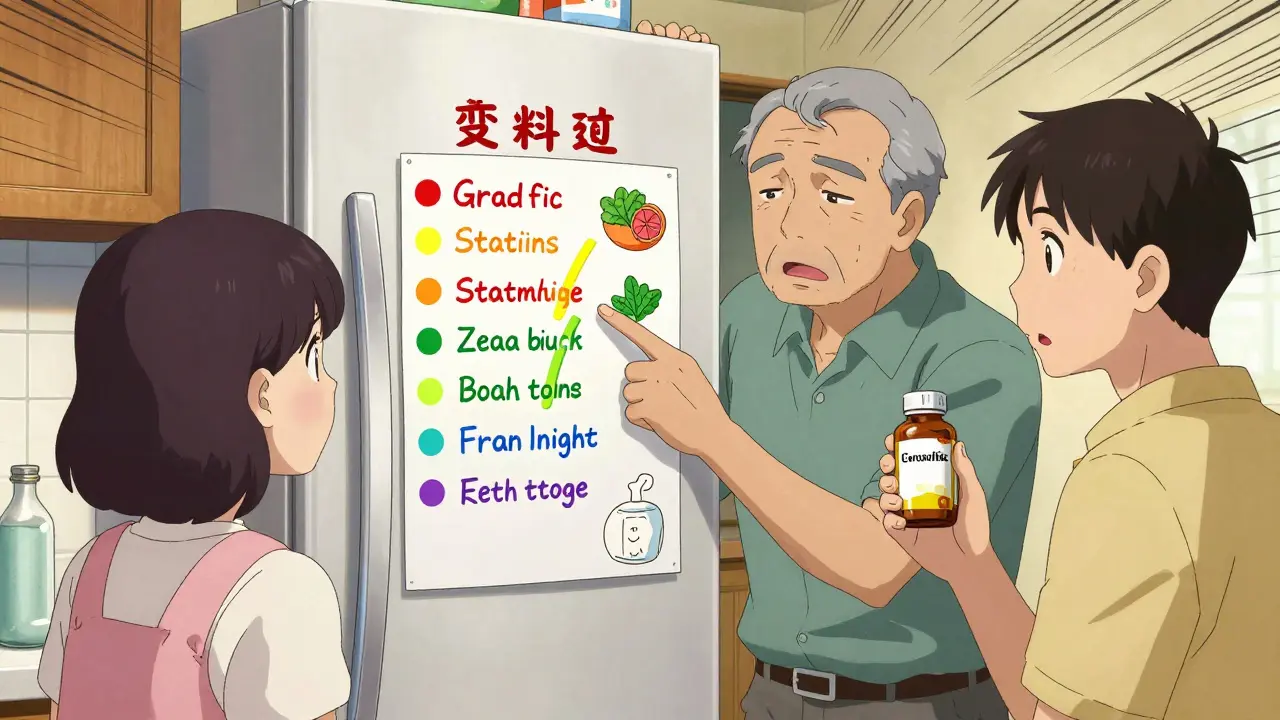
Create a personalized food and medication interaction checklist to prevent dangerous reactions. Learn what to include, how to rate risks, where to find accurate info, and how to use it daily for better health.

Learn how to build a simple, reliable daily medication routine that fits your life-not the other way around. Proven strategies to stop missing doses and stay healthy.
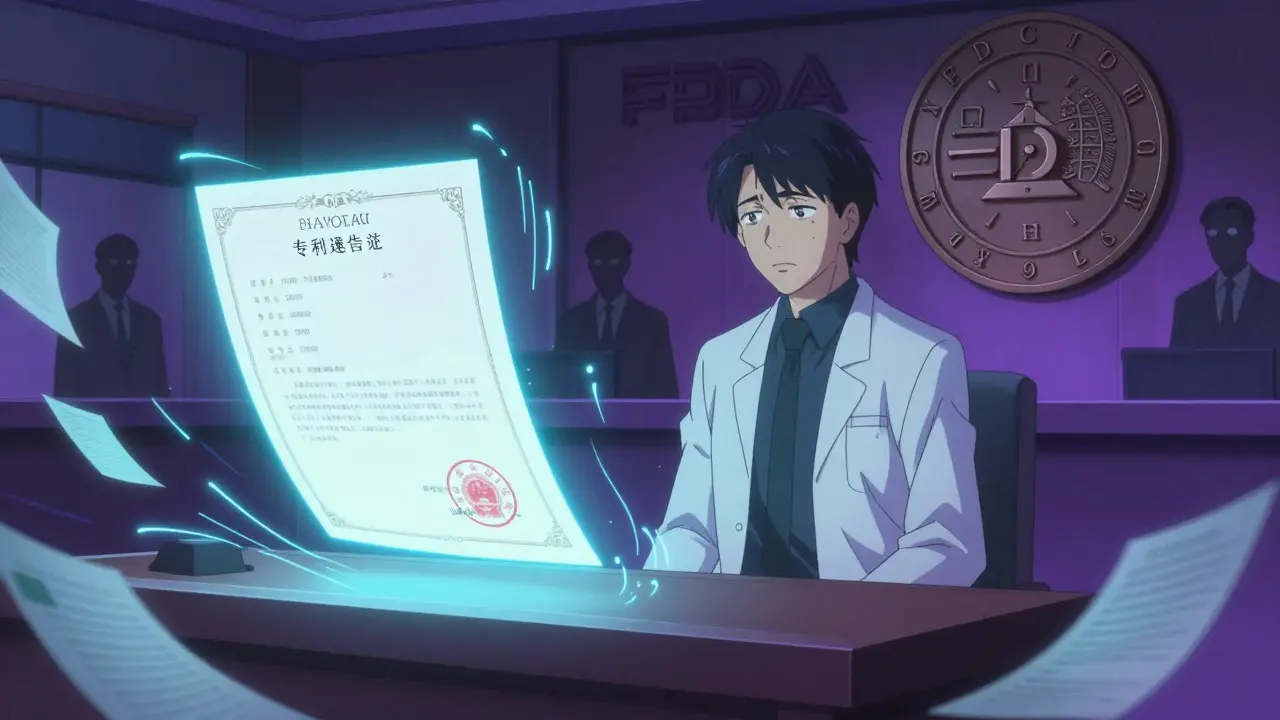
Patent Term Restoration (PTE) lets drug and device makers recover patent time lost during FDA approval. Learn how it works, who qualifies, and why documentation is everything.