
Category: Health - Page 2
When a drug's patent expires, prices often plummet by 80% or more as generics enter the market. But legal tactics, insurance rebates, and complex biologics can delay savings for years - and patients still pay too much.
Batch release testing is the final, mandatory quality check that ensures every drug batch meets safety and efficacy standards before reaching patients. It prevents recalls, protects public health, and remains a non-negotiable step in pharmaceutical manufacturing.
Post-menopausal women face unique medication risks due to hormonal shifts and polypharmacy. Learn how to safely manage hormone therapy, avoid dangerous drug interactions, and reduce adverse events with evidence-based strategies.

Generic medications are used in 90% of pregnancy prescriptions. Learn what the science says about their safety, how they compare to brand-name drugs, and when to stay cautious - with real data and expert guidance.
Verifying prescriber and pharmacy details on your medication label can prevent life-threatening errors. Learn exactly what to check, when to check it, and what to do if something’s wrong.

Diabetic nephropathy is the leading cause of kidney failure in diabetics. ACE inhibitors and ARBs reduce protein leakage and slow kidney damage - but only if taken at maximally tolerated doses. Learn how to use them correctly.

Learn how to identify dangerous drug combinations that raise overdose risk, including opioids with alcohol, benzodiazepines, or street drugs. Discover practical steps anyone can take to prevent fatal interactions.

Genetic factors, especially the SLCO1B1 gene variant, play a major role in statin tolerance. Pharmacogenomics testing can help identify who’s at risk for muscle side effects and guide safer statin choices - but access and interpretation remain challenges.

Military deployment exposes medications to extreme heat, risking loss of potency and endangering soldier health. Strict cold chain protocols, real-time monitoring, and emerging heat-stable drugs are critical to maintaining readiness.

Generic drug markets are set to grow to over $700 billion by 2030, driven by patent expirations, aging populations, and global cost pressures. India and China lead production, while biosimilars and complex generics redefine affordability.
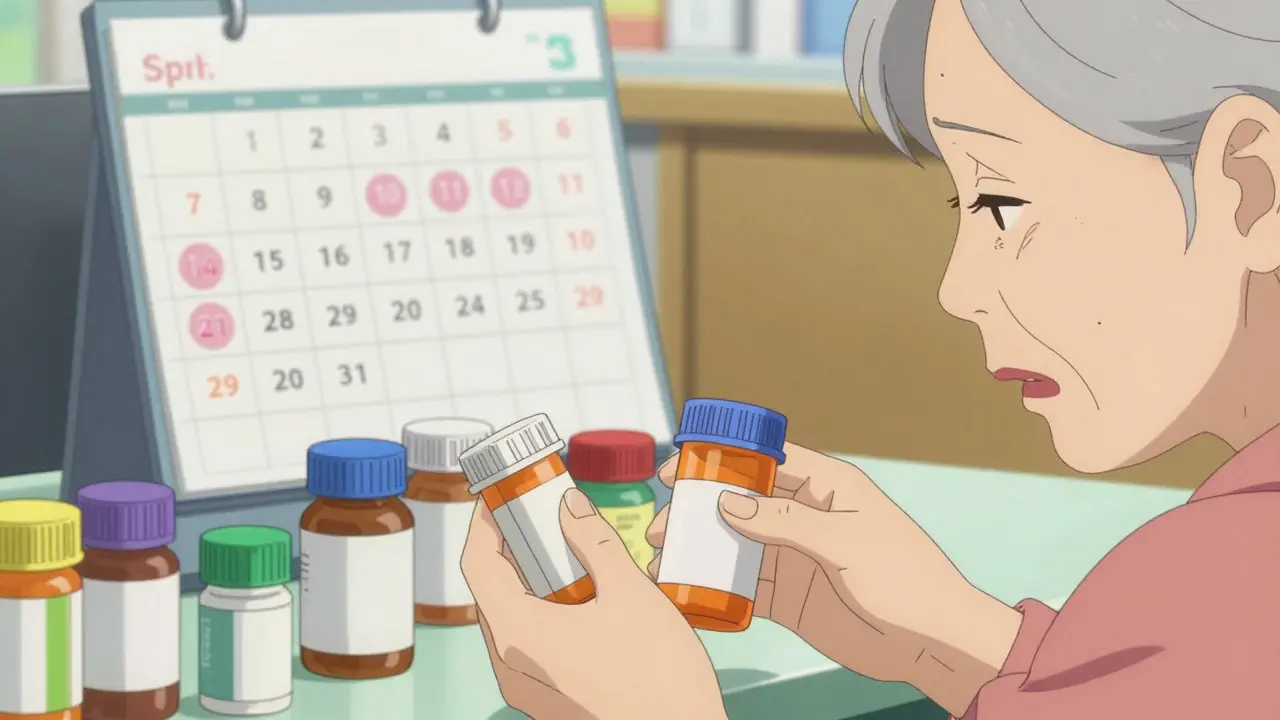
Medication synchronization aligns all your prescription refills to one monthly date, reducing missed doses and pharmacy visits. Learn how it works, who benefits most, and how to get started.

Learn proven strategies to lower costs for specialty medications and injectables. From biosimilars to formulary management, discover actionable steps employers and patients can take to save money without compromising care.