

When you're pregnant, every pill, supplement, or over-the-counter medicine becomes a big decision. You want to treat your symptoms - whether it's nausea, heartburn, or high blood pressure - but you also worry about what it might do to your baby. That’s where generics come in. Most prescriptions during pregnancy are generic. In the U.S., about 90% of all prescriptions filled for pregnant women are generics. But many still wonder: Are generic medications safe during pregnancy?
What Exactly Is a Generic Drug?
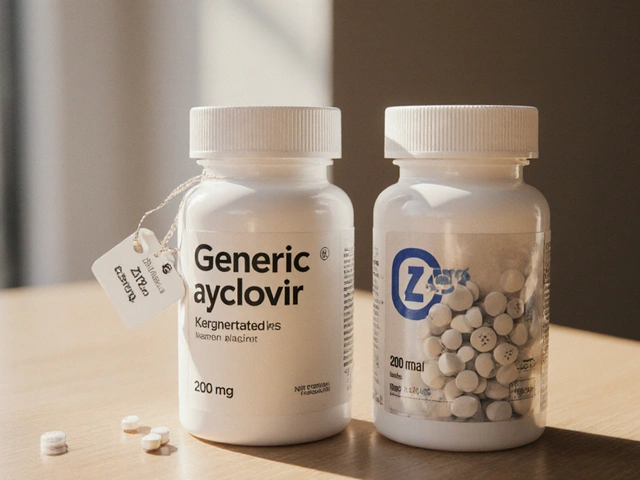
A generic drug isn’t a copy or a substitute. It’s the exact same medicine as the brand-name version, just without the marketing. The active ingredient - the part that actually works - is identical. If you take levothyroxine for hypothyroidism, whether it’s Synthroid or a generic, the molecule in your bloodstream is the same. The FDA requires generics to match the brand-name drug in strength, dosage form, route of administration, and how quickly it enters your system. For most drugs, that means the generic must deliver between 80% and 125% of the brand’s effect. For high-stakes drugs like levothyroxine, the range is even tighter: 90% to 112%. This isn’t guesswork. It’s tested in labs and in people before approval.
Same Safety Rules, Same Labels
The FDA doesn’t treat brand-name and generic drugs differently when it comes to pregnancy safety. If a drug is labeled as Category B (meaning no risk found in animal studies and limited human data), that label applies to every version of that drug - brand or generic. The old letter system (A, B, C, D, X) is gone now, replaced by detailed sections in prescribing info: Pregnancy, Lactation, and Females and Males of Reproductive Potential. But here’s the key: the safety data from the brand-name drug automatically applies to the generic. When a brand updates its warning, the FDA forces all generic versions to update within 30 days. That’s not a suggestion. It’s the law.
What About the Other Stuff?
Generics can differ in color, shape, or filler ingredients - things like dyes, preservatives, or binders. These don’t affect how the medicine works, but sometimes they affect how your body reacts. For example, one woman might feel more nauseated on a generic prenatal vitamin because of the coating or the iron form used. That doesn’t mean the iron is unsafe - just that her stomach reacted differently. A 2020 study found that 32.7% of pharmacists had heard from pregnant patients who felt different side effects between generics from different manufacturers. But no study has shown that these differences lead to worse pregnancy outcomes. In fact, a 2019 analysis of 127 generic substitutions for critical pregnancy medications found no statistically significant difference in miscarriage, preterm birth, or birth defects.

Real-Life Examples: What’s Safe?
Some of the most common drugs used during pregnancy are available as generics - and they’ve been used safely for decades:
- Acetaminophen (Tylenol) - Still the go-to for pain and fever. Generics work the same.
- Prenatal vitamins - The active ingredients (folic acid, iron, calcium) are identical. Some women report less nausea with certain brands, but that’s personal tolerance, not safety.
- Doxylamine-pyridoxine (Diclegis) - Approved for morning sickness. Generics hit the market in late 2022. No new risks found.
- Methyldopa - Used for high blood pressure. Generics have been used since the 1980s with no safety signals.
- Metformin - For gestational diabetes. A 2021 study of 157 women using generic metformin showed the same outcomes as brand-name users.
Even high-risk drugs like isotretinoin (for severe acne) have generic versions - and they’re just as tightly controlled. The iPLEDGE program, which requires monthly pregnancy tests and contraception for anyone taking isotretinoin, applies equally to all versions. FDA data from 2018 to 2022 showed nearly identical pregnancy rates: 0.21% for brand, 0.23% for generics.
When Should You Be Cautious?
There’s one exception: medications with a very narrow therapeutic window. These are drugs where even a small change in blood level can cause problems. Levothyroxine is the big one. That’s why the FDA tightened the bioequivalence rules for it. If you’re on levothyroxine during pregnancy, your doctor may prefer you stick with the same brand - not because generics are unsafe, but because even tiny shifts in absorption can affect thyroid levels, which are critical for fetal brain development. If you switch generics, your provider should check your TSH levels more closely.
Another gray area: compounded medications. These aren’t FDA-approved generics. They’re made by specialty pharmacies and sometimes used when a standard drug isn’t available. But they don’t go through the same testing. The University of North Carolina’s pregnancy medication guide advises avoiding them unless absolutely necessary.
What Do Women Actually Experience?
Online forums tell a mixed story. On Reddit’s r/BabyBumps, a thread about generic vs. brand prenatal vitamins had 287 responses. 63% said they felt no difference. 29% said the generic made them more nauseated. 8% actually preferred the generic. That’s not a safety issue - it’s about how your body handles fillers or coatings. On MotherToBaby’s forums, 42% of women were initially worried about generics. But after talking to their provider, 89% kept using them.
One case study in the Journal of Perinatal Education described a woman whose migraines got worse after switching from brand-name sumatriptan to a generic during pregnancy. Her doctor couldn’t prove the generic caused it - but they switched her back anyway. Sometimes, if something feels off, it’s worth trying the original.
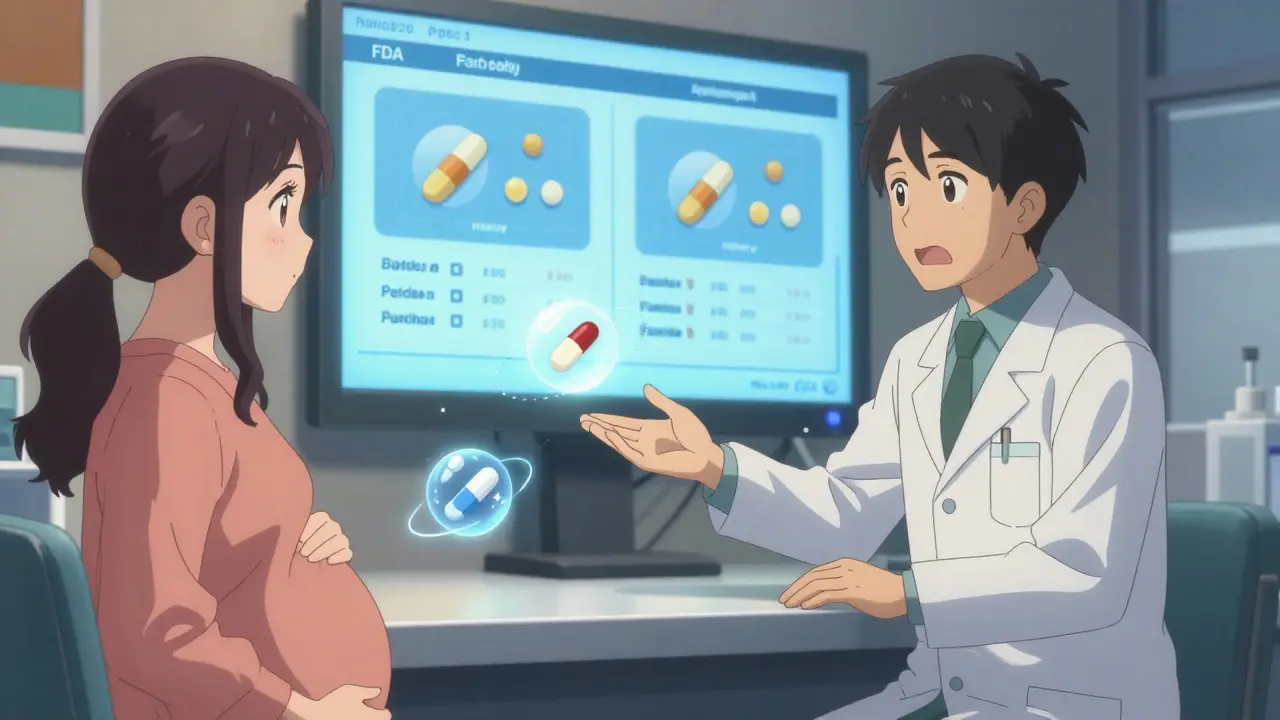
What Your Doctor Should Tell You
The American College of Obstetricians and Gynecologists says this clearly: "Healthcare providers should not hesitate to prescribe generic medications during pregnancy when indicated." Why? Because the science says they’re equivalent. But many doctors still hear hesitation. A 2022 survey found 41.3% of OB-GYNs say patients ask if generics are "really the same." The answer is yes - with one caveat: if you’ve been stable on a brand, and you’re doing well, there’s no need to switch. But if you’re being prescribed a new medication, or your insurance won’t cover the brand, don’t assume the generic is riskier.
Pharmacists are also stepping up. A 2022 survey found 78% of independent pharmacies routinely counsel pregnant patients about generic equivalence. The average time spent? About 4.2 minutes. That’s not a lot - but it’s more than most people realize.
The Bigger Picture
Generics aren’t just cheaper - they’re essential. In 2022, the global generic drug market hit $220 billion. Pregnancy-related medications made up nearly 7% of that. The FDA approved 15 new generic drugs for pregnancy use that year alone - including progesterone, methyldopa, and the first generic version of the nausea medication doxylamine-pyridoxine. The FDA’s Sentinel Initiative now tracks real-world data from millions of electronic health records to watch for any unexpected side effects. So far, no red flags.
By 2027, experts predict 95% of medications used during pregnancy will have generic versions. That’s good news - because access matters. If a woman can’t afford her blood pressure medicine, she’s at higher risk for preeclampsia. A generic that costs $5 instead of $120 isn’t just saving money - it’s saving lives.
Bottom Line
Generic medications during pregnancy are safe, effective, and rigorously monitored. The active ingredient is the same. The safety data is the same. The warnings are the same. The only differences are in color, shape, or fillers - and those rarely cause harm. If you’re stable on a brand, stay on it. But if you’re starting a new medication, or your insurance requires a generic, don’t say no out of fear. Talk to your provider. Ask for the data. Most of the time, the generic is not just cheaper - it’s just as good.





Brooke Exley
February 24, 2026 AT 06:06So many people freak out about generics like they’re some sketchy knockoff, but honestly? The FDA doesn’t mess around. If the active ingredient is identical and the bioequivalence is tight, why are we still treating generics like second-class citizens? I’ve been on generic levothyroxine for years during two pregnancies - zero issues, same TSH levels, same energy. Stop overthinking it.
Matthew Brooker
February 25, 2026 AT 02:06Same. I switched from brand prenatal to generic because insurance wouldn’t cover it and honestly? I didn’t notice a thing. My OB even said she prescribes generics 90% of the time. The only time I saw a difference was when one brand had a weird coating that made me gag - not the iron, not the safety, just the filler. Totally normal. Don’t let fear stop you from saving money.
Gabrielle Conroy
February 26, 2026 AT 12:39YES!! I love that this post breaks it down so clearly 🙌 I was SO nervous about switching to generic doxylamine-pyridoxine last year - my pharmacist spent 5 minutes explaining how the FDA requires them to be identical. I cried. Not because I was scared - because I was SO relieved. Generics aren’t ‘cheap versions’ - they’re just… the same medicine without the ad budget. Thank you for this.
Alfred Noble
February 28, 2026 AT 07:32bro i just switched to generic metformin and my stomach is kinda mad but like… is it the pill or the fact that i ate a burrito at 2am? idk. but i’ve been taking it for 3 months and no miscarriage so i’m calling it a win 🤷♂️
Cory L
March 1, 2026 AT 17:12Here’s the thing nobody talks about - the real danger isn’t generics. It’s when people can’t afford the brand and just stop taking their meds. I know a woman who skipped her methyldopa because it cost $150/month. She ended up in the hospital with preeclampsia. Generic? $12. That’s not just savings. That’s life-saving access. Stop judging and start supporting.
Steven Pam
March 3, 2026 AT 07:37Love this breakdown. I work in pharmacy and every day I see pregnant women panic about generics. We spend 4 minutes explaining the FDA equivalence - and 20 minutes reassuring them. The science is solid. The fear? Totally understandable. But not based on fact. If your doc says it’s safe, trust it. Your body knows more than you think.
David McKie
March 4, 2026 AT 22:19Oh please. This is why America’s healthcare is a joke. You’re telling me a pill made in India or China is exactly the same as the one made in the U.S.? Bullshit. The fillers alone are different - and those are chemicals we don’t even know the long-term effects of. This isn’t science. It’s corporate propaganda. You think the FDA is protecting you? They’re protecting Big Pharma’s bottom line by letting generics fly under the radar. Wake up.
Dominic Punch
March 5, 2026 AT 04:18David, your comment is the exact reason people distrust science. You don’t get to cherry-pick fear and call it ‘critical thinking.’ The FDA doesn’t outsource safety. Every generic is tested in human trials. The bioequivalence range for levothyroxine is tighter than most brand-name drugs. If you’re going to claim danger, show the data. Otherwise, you’re just yelling into the void. And no, I don’t care if your cousin’s neighbor’s dog got sick from a generic. Anecdotes aren’t evidence.
John Smith
March 6, 2026 AT 12:54Wow. So you’re saying generics are fine because some study says so? I’m sure the same people who said thalidomide was safe also had studies. You’re just trusting the system because you’re too lazy to think for yourself. Pathetic.
Jacob Carthy
March 8, 2026 AT 03:55Look I’m all for saving money but if you’re gonna risk your baby’s brain on some cheap foreign pill you’re not a parent you’re a statistic. I don’t care what the FDA says - I trust my gut and my gut says stick with the brand. End of story.
Shalini Gautam
March 9, 2026 AT 22:10As an Indian woman who used generic metformin during pregnancy - I can say with confidence: it worked. My doctor didn’t even blink. We used the same dosage as my sister-in-law in California who used the brand. Same results. Same baby. Same joy. Stop acting like generics are a Western invention. They’re a global lifeline.
Natanya Green
March 10, 2026 AT 04:49OMG I had the SAME experience with the prenatal vitamin!! I switched to generic and it felt like my stomach was holding a brick for weeks. I went back to the brand - and boom, no more nausea. It’s not about safety - it’s about your body’s tolerance. So if you feel weird? Switch back. Your gut knows. Don’t let anyone tell you you’re being dramatic - you’re not. You’re a mom. You’re allowed to be picky.
Stephen Archbold
March 11, 2026 AT 07:13Just wanted to say thank you for this post. I was terrified of switching from brand to generic for my blood pressure med - my OB told me it was fine, but I didn’t believe her until I read this. I switched last month. No issues. My TSH is stable. My baby is kicking like crazy. You’re right - it’s not about fear. It’s about access. And access saves lives. Cheers to real info.
Timothy Haroutunian
March 11, 2026 AT 15:47Let’s be real here - this whole thing is a distraction. The real issue isn’t generics. It’s that we’ve turned pregnancy into a minefield of anxiety, where every decision is scrutinized like a nuclear launch code. You want to know what’s actually dangerous? Stress. Worrying about whether your vitamin has a different dye in it. That’s what’s harming your baby. Stop reading Reddit. Stop Googling. Trust your doctor. And for god’s sake, eat something besides kale and quinoa. You’re not a lab rat.
Haley Gumm
March 11, 2026 AT 20:47My OB said she’s prescribed over 500 generic prescriptions during pregnancy - zero adverse events. She also said if a woman can’t afford her meds, she’ll help her get them for free. That’s the kind of care we need more of. Not fear. Not judgment. Just help.