
Health Guides: Easy Tips for Meds, Supplements & Disease Care
Welcome to the Health hub where you get straight‑forward answers about medicines, supplements, and common health problems. No jargon—just useful facts you can act on right away. Whether you’re looking to understand a new prescription, pick the right supplement, or shop safely online, we’ve got you covered.
How to Choose Safe Online Pharmacies
Buying medication online can save time and money, but you need a trusted source. First, check if the pharmacy requires a valid prescription—any site that offers drugs without one is a red flag. Look for a physical address and a licensed pharmacist’s contact info. If the URL ends in .gov or .org, that’s usually a good sign, but most reputable pharmacies use .com with clear accreditation badges.
Next, compare prices. Too‑low prices often mean counterfeit pills. A quick search for the drug name plus “price comparison” can reveal the typical market range. When you find a price that looks too good to be true, walk away. Finally, read customer reviews on independent forums, not just the site’s testimonial page. Real users will mention shipping speed, packaging, and whether the medication matched the prescription.
Top Supplements and What They Really Do
Supplements can fill gaps in your diet, but they’re not magic pills. Garden cress, for example, is a cheap source of vitamin C and minerals; sprinkling a handful on salads gives you a nutrient boost without a big bill. American ginseng works for some people who need extra energy or focus, but it won’t replace sleep or a balanced diet.
Calcium deficiency often shows up as gut problems. If you have IBS or frequent stomach pain, ask your doctor to test calcium levels. Pairing a calcium supplement with vitamin D improves absorption, and eating dairy or fortified plant milks helps keep your bones strong. Remember, taking too much calcium can cause kidney stones, so stick to the recommended dose.
When it comes to disease information, we keep it practical. For conditions like gallstones linked to celiac disease, the key is a strict gluten‑free diet and regular monitoring of liver enzymes. If you’re dealing with an overactive bladder, patches like Oxytrol deliver medication straight to the skin, reducing urgent trips to the bathroom without the hassle of pills.
Choosing the right medication also means knowing alternatives. If you’re allergic to amoxicillin, macrolides such as azithromycin or cephalosporins can work, but each has its own side‑effect profile. Always discuss these options with your healthcare provider to find the safest fit for your infection.
Lastly, safety matters beyond the pharmacy. Some drugs, like methocarbamol, can show up on drug tests. Knowing how long a medication stays in your system helps you plan ahead for work or sports screenings. If you’re unsure, ask your doctor for a clearance letter—it can save you stress later.
In short, good health decisions start with clear information. Check prescriptions, verify online pharmacies, pick supplements that match your needs, and stay aware of how meds interact with everyday life. Use these tips as a quick checklist the next time you shop for health products or manage a condition, and you’ll feel more confident about what’s best for your body.
Discover how to buy online cheap generic topamax safely. Learn about pricing comparisons, verifying legitimate pharmacies, and maximizing savings on topiramate.

Learn how to safely manage expired inhalers, eye drops, and topical medications. Discover why they degrade differently, the risks of using them, and proper disposal methods.
Stop overpaying for brand-name allergy relief. Learn how to buy cheap generic Claritin (loratadine) online in 2026. We compare prices from Curist, Blink Health, GoodRx, and major retailers to help you save money while getting the same effective 24-hour non-drowsy relief.

Learn how orphan drug exclusivity works, comparing US and EU rules, and why this seven-year protection is essential for rare disease drug development.

Learn the practical difference between bioavailability and bioequivalence. Understand how FDA standards ensure generic drugs work just as well as brand-name versions.
Stop overpaying for Celexa. Learn how to buy cheap generic citalopram online in 2026, with prices starting as low as $2. Compare telehealth options and save big.
Stop overpaying for acne medication. Learn how to buy generic isotretinoin for as low as $40 using telehealth, GoodRx coupons, and smart pharmacy selection strategies.

Discover how anticholinergic drugs cause urinary retention. Learn about high-risk groups, warning signs, monitoring protocols, and safer alternatives to prevent this common side effect.
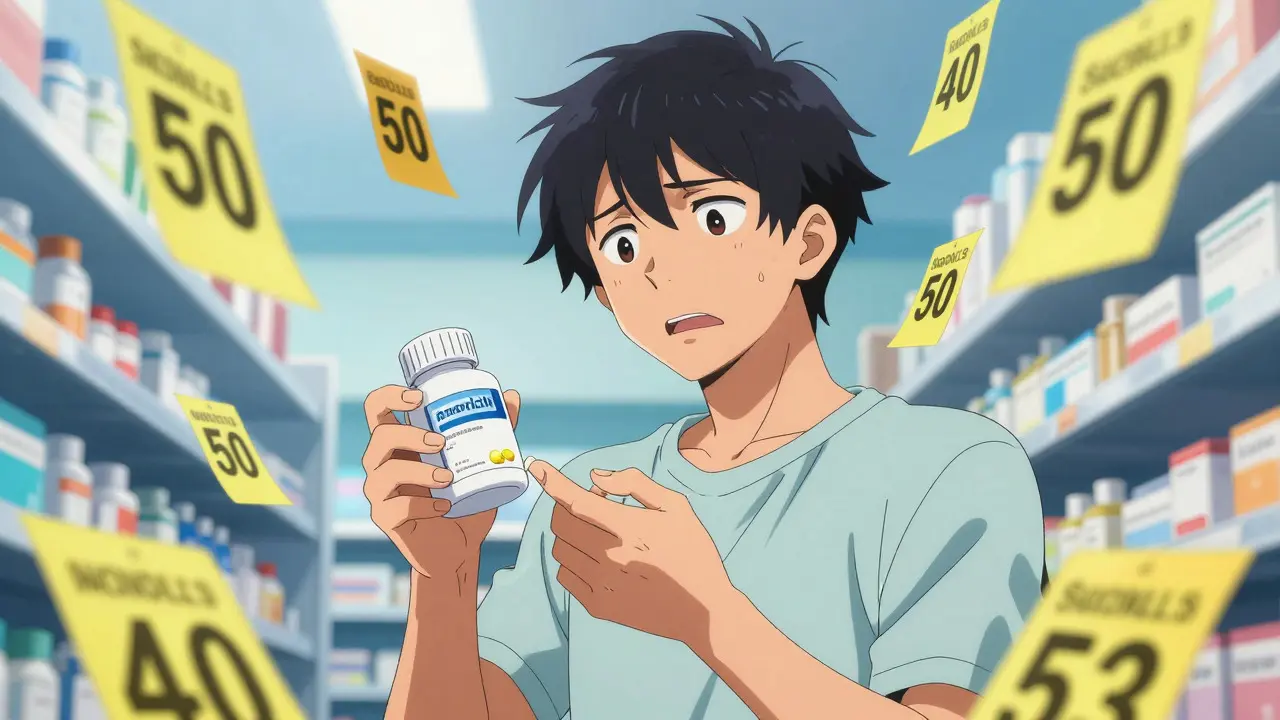
Discover how to buy cheap generic Amoxicillin online in 2026. Compare prices from $4 to $30, learn about safe online pharmacies, and use telehealth services to save on your prescription.
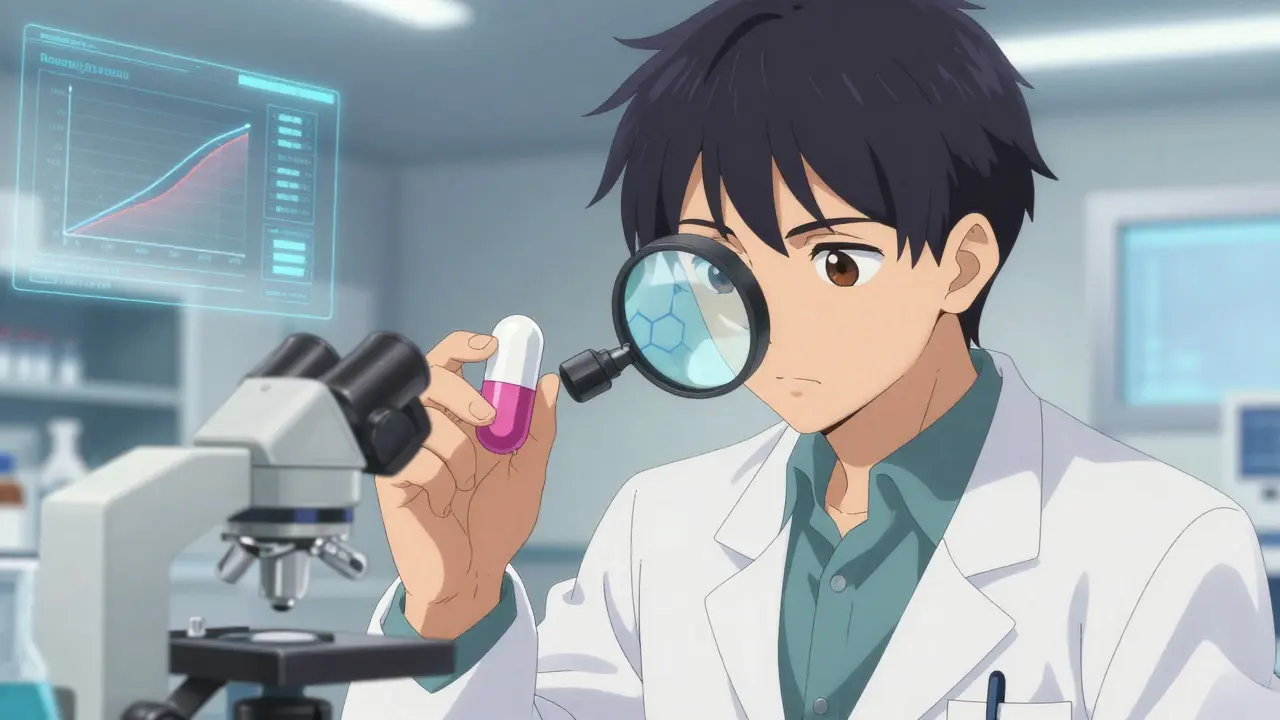
Explore the safety of generic cardiovascular drugs. We analyze bioequivalence standards, real-world outcomes data, and expert opinions on whether generic heart meds are as safe as brand-name options.
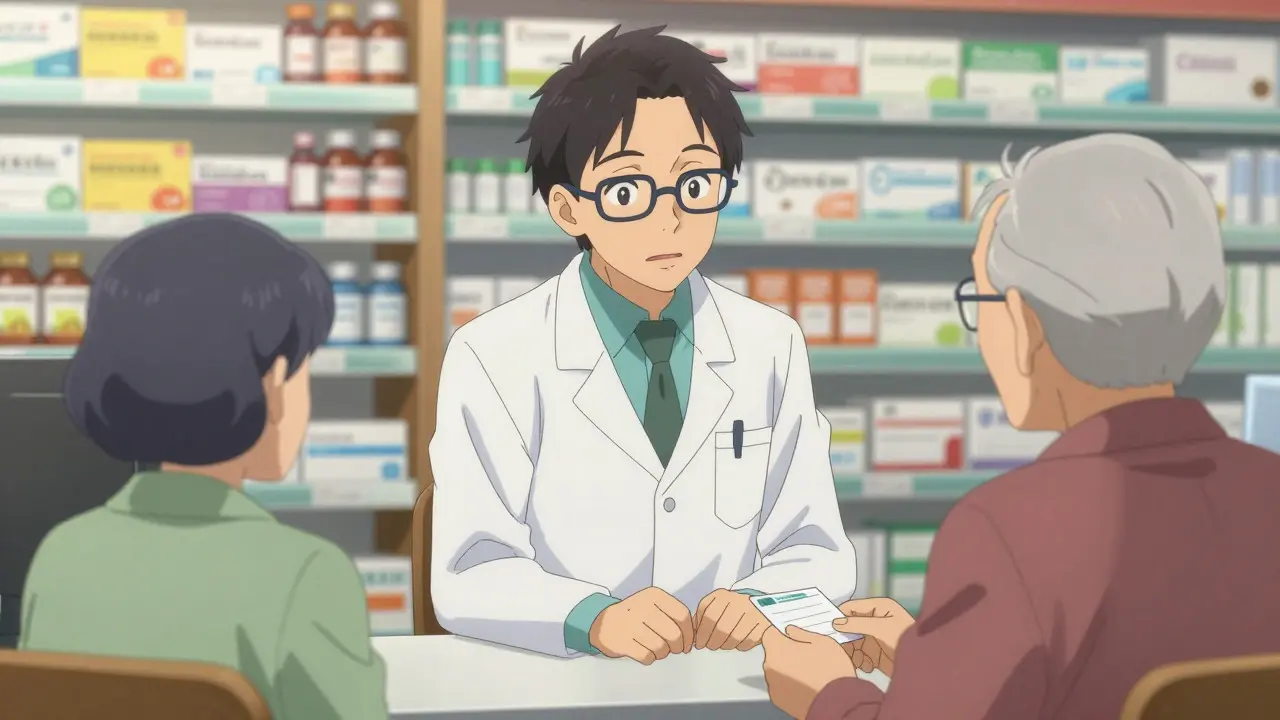
Learn exactly what patient education materials to request from your pharmacist. From OBRA '90 rights to the new 2025 JCPP guidelines, discover how to get customized handouts, visual aids, and cost-saving advice to improve medication adherence.
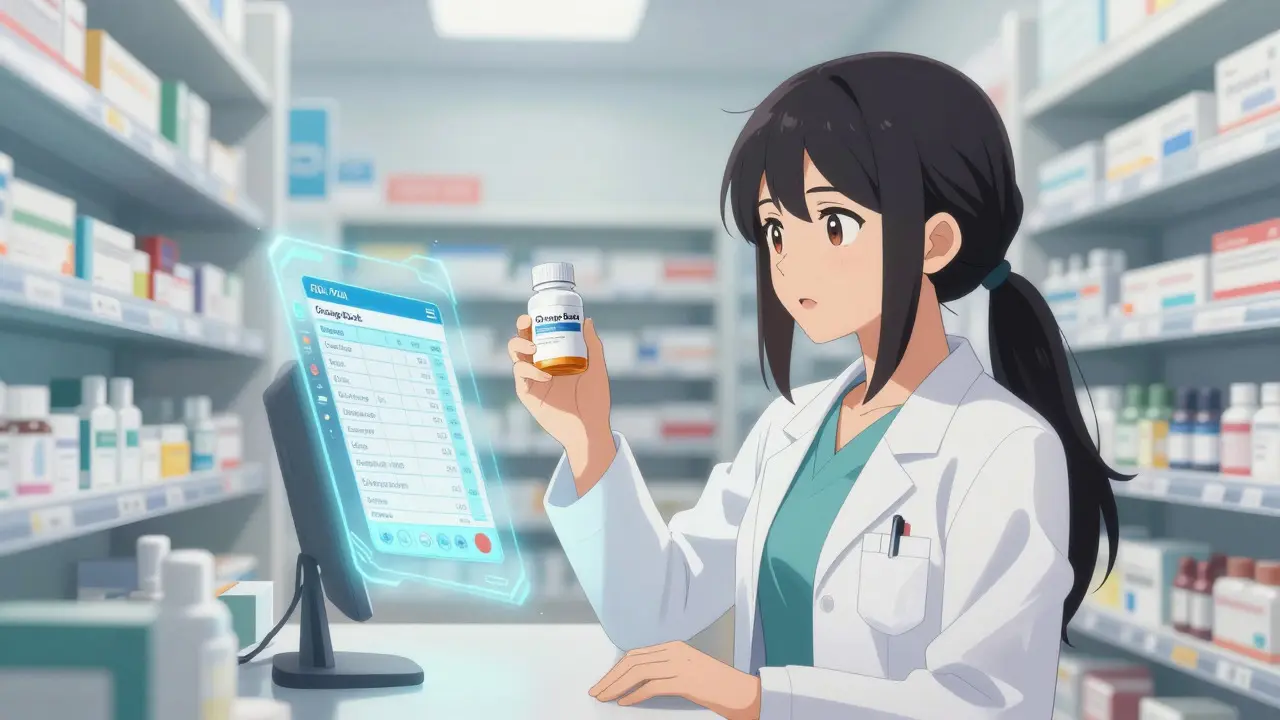
Learn how to verify generic drug equivalence using the FDA Orange Book. This guide explains AB ratings, TE codes, and step-by-step search instructions for patients and professionals.