
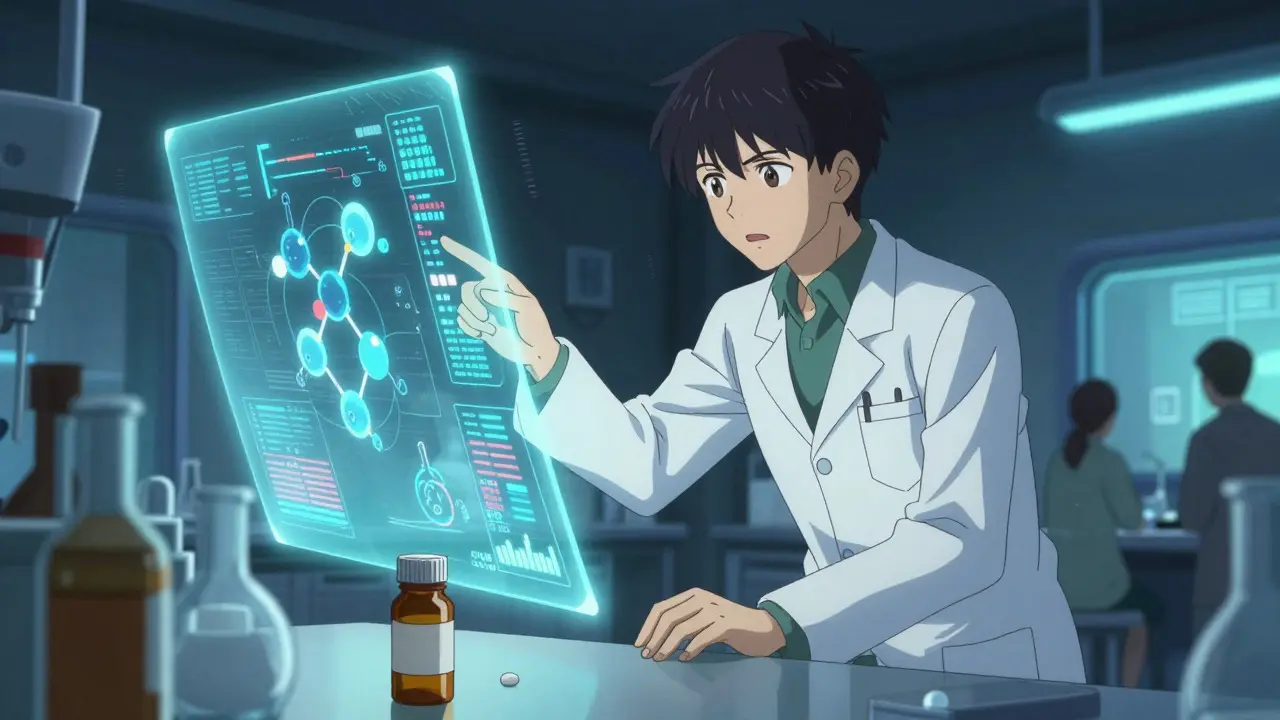
Imagine developing a life-saving treatment for a condition that affects fewer than 200,000 people in the entire United States. The math is brutal. You spend years and hundreds of millions of dollars on clinical trials, only to face a market so small that traditional profit margins seem impossible. This is exactly why orphan drug exclusivity exists. It is a regulatory shield designed to make rare disease development financially viable by granting developers a period of market protection from competitors.
This protection isn't just a nice-to-have; it is the engine behind the massive growth in rare disease therapies over the last four decades. Without it, many of these treatments would never have reached patients. But how does it actually work? And how does it stack up against standard patent rights? Let’s break down the mechanics, the history, and the real-world impact of this critical piece of pharmaceutical law.
The Origin Story: Why Congress Created Orphan Drug Exclusivity
To understand the value of orphan drug exclusivity, you have to look at the landscape before 1983. At that time, there were only 38 approved drugs for rare diseases in the U.S. Pharmaceutical companies viewed rare conditions as commercial dead ends. If a disease affected too few people, the return on investment (ROI) didn't justify the risk of development.
President Ronald Reagan signed the Orphan Drug Act into law on January 4, 1983. This legislation changed the game by offering incentives to encourage development. One of the most powerful incentives was the seven-year market exclusivity period. Since then, the FDA has granted orphan status to over 500 drugs. According to data from IQVIA, this legislative push transformed a stagnant field into a thriving sector, with the number of approved rare disease treatments skyrocketing compared to the decade prior.
How the Seven-Year Protection Works
In the United States, orphan drug exclusivity provides seven years of market protection. This clock starts ticking on the date the FDA approves the marketing application, such as a New Drug Application (NDA) or Biologics License Application (BLA). During this window, the FDA generally will not approve another sponsor's application for the same drug for the same rare disease.
It is crucial to understand that this protection applies to a specific pair: the drug and the disease indication. Regulators often call this the "dyad." If Company A gets approval for Drug X to treat Disease Y, they get the exclusivity for that specific combination. However, if Company B wants to sell Drug X for a different disease, they aren't blocked by Company A's exclusivity. Similarly, if Drug X treats both a rare disease and a common one, generics can enter the market for the common use while the innovator keeps protection for the rare use.
There is a catch, though. What if a competitor has a version of the same drug that works even better? The FDA allows a subsequent entrant to break the exclusivity barrier if they can prove their product is "clinically superior." This means it must offer a substantial therapeutic improvement over the existing approved drug. In practice, this bar is incredibly high. Since 1983, only three documented cases have successfully met this standard. For most sponsors, the seven-year lockout is absolute.
U.S. vs. EU: Comparing Global Standards
If you are looking at global markets, the rules change slightly depending on where you are selling. The European Union operates under a different framework administered by the European Medicines Agency (EMA). Here is how the two systems compare:
| Feature | United States (FDA) | European Union (EMA) |
|---|---|---|
| Standard Duration | 7 years | 10 years |
| Start Date | Date of FDA approval | Date of EU authorization |
| Pediatric Extension | Not applicable to exclusivity length | +2 years if pediatric studies completed |
| Reduction Clause | No reduction mechanism | Can be reduced to 6 years under specific cost-recovery scenarios |
| Clinical Superiority | Allows breaking exclusivity if proven superior | Generally stricter; limited exceptions |
The EU system offers longer protection, which can be attractive for companies planning a global launch. However, the U.S. market remains the largest single revenue generator for pharma, making the seven-year U.S. exclusivity a primary target for most developers.
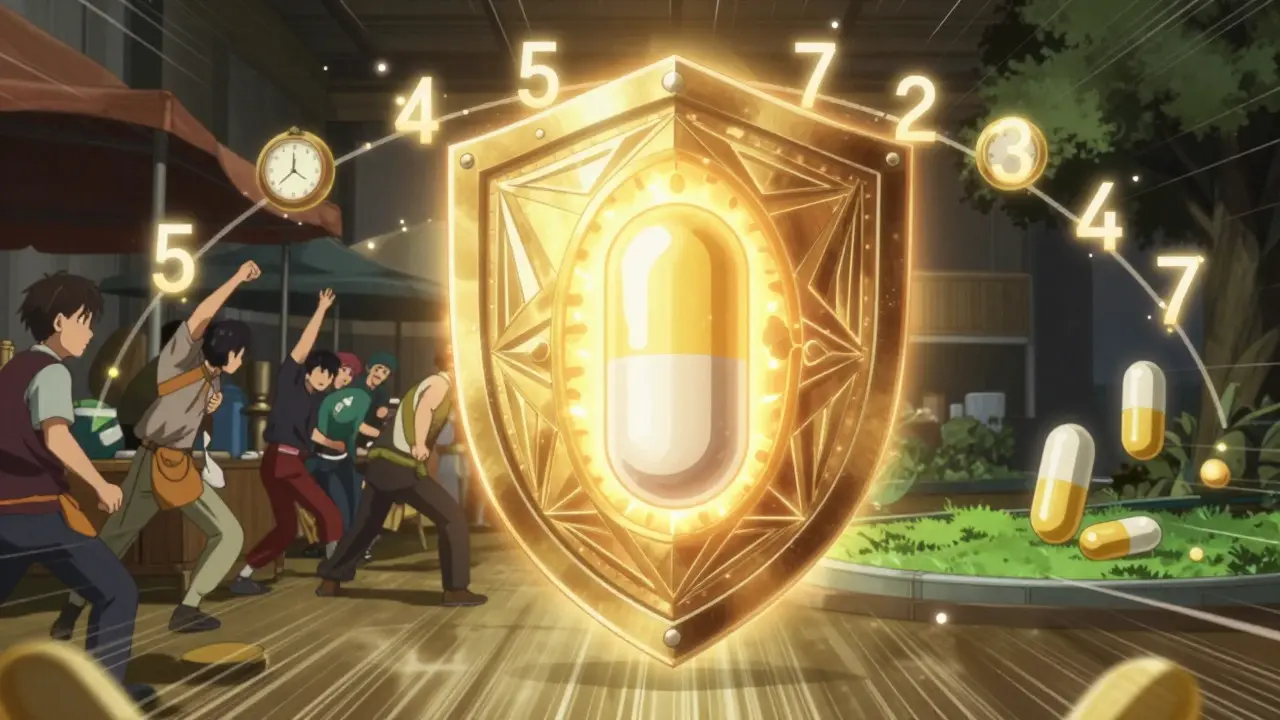
Exclusivity vs. Patents: Which is Stronger?
A common misconception is that orphan exclusivity replaces patents. In reality, they are separate legal tools that often overlap. Patents protect the chemical composition or method of use, typically lasting 20 years from filing. Orphan exclusivity protects the specific market access for a rare indication for seven years after approval.
For many drugs, the patent expires long before the orphan exclusivity ends. In fact, analysis shows that for about 88% of orphan drugs, patent protection remains the dominant form of market exclusion, with orphan exclusivity acting as a secondary layer. However, for some biologics, orphan exclusivity can extend protection beyond the patent life, especially if the competitor files a full standalone application rather than a reference-based one. This makes orphan exclusivity a vital strategic asset, particularly for complex molecules where reverse engineering is difficult.
The Business Case: Why Companies Bet on Rare Diseases
You might wonder why any company would take on the risk of developing for such a small population. The answer lies in the economics created by exclusivity. With no generic competition for seven years, developers can set prices that reflect the high per-patient costs of care and development. While this leads to high price tags, it also ensures that the R&D costs are recovered.
Industry surveys indicate that orphan drug exclusivity is the third most significant incentive for rare disease development, trailing only tax credits and user fee waivers. A senior regulatory affairs manager at a mid-sized biotech recently noted that without the seven-year window, it would be nearly impossible to justify the $150 million development cost for a treatment affecting only 8,000 patients. The exclusivity turns a potentially unprofitable project into a viable business line.
The market reflects this confidence. The global orphan drug market reached $217 billion in sales in 2022. Oncology leads the charge, accounting for nearly 44% of all orphan approvals in the last decade. As more companies enter the space, the number of orphan designations granted by the FDA has surged, rising from 127 in 2010 to 434 in 2022.

Strategic Tips for Sponsors
If you are involved in drug development, timing is everything. The optimal time to submit an orphan designation application is as early as possible, ideally during Phase 1 or early Phase 2 clinical trials. This maximizes the commercial runway. The FDA reviews these applications quickly, usually within 90 days, and the approval rate is high-around 95%-provided the prevalence data clearly shows the disease affects fewer than 200,000 people.
One major pitfall to avoid is the "same drug" determination. If you are trying to enter a market where a similar drug already has exclusivity, you need to be prepared to prove clinical superiority. This is a steep hill to climb. Most successful strategies involve targeting indications where no existing orphan exclusivity exists, or ensuring your molecule is distinct enough to avoid direct comparison hurdles.
Frequently Asked Questions
Does orphan drug exclusivity prevent generics from entering the market?
Yes, but only for the specific rare disease indication for which the exclusivity was granted. If a drug has multiple indications, generics can enter the market for non-orphan uses while the innovator retains protection for the orphan use. Additionally, if a competitor can prove their drug is clinically superior, they may be able to break the exclusivity barrier, though this is rare.
How long is orphan drug exclusivity in the United States?
In the U.S., orphan drug exclusivity lasts for seven years. This period begins on the date the FDA grants final approval to the marketing application (NDA or BLA) for the specific rare disease indication.
What is the difference between orphan exclusivity and patent protection?
Patent protection covers the chemical structure or method of use and typically lasts 20 years from the filing date. Orphan exclusivity is a regulatory benefit that prevents the FDA from approving a competing product for the same rare disease for seven years after approval. They are separate legal mechanisms, and a drug can hold both simultaneously.
Can a company lose its orphan drug exclusivity?
A company can lose exclusivity if a competitor demonstrates that their product is clinically superior to the existing approved drug. This requires proving a substantial therapeutic improvement. Otherwise, the exclusivity remains intact until the seven-year period expires, unless the FDA revokes the orphan designation due to misrepresentation of data.
Why do rare disease drugs cost so much?
High prices are largely driven by the small patient populations and the high costs of research and development. Orphan drug exclusivity allows manufacturers to recoup these investments without immediate generic competition. Because the market is limited, each patient must generate sufficient revenue to cover the total development costs spread across the small group of users.


Lemuel Gomez
August 29, 2026 AT 01:43I have to say, the breakdown of the "dyad" concept here is incredibly helpful; I always get confused about how exclusivity applies when a drug has multiple indications. It makes so much sense now that it's specific to the disease pair rather than just the molecule itself. This nuance is often missed in high-level summaries of pharma law. It really highlights why strategic planning at the early stages is so critical for developers.
Fabian Saldana
August 29, 2026 AT 09:32It is truly inspiring to see how regulatory frameworks can transform an entire medical landscape. The jump from 38 approved drugs to over 500 since 1983 is a testament to human ingenuity and legislative foresight. We should celebrate these mechanisms that turn scientific possibility into patient reality. The future of rare disease treatment looks exceptionally bright with such robust protections in place.
Colin Finch
August 31, 2026 AT 00:03Oh my goodness, did you all catch the part about clinical superiority? It says only three cases in forty years have successfully broken the exclusivity! That is absolutely wild to think about. It basically means if you are first, you are king for seven years, no matter what. The sheer power of that legal shield is almost overwhelming when you look at the numbers.
Owen John
September 1, 2026 AT 16:12One must observe that this system is merely a subsidy for the wealthy few, disguised as public health policy. The true architects of this 'progress' understand that the real value lies not in the patients, but in the data streams they generate. While the masses applaud the 'life-saving' narrative, the elite quietly harvest the genetic profiles of the rare, knowing that the next breakthrough will be sold back to them at a premium. The exclusivity period is simply the time required to extract maximum value before the cycle repeats.
Maneesh kv
September 2, 2026 AT 20:02Great post bro!! 😎 But let me tell u something... the pricing model is still crazy 💸. I mean, 217 billion market size?? That is huge money for small groups of people. In India we struggle with basic access, so seeing these high prices makes us feel left out sometimes 🤷♂️. But hey, progress is progress right? Just wish more companies looked at global health, not just US/EU profits. Keep pushing though! 🔥
John Park
September 3, 2026 AT 13:10The irony is palpable, isn't it? We create a legal vacuum to encourage innovation, yet we end up creating a monopoly that stifles competition in the name of 'care'. It's a classic case of solving one problem by creating two others. The 'clinical superiority' clause is a joke, a relic of a time when science moved faster than bureaucracy. Now, it's just a red herring to keep the big players comfortable while the rest of us watch from the sidelines, wondering if the next miracle is actually just a marketing ploy with a patent attached.
Kathleen McGrath
September 4, 2026 AT 03:22This is such a great explanation! I never knew the EU had a longer protection period. It makes me happy to know there are rules in place to help scientists make new medicines for rare diseases. It feels good to see that hard work pays off for everyone involved. Thanks for sharing this!
Emmanuel Umana
September 4, 2026 AT 09:21The economic logic is sound. Small population, high cost per unit. Without exclusivity, ROI fails. The 7-year window is the bridge between discovery and viability. It is a necessary evil in free-market healthcare. From a developing nation perspective, we envy the infrastructure but critique the pricing. Yet, the mechanism itself is a masterclass in incentive design.
Lilian Binda
September 4, 2026 AT 16:48honestly this whole thing is just rich countries playing favorites again. why do they get special deals? in nigeria we fight for basic drugs and they are giving away 7 year monopolies like candy. its unfair and shows who really matters in global health. stop acting like this helps everyone it just helps the pharma bros make more cash while we wait in line for generic versions that cost half as much anyway.
Betty Childers
September 5, 2026 AT 07:18Love the table comparing US and EU. Super clear. I was curious about the pediatric extension in Europe, seems like a smart way to encourage studies on kids which are often overlooked. Nice read overall, felt very balanced and informative without being too dry.
Amy Zalkin
September 5, 2026 AT 12:39ok so the 'dyad' thing clicked for me after reading this. i used to think if a drug was approved for one rare thing, it was locked down forever for that molecule. turns out its super specific. also the fact that generics can sneak in for the common uses while the rare use stays protected? genius (or sneaky, depending on your view). love how complex this stuff is but also how logical it ends up being once you break it down. thanks for the deep dive!