
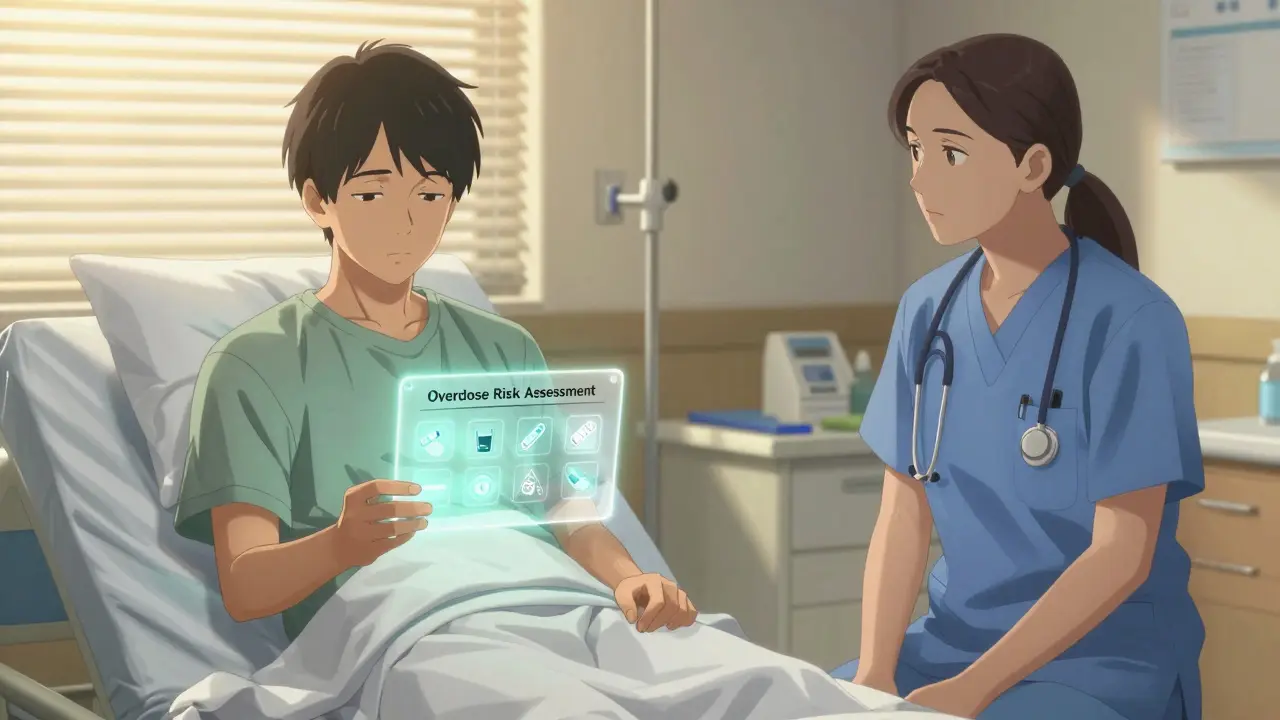
Every year, over 107,000 people in the U.S. die from drug overdoses. Many of these deaths aren’t caused by a single drug - they happen because of drug interactions. Mixing substances like opioids, alcohol, benzodiazepines, or even street drugs can turn a routine dose into a fatal one. The scary part? Most of these deaths are preventable. You don’t need to be a doctor to spot the warning signs. You just need to know what to ask - and what to look for.
Why Some Drug Combinations Are Deadly
Not all drug interactions are the same. Some cause nausea or dizziness. Others shut down your breathing. The most dangerous combinations involve central nervous system (CNS) depressants - drugs that slow down brain activity. This includes opioids (like oxycodone, fentanyl, or heroin), benzodiazepines (like Xanax or Valium), alcohol, sleep aids, and even some muscle relaxers. When these are taken together, they don’t just add up - they multiply. A 2022 study in JAMA Internal Medicine found that combining opioids with benzodiazepines increases the risk of death by more than 10 times. Alcohol mixed with opioids? That raises the chance of respiratory failure by 67%.
It’s not just about prescription meds. Street drugs are often contaminated. What someone thinks is heroin might be laced with fentanyl. Cocaine sold as “crack” might contain xylazine or other deadly additives. A 2023 study from the National Harm Reduction Coalition found that 63% of dangerous interactions involve substances people don’t even realize they’re taking - because they weren’t prescribed.
The 5 Most Dangerous Combinations
Here are the top five combinations that put people at highest risk:
- Opioids + Benzodiazepines - This combo is the leading cause of overdose deaths in clinical settings. Even low doses can be fatal. Many people don’t realize their anxiety medication is a CNS depressant.
- Opioids + Alcohol - A drink or two with painkillers might seem harmless. But alcohol amplifies opioid effects on breathing. One study showed a 67% increase in respiratory depression risk.
- Opioids + Sleep Medications - Drugs like zolpidem (Ambien) or eszopiclone (Lunesta) are often taken with opioids for pain-related insomnia. The combined sedative effect can stop breathing.
- Opioids + Fentanyl-Laced Stimulants - Cocaine or meth sold as “pure” often contains fentanyl. People think they’re boosting energy, but they’re accidentally overdosing.
- Multiple CNS Depressants - Taking three or more of these together - say, oxycodone, Valium, and alcohol - is a recipe for disaster. The risk doesn’t just go up - it explodes.
How Healthcare Providers Check for Risk
Clinicians use structured tools to spot these dangers before they become emergencies. The CDC’s Opioid Risk Tool (ORT) is a 5-question screening used in clinics. It’s quick, takes less than two minutes, and catches 95% of high-risk patients. But it’s not enough to just ask, “Are you taking other medications?” That’s too vague.
Instead, providers trained in harm reduction use phrases like:
- “Do you ever take medicines not prescribed to you?”
- “Have you used any drugs in the last week that weren’t given to you by a doctor?”
- “Do you ever take something to help you sleep, calm down, or get high - even once in a while?”
These questions work because they reduce shame. A 2022 study in Addiction found that changing the wording increased honest answers by 52%. Patients who feel judged hide their use. Those who feel heard tell the truth.
Many clinics now use urine drug testing to verify what patients say. But even that misses things. One ER nurse shared on Reddit that in 217 overdose cases, 82% of patients denied using benzodiazepines - until after naloxone was given. Then they admitted it.
Digital Tools: Helpful, But Not Enough
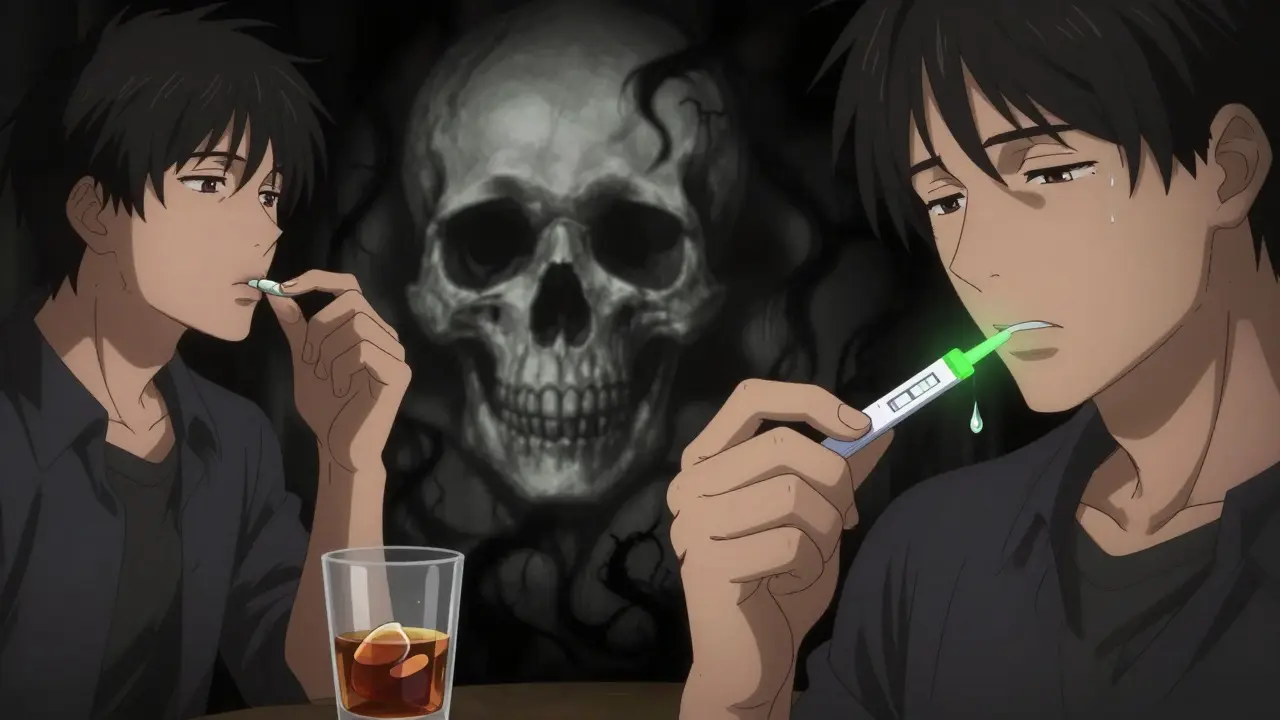
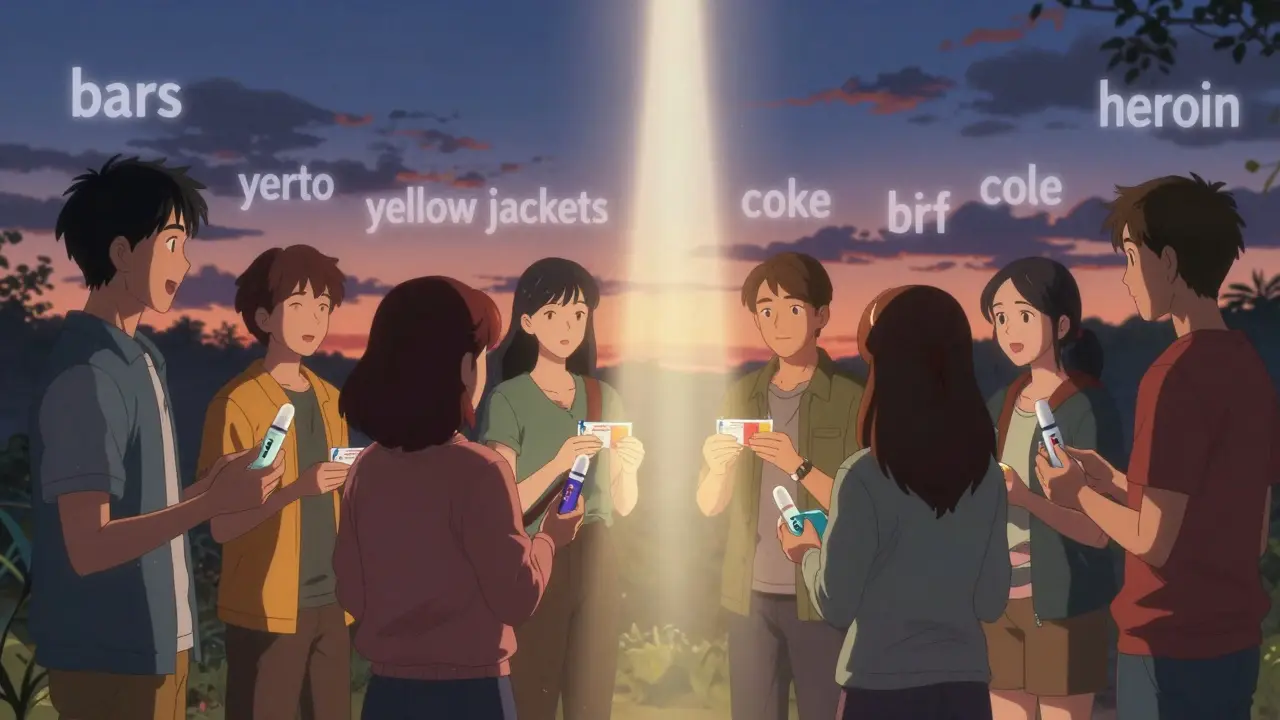
Apps like the FDA’s Drug Interaction Checker or Medscape’s tool are useful. They track over 1,200 prescription and OTC drugs. But they have a huge blind spot: they don’t know about street drugs. You can’t type “fentanyl-laced coke” into a database. And if someone doesn’t know the generic name of their Xanax - or if they call it “bars” or “benzos” - the app won’t catch it.
A 2022 BMJ study found digital tools identify only 76% of dangerous interactions based on patient reports. That means nearly a quarter slip through. Worse, 78% of dangerous interactions involving fentanyl analogs go undetected by these tools because they’re not yet in the databases.
That’s why harm reduction groups created the Overdose Risk Assessment Card. Instead of asking for drug names, it shows pictures and street terms: “Do you use any of these in the last week?” with icons for heroin, fentanyl, Xanax, alcohol, meth, etc. This method catches 94% of risky combinations - far more than apps alone.
What You Can Do Right Now
You don’t need a prescription or a clinic visit to protect yourself or someone you care about. Here’s what works:
- Know the signs of overdose - Blue lips, slow or stopped breathing, unresponsiveness, snoring or gurgling sounds. These mean call 911 immediately - and give naloxone if you have it.
- Ask the right questions - If you or someone you know is using opioids, ask: “Have you taken anything else lately? Even one pill? A drink? Something not prescribed?” Don’t assume they know the risks.
- Use the free Overdose Risk Self-Check - The National Harm Reduction Coalition offers a 10-question tool online in 12 languages. It’s based on CDC guidelines and has 88% accuracy. Answer honestly - it’s not judgment, it’s safety.
- Carry naloxone - It’s safe, easy to use, and reverses opioid overdoses. You can get it without a prescription in most states. Ask your pharmacist.
- Check for contamination - If you use street drugs, test them. Fentanyl test strips cost less than $1 each. They’re not foolproof, but they can save your life.
Why This Matters Now
In 2024, the FDA updated its drug interaction checker to include 47 new fentanyl analogs and 12 synthetic opioids detected in the U.S. supply. That’s progress. But technology alone won’t fix this. The real breakthrough is in how we talk about it.
A 2023 survey by SAMHSA found that 68% of people prescribed opioids were never asked about alcohol or benzodiazepine use. That’s not negligence - it’s systemic. Most providers are trained to look at prescriptions, not behavior. But overdose doesn’t care about prescriptions. It cares about what’s in your body.
The most effective approach combines tools with trust. A doctor asking, “Have you ever used something to help you sleep?” with genuine concern - not judgment - gets more honest answers than a 50-page form. That’s why 63% of U.S. hospitals now include questions about non-prescribed substances in their overdose risk assessments - up from just 22% in 2019.
Final Thought: Prevention Starts With a Conversation
Overdose isn’t always about addiction. Sometimes, it’s about ignorance. Someone takes a painkiller after a week without using - their tolerance drops by 30-50%. They don’t know. Someone mixes a sleeping pill with their opioid because they’re in pain and can’t sleep. They don’t realize it’s dangerous. A person takes a “party drug” thinking it’s MDMA, but it’s fentanyl. They have no idea.
You can’t control what’s in the drug supply. But you can control how you talk about it. Ask. Listen. Don’t assume. Share the free self-check tool. Carry naloxone. Help someone else do the same. Because 90% of these deaths are preventable - not with magic pills, but with simple, honest questions.

Philip Blankenship
February 16, 2026 AT 00:50Oliver Calvert
February 16, 2026 AT 16:16Haley DeWitt
February 18, 2026 AT 11:15Geoff Forbes
February 19, 2026 AT 11:59Jonathan Ruth
February 19, 2026 AT 18:29Kancharla Pavan
February 20, 2026 AT 08:10Dennis Santarinala
February 21, 2026 AT 17:19Tony Shuman
February 22, 2026 AT 12:53PRITAM BIJAPUR
February 24, 2026 AT 09:46