
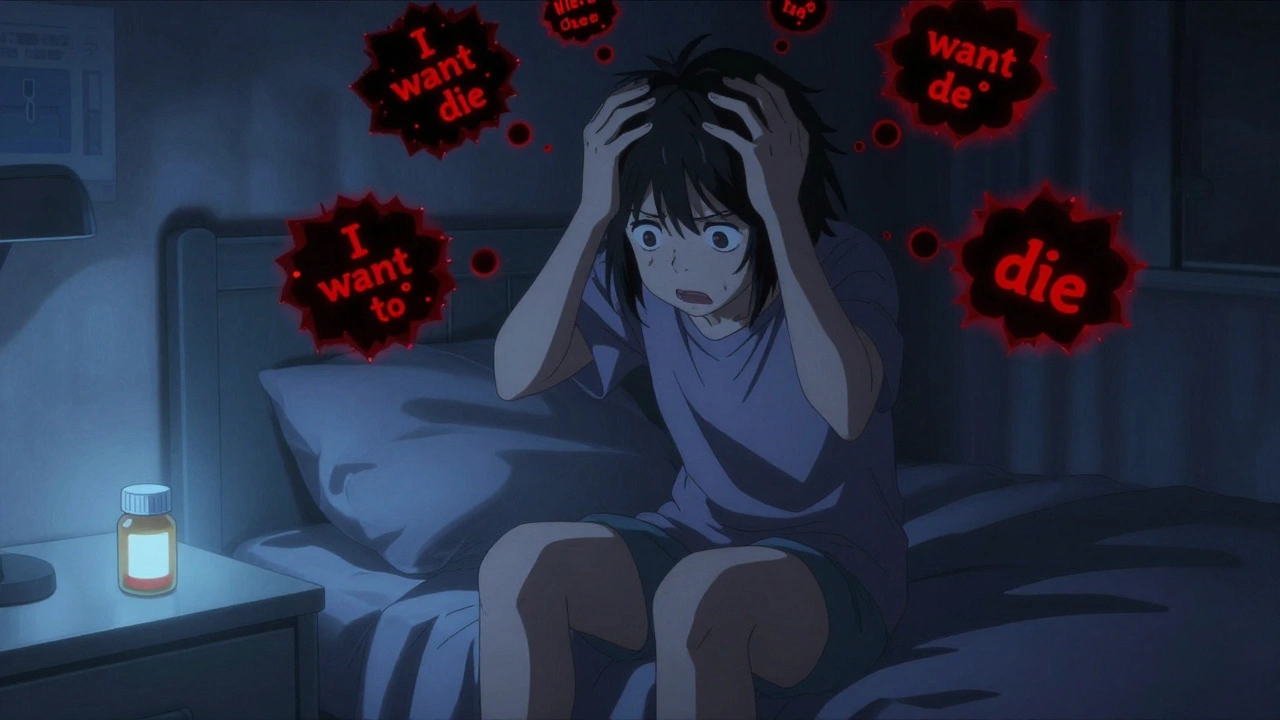
Medication Safety Checker
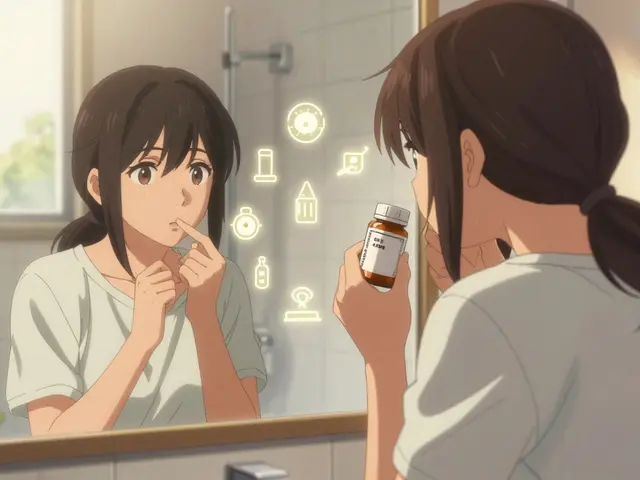
This tool helps you identify if you're experiencing key warning signs of medication-related suicidal thoughts. If you're taking any new medication, especially antidepressants, and experiencing these symptoms within the first few weeks, contact your healthcare provider immediately.
It’s not uncommon to hear that antidepressants help people feel better. But what if they make things worse-before they get better? For some, especially young adults, starting a new medication can trigger sudden and terrifying thoughts of self-harm. These aren’t just side effects. They’re medication-related suicidal thoughts and behaviors, a rare but real danger that often shows up within days of starting treatment.
What Exactly Is Happening?
This isn’t about depression getting worse. It’s about something new and disturbing showing up: sudden restlessness, intrusive thoughts that feel foreign, and an overwhelming urge to act-even if you don’t want to. These symptoms are part of what doctors call the activation syndrome. It’s not depression. It’s agitation. It’s panic. It’s a mind that’s wired too tightly, too fast. The most common trigger? Antidepressants. Especially SSRIs like fluoxetine or SNRIs like duloxetine. But it’s not just psychiatric drugs. Antibiotics like doxycycline, even painkillers like piroxicam, have been linked to sudden suicidal urges in rare cases. The FDA first flagged this in 2004 after reviewing data from thousands of young patients. By 2007, they required a black box warning on all antidepressants: increased risk of suicidal thinking and behavior in children, adolescents, and young adults under 25.The Three Red Flags You Can’t Ignore
Most people who develop these reactions don’t suddenly try to end their lives. There are warning signs-clear, observable ones-that show up before the crisis. Pay attention to these three:- Severe restlessness (akathisia): You can’t sit still. You pace. You fidget. You feel like your nerves are buzzing under your skin. This isn’t anxiety. It’s a physical urge to move that won’t go away. Studies show it’s present in over half of all medication-triggered suicide cases.
- Ego-dystonic thoughts: You think, “I want to die,” but you don’t believe it. It feels like someone else is whispering it in your head. These thoughts are alien, unwanted, and terrifying because they contradict everything you feel about yourself.
- Sudden impulsiveness: You make rash decisions. You text someone you haven’t spoken to in years. You buy a sharp object. You say things like, “I can’t do this anymore,” without meaning it-until you do. When impulsivity meets depression, the risk spikes.
When Does It Happen?
Timing matters. Most cases don’t show up after months. They show up fast. - 78% of medication-related suicidal events happen within the first 28 days of starting treatment or changing the dose. - The highest risk window? Days 3 to 14. - Aggressive dosing-jumping from 10mg to 40mg in a week-doubles the risk. This isn’t about the drug working too slowly. It’s about the brain being overwhelmed before it can adapt. Some patients report feeling worse on day 5 than they did before starting the medication. That’s not a fluke. It’s a pattern.
Who’s Most at Risk?
Not everyone reacts the same. Certain factors make these reactions more likely:- Age: People between 18 and 24 are 2.3 times more likely to experience this than those over 25.
- History of suicide attempts: If you’ve tried before, your risk goes up by nearly 50%.
- Family history of suicide: A close relative who died by suicide adds a 32% higher risk.
- Anxiety disorders: If you have panic attacks or OCD alongside depression, your risk jumps 58%.
- Rapid dose increases: Jumping up your dose too fast increases risk by 63%.
What Should You Do If You Notice These Signs?
Don’t wait. Don’t hope it passes. Don’t assume it’s just “adjusting.”- Call your prescriber immediately. Tell them exactly what you’re feeling: the restlessness, the intrusive thoughts, the urge to act. Don’t sugarcoat it.
- Don’t stop the medication on your own. Some drugs, especially antidepressants, can cause dangerous withdrawal if stopped suddenly. But don’t wait either. Ask: “Can we lower the dose? Switch to something else?”
- Use the Columbia-Suicide Severity Rating Scale (C-SSRS). It’s a simple tool your doctor should be using at every visit in the first month. If they aren’t, ask for it.
- Have a safety plan. Write down: Who to call? Where to go? What to say? Keep it on your phone and in your wallet. Studies show this cuts hospitalizations by 41%.
What About the Benefits?
Yes, antidepressants save lives. For many, they’re the only thing that brings relief. But that doesn’t mean the risk is imaginary. The FDA’s warning isn’t about avoiding treatment. It’s about treating smarter. Start low. Go slow. Monitor closely. Talk openly. That’s the standard. And yet, only 68% of doctors document discussing these risks with patients during informed consent, according to a 2022 audit. If your doctor doesn’t bring it up, ask: “What are the warning signs I should watch for in the first few weeks?”New Tools Are Coming
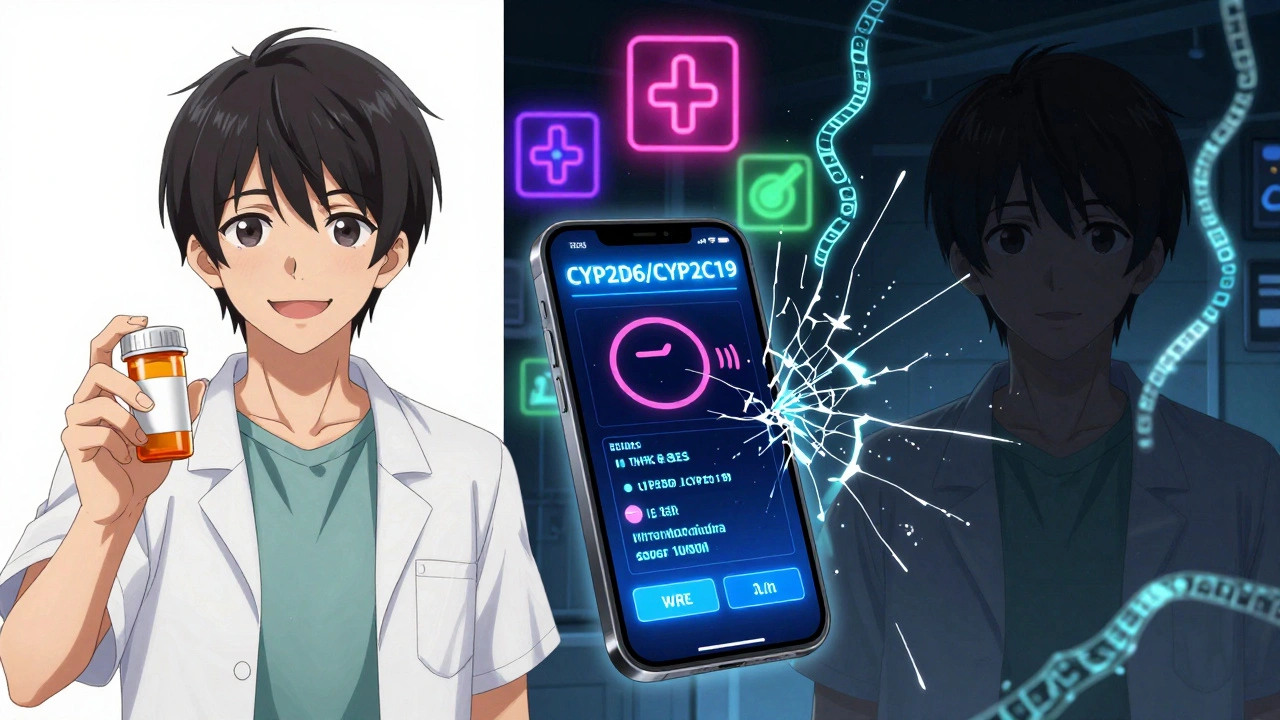
Science is catching up. In 2023, researchers found that genetic tests for CYP2D6 and CYP2C19 enzymes can predict who’s likely to have this reaction with 68% accuracy. Smartphones can now detect changes in sleep, voice tone, and social activity that signal rising risk-79% accurate in early trials. By 2025, the FDA plans to require all new antidepressants to include activation syndrome screening in clinical trials. AI systems are already being tested in hospitals to flag high-risk patients before they’re even prescribed. But none of that helps if you don’t know what to look for.You’re Not Alone
This isn’t weakness. It’s biology. Thousands of people have felt the same panic-thoughts they didn’t ask for, urges they didn’t choose. And most of them got better once the drug was stopped or changed. If you’re on medication and you’re feeling this way, you’re not broken. You’re reacting. And you have the right to speak up. To ask for help. To change course. Your life matters more than any prescription. And there’s always another option.Can antidepressants really cause suicidal thoughts?
Yes. While antidepressants help many people, they can trigger sudden suicidal thoughts or urges in a small but significant number of patients-especially those under 25. This is most common in the first 1-4 weeks of treatment or after a dose increase. The FDA has required black box warnings on all antidepressants since 2007 because of confirmed cases linked to these medications.
What are the most common warning signs?
The top three signs are: severe restlessness (akathisia), intrusive suicidal thoughts that feel alien to your normal self (ego-dystonic), and sudden impulsiveness. These often appear together and are different from worsening depression. They’re signs your nervous system is overstimulated by the medication, not that your condition is getting worse.
How soon after starting a drug do these symptoms appear?
In 78% of cases, symptoms appear within the first 28 days. The highest risk window is days 3 to 14. Some people report feeling worse within just a few days, especially if the dose was increased quickly. This is why the FDA recommends weekly check-ins during the first month of treatment.
Are only antidepressants linked to this risk?
No. While antidepressants are the most common, other medications like doxycycline (an antibiotic), piroxicam (a painkiller), and even some cancer drugs have been linked to sudden suicidal urges. These may work by affecting brain chemistry indirectly-through inflammation, gut-brain pathways, or enzyme interference. The risk is lower, but it’s real and often overlooked.
What should I do if I notice these signs?
Don’t stop the medication abruptly. Contact your doctor immediately. Describe exactly what you’re feeling: restlessness, intrusive thoughts, or sudden urges. Ask if the dose can be lowered or if switching drugs is an option. Use a safety plan-write down emergency contacts, coping strategies, and a safe place to go. In 87% of cases, symptoms resolve after stopping the drug.
Is this risk higher for young people?
Yes. People aged 18 to 24 have 2.3 times the risk compared to those over 25. This is why black box warnings specifically target this age group. The developing brain is more sensitive to sudden changes in serotonin and norepinephrine levels. But adults of any age can experience this reaction, especially with rapid dosing or a history of impulsivity.
Can this be prevented?
Yes. Starting with a low dose and increasing slowly reduces risk by more than half. Regular check-ins with your doctor using tools like the C-SSRS can catch early signs. Educating patients about warning signs before starting treatment is critical-but only 68% of doctors do this consistently. If your provider doesn’t mention it, ask. Your awareness can save your life.
How common is this reaction?
It’s rare but serious. Between 1% and 4% of patients under 24 taking antidepressants experience medication-related suicidal thoughts or behaviors. That means 96-99% don’t. But for those affected, the consequences can be life-threatening. Because many cases go unreported, the true number may be higher. The key is knowing the signs so you can act fast.
Do I have to stay on the medication if I feel worse?
No. Feeling worse in the first few weeks isn’t a sign the drug is working-it’s a sign your body is reacting badly. Many people recover fully after stopping or switching medications. Your doctor should never pressure you to keep taking something that makes you feel unsafe. You have the right to ask for alternatives, lower doses, or a pause in treatment.
What if my doctor doesn’t believe me?
If your concerns are dismissed, seek a second opinion. This reaction is well-documented in medical literature and recognized by the FDA, WHO, and major psychiatric associations. You’re not overreacting. You’re noticing a real, measurable phenomenon. Bring printouts of the FDA’s warning, studies on akathisia, or the C-SSRS tool. If your doctor won’t listen, find one who will. Your safety comes first.


Sarah Clifford
December 9, 2025 AT 15:43Queenie Chan
December 11, 2025 AT 07:20Jack Appleby
December 13, 2025 AT 04:56Michelle Edwards
December 14, 2025 AT 04:12Rebecca Dong
December 16, 2025 AT 01:13Regan Mears
December 16, 2025 AT 23:24Aileen Ferris
December 17, 2025 AT 13:41Frank Nouwens
December 18, 2025 AT 09:45Ben Greening
December 19, 2025 AT 12:57Stephanie Maillet
December 19, 2025 AT 13:09Kaitlynn nail
December 20, 2025 AT 01:08Nikki Smellie
December 20, 2025 AT 12:32