

Imagine waking up to find your shirt stained with milk, despite not being pregnant or breastfeeding. It’s confusing, embarrassing, and frankly, a bit scary. This condition is called galactorrhea, defined as spontaneous milky nipple discharge in individuals who are not pregnant or lactating. While it affects roughly 20-25% of women at some point in their lives, most people don’t talk about it until they hit the doctor’s office. The good news? It’s usually treatable. The bad news? Ignoring it can lead to bigger issues like infertility.
Galactorrhea isn’t a disease itself; it’s a symptom. Think of it as a check-engine light for your endocrine system. Most often, it signals that your body is producing too much prolactin, a hormone responsible for milk production in the breasts. When levels get too high-a condition known as hyperprolactinemia-your body gets confused. It thinks you’re nursing a baby, even if you aren’t. This hormonal imbalance doesn’t just cause leakage; it disrupts your menstrual cycle and ovulation, making it hard to get pregnant.
Understanding the Root Cause: Why Is This Happening?
To fix the problem, we first need to find the trigger. Prolactin is controlled by another hormone called dopamine, which acts like a brake pedal. If dopamine levels drop, or if something blocks its signal, prolactin speeds up. Here are the most common culprits behind elevated prolactin levels:
- Pituitary Tumors (Prolactinomas): These are benign growths on the pituitary gland at the base of your brain. They secrete excess prolactin directly into your bloodstream. Microprolactinomas (smaller than 10 mm) are the most common cause of persistent galactorrhea.
- Medications: Certain drugs interfere with dopamine. Antipsychotics, antidepressants (like SSRIs), and some blood pressure medications are frequent offenders. If you started a new med recently, this could be why.
- Hypothyroidism: An underactive thyroid produces less thyroid hormone, which triggers the pituitary gland to release more thyrotropin-releasing hormone (TRH). TRH stimulates prolactin production as a side effect.
- Chronic Kidney Disease: Your kidneys help clear prolactin from your blood. If they aren’t working efficiently, prolactin builds up.
- Idiopathic Causes: In about 35% of cases, doctors can’t find a specific cause. This is called idiopathic galactorrhea. Sometimes, these cases resolve on their own within a year.
It’s also worth noting that stress plays a role. A stressful blood draw can artificially spike prolactin levels by 10-20 ng/mL. That’s why doctors often repeat tests if the results are borderline. Normal prolactin levels for non-pregnant women range from 2.8 to 29.2 ng/mL. Anything consistently above 25 ng/mL warrants investigation.
The Fertility Connection: How High Prolactin Stops Ovulation
You might wonder, "Why does milk matter for pregnancy?" It matters because prolactin and reproductive hormones are rivals. When prolactin is high, it suppresses gonadotropin-releasing hormone (GnRH) from the hypothalamus. Without GnRH, your pituitary gland stops releasing follicle-stimulating hormone (FSH) and luteinizing hormone (LH). These two hormones are essential for growing eggs and triggering ovulation.
The result? Amenorrhea (missing periods) or oligomenorrhea (infrequent periods). If you aren’t ovulating, you can’t get pregnant. Dr. Richard S. Legro from Penn State College of Medicine notes that dopamine agonists can restore ovulation in 80-90% of women with hyperprolactinemic amenorrhea. This means treating the prolactin issue often solves the infertility problem without needing IVF or other aggressive interventions.
If you’ve been trying to conceive for over a year (or six months if you’re over 35) and have irregular periods, checking your prolactin level should be one of the first steps. It’s a simple blood test that can save you months of unnecessary worry.
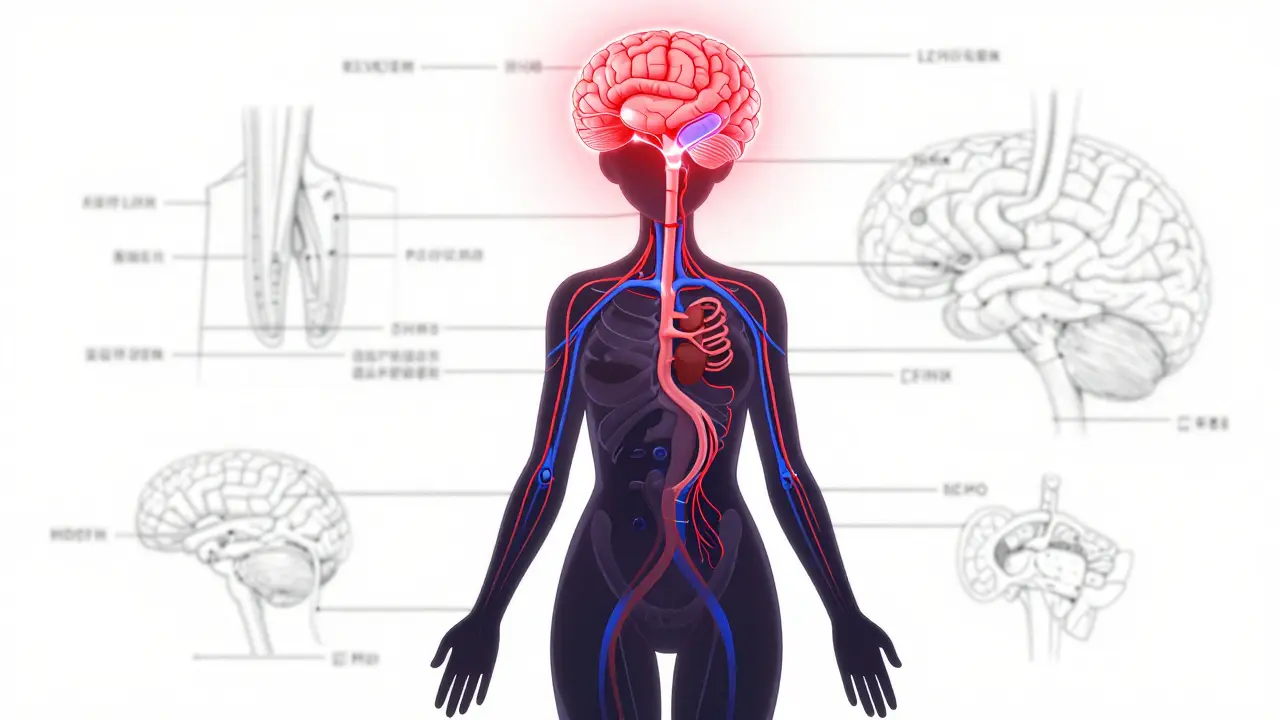
Diagnosis: What to Expect at the Doctor
Walking into a clinic for nipple discharge can feel awkward, but doctors see this all the time. Here’s the standard diagnostic path:
- Blood Tests: You’ll likely get a panel including prolactin, TSH (thyroid), and renal function tests. If your prolactin is mildly elevated, they may ask you to avoid breast stimulation and manage stress before retesting.
- Pregnancy Test: Always rule out pregnancy first, even if you think it’s impossible. Early pregnancy is the most common cause of high prolactin.
- MRI Scan: If your prolactin level exceeds 100 ng/mL, an MRI of the brain is usually recommended. This helps detect pituitary adenomas. For levels between 25-100 ng/mL, an MRI might be optional depending on your symptoms.
- Medication Review: Bring a list of everything you take, including supplements. Your doctor will check if any are causing the spike.
One critical distinction: Galactorrhea is typically bilateral (both breasts) and milky. If you have unilateral (one-sided) bloody or clear discharge, that’s different. Bloody discharge can signal ductal carcinoma in situ or other breast conditions. In those cases, immediate imaging like a mammogram or ultrasound is required to rule out cancer.
Treatment Options: Medications and Lifestyle Changes
Once the cause is identified, treatment focuses on lowering prolactin levels. The gold standard involves dopamine agonists-medications that mimic dopamine’s effect on the pituitary gland.
| Feature | Cabergoline (Dostinex) | Bromocriptine (Parlodel) |
|---|---|---|
| Dosing Frequency | Twice weekly (e.g., Monday/Thursday) | Daily |
| Typical Dose | 0.25-1 mg per dose | 1.25-2.5 mg per day |
| Efficacy (Normalization in 3 Months) | 83% | 76% |
| Common Side Effects | Nausea (10-15%), headache, dizziness | Nausea (25-30%), vomiting, fatigue |
| Cost (Monthly US Estimate) | $300-$400 | $50-$100 |
| Fertility Restoration | Highly effective | Highly effective |
Cabergoline has become the preferred choice for many patients and doctors. It’s taken only twice a week, which makes adherence easier. Clinical trials show it normalizes prolactin levels faster and with fewer gastrointestinal side effects than bromocriptine. However, it’s more expensive. Insurance coverage varies, so check with your provider.
Bromocriptine is older and cheaper. It works well but requires daily dosing and often causes significant nausea. Many patients find taking it at bedtime with a small snack helps manage the stomach upset. Some still struggle with it and switch to cabergoline.
In 2025, the FDA approved an extended-release formulation of cabergoline (Cabergoline ER), allowing once-weekly dosing. Early data suggests slightly higher efficacy (89% at 6 months) compared to standard cabergoline. This could be a game-changer for patients who forget doses or dislike frequent medication schedules.

Managing Side Effects and Long-Term Outlook
No medication is perfect. Even with cabergoline, about 10-15% of users experience nausea. Starting with a low dose (0.25 mg) and gradually increasing it helps your body adjust. Taking the pill with food also reduces stomach irritation.
For those with prolactinomas, the goal isn’t just stopping the discharge-it’s shrinking the tumor. About 90% of microprolactinomas shrink significantly within six months of starting dopamine agonist therapy. Large tumors (macroadenomas) may take longer but often respond well too. Regular MRIs monitor progress.
What if medication doesn’t work? Surgery (transsphenoidal surgery) is an option for tumors resistant to drugs or causing severe vision problems. Radiation therapy is rarely used today due to long-term risks. For idiopathic galactorrhea, some patients choose watchful waiting. Up to 30% of these cases resolve spontaneously within a year without intervention.
If your galactorrhea is caused by another medication, switching drugs might solve the issue. For example, swapping an SSRI antidepressant for bupropion (which doesn’t raise prolactin) can stop the discharge. Never change meds without talking to your doctor, though.
Living with Galactorrhea: Practical Tips
While you wait for treatment to kick in, here are some practical tips to manage the embarrassment and discomfort:
- Use Nursing Pads: Disposable or reusable pads keep your clothes dry. Change them regularly to prevent skin irritation.
- Avoid Breast Stimulation: Frequent touching or pumping can stimulate more prolactin release. Keep exams minimal unless medically necessary.
- Wear Supportive Bras: A well-fitted bra reduces movement and friction, which can trigger leakage.
- Manage Stress: Since stress raises prolactin, practices like yoga, meditation, or deep breathing can help lower levels naturally.
- Track Your Cycle: Use an app to monitor your periods. Returning regular cycles are a sign that treatment is working.
Remember, you’re not alone. Thousands of women deal with this every year. With proper diagnosis and treatment, most people see their symptoms disappear within weeks to months. Fertility returns, periods regulate, and life goes back to normal.
How long does it take for galactorrhea to stop after starting medication?
Most patients notice a reduction in discharge within 2 to 4 weeks of starting dopamine agonists like cabergoline. Complete resolution typically occurs within 3 months. If you don’t see improvement after 3 months, consult your doctor to adjust the dose or investigate other causes.
Can galactorrhea go away on its own without treatment?
Yes, in about 30% of cases labeled as idiopathic (unknown cause), galactorrhea resolves spontaneously within 12 months. However, if you have missed periods or are trying to conceive, waiting is not recommended. Treatment can restore fertility faster.
Is galactorrhea dangerous?
Galactorrhea itself is not life-threatening. However, it indicates an underlying hormonal imbalance that needs attention. Untreated hyperprolactinemia can lead to osteoporosis (due to low estrogen), infertility, and depression. Rarely, large pituitary tumors can affect vision.
Does insurance cover cabergoline?
Coverage varies by plan. Many insurers require prior authorization or proof that cheaper alternatives like bromocriptine failed. Patient assistance programs from manufacturers can also help reduce costs. Check with your pharmacy and insurance provider for specific details.
Can I breastfeed if I have a history of galactorrhea?
Yes, most women with treated galactorrhea can breastfeed normally after pregnancy. Once you stop dopamine agonists during pregnancy (as advised by your doctor), your body will produce prolactin naturally for lactation. Discuss your medication plan with your obstetrician early in pregnancy.