
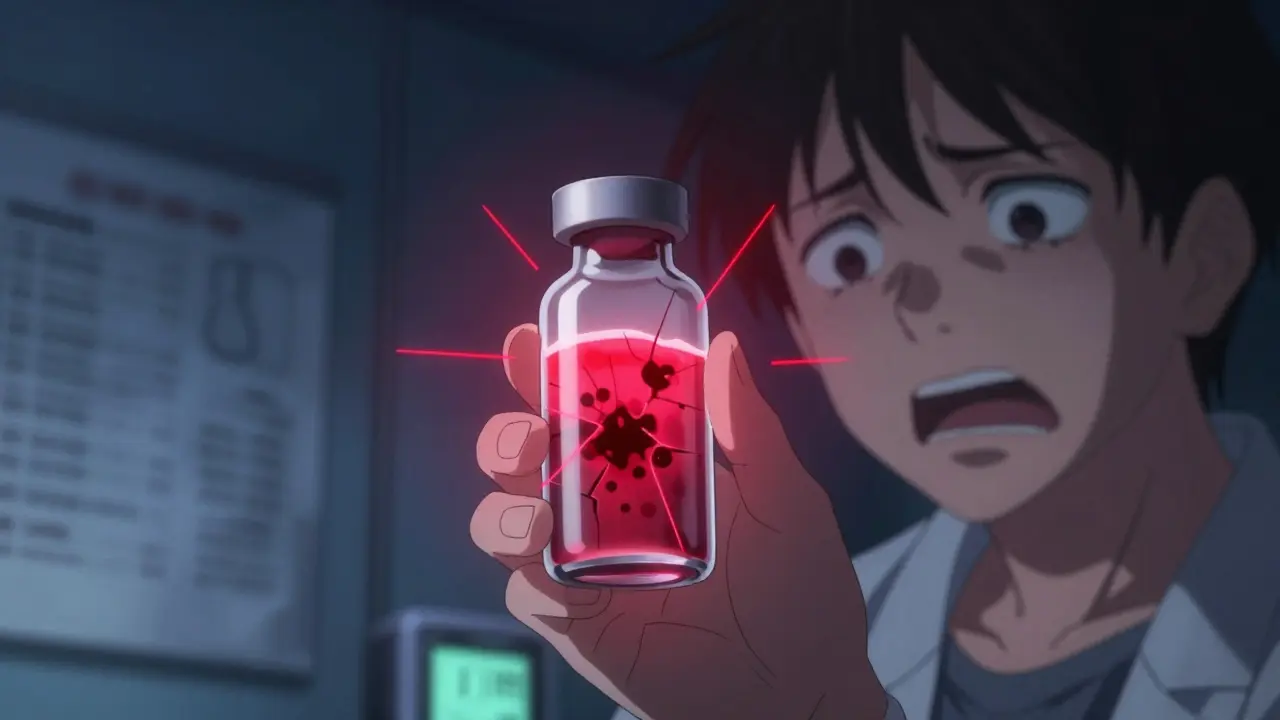
Most people think if a pill still looks fine, it’s probably safe to take-even after the date on the bottle. But that’s not true for everything. Some medications don’t just lose their power after expiration. They become dangerous. And using them could cost you more than money-it could cost you your health.
Why expiration dates matter more than you think
Expiration dates aren’t just marketing tricks or ways for drug companies to push you to buy more. They’re based on real science. The FDA requires every prescription and over-the-counter drug to have an expiration date that guarantees it will work as intended and stay safe up to that point. That date comes from stability testing under controlled conditions-heat, humidity, light, and all. Once that date passes, the manufacturer can no longer promise the drug will work properly. But here’s the twist: a 2020 FDA study found that 90% of tested drugs remained stable and effective for years past their expiration date-if stored perfectly. That’s why some people think, “Why throw it out?” But that study didn’t test everything. And the drugs that do become risky after expiration? They’re not the ones you want to gamble with.Insulin: A silent killer when expired
If you or someone you love uses insulin, this is non-negotiable. Insulin breaks down quickly after its expiration date. It doesn’t just get weaker-it forms clumps of protein that your body can’t absorb properly. Research from the Journal of Diabetes Science and Technology in 2021 showed that expired insulin can lose up to 35% of its ability to lower blood sugar. That’s not a small drop. That’s enough to send someone into diabetic ketoacidosis. Even worse, insulin is sensitive to temperature. A bottle left in a hot car, or in a bathroom cabinet, degrades faster. And once opened, most insulin lasts only 28 days-even if the expiration date is months away. Don’t rely on looks. If it’s cloudy, clumpy, or discolored, toss it. No exceptions.Nitroglycerin: Your heart’s last line of defense
Nitroglycerin tablets are used during angina attacks-when your heart isn’t getting enough oxygen. These tablets are extremely unstable. Even before expiration, they lose potency if not stored properly. After the date? They can drop 40-60% in effectiveness within just six months, according to University Hospitals Cleveland Medical Center. That means if you’re having chest pain and reach for an expired nitroglycerin tablet, you might not get any relief. And in a heart emergency, seconds count. There’s no backup plan. No second try. If it doesn’t work, you’re on your own until help arrives. That’s why pharmacists say: replace nitroglycerin every 3-6 months after opening, no matter what the bottle says.Liquid antibiotics: More than just ineffective
Taking expired liquid antibiotics like amoxicillin isn’t just risky because they might not kill the infection. It’s because they can make things worse. When these liquids expire, two things happen: the active ingredient breaks down, and the preservatives fail. That creates a perfect environment for bacteria to grow inside the bottle. The FDA linked expired liquid antibiotics to 12% of cases where infections didn’t fully clear up in their 2019 review. And when bacteria survive because the drug is too weak, they become resistant. That’s how superbugs form. Plus, if you’re giving it to a child, the risk is even higher. A contaminated bottle can cause vomiting, diarrhea, or even sepsis. Solid antibiotics like pills are more stable-but liquids? Never risk it.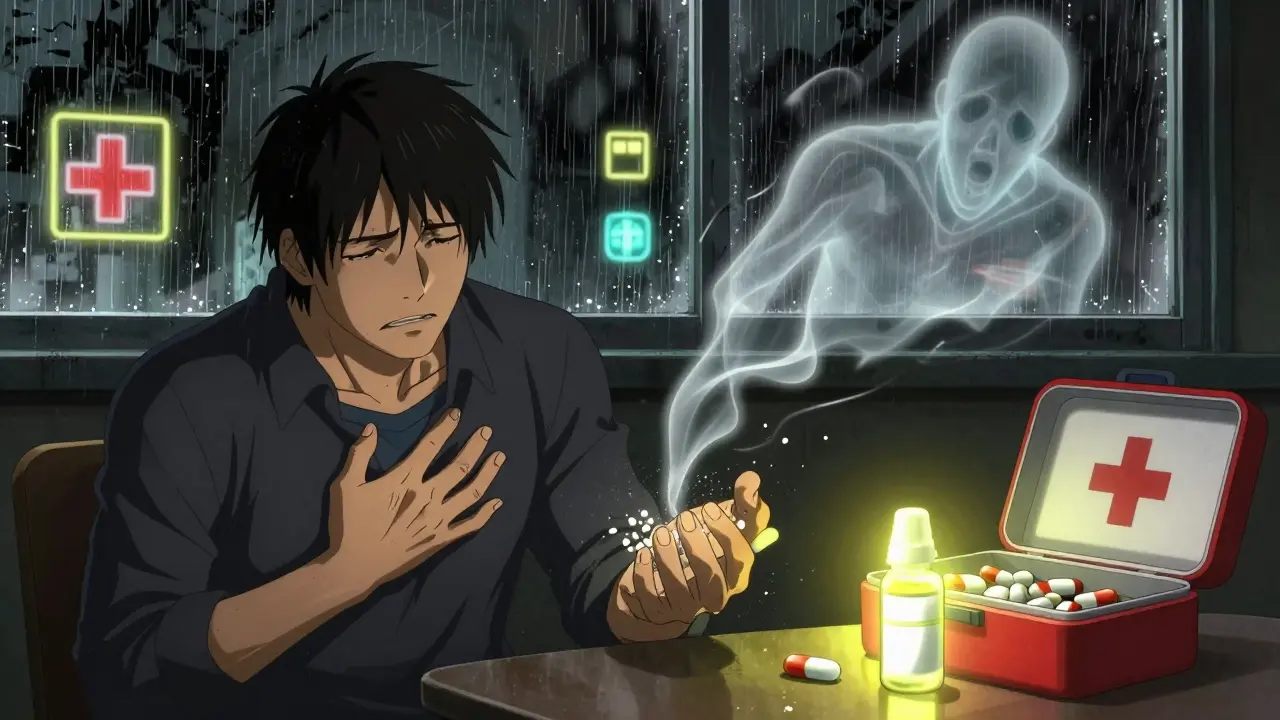
Tetracycline: The one that turns toxic
This one’s rare, but deadly. Tetracycline and its cousins (doxycycline, minocycline) don’t just lose strength-they turn into harmful chemicals when they break down. The FDA has warned about this since 1963. Degraded tetracycline can cause Fanconi syndrome, a rare but serious kidney condition that damages the tubules and leads to permanent kidney failure. It’s not a guess. It’s documented. Even if the pills look fine, if they’re past expiration, don’t take them. There’s no safe threshold. If it’s expired, throw it out. No exceptions.Epinephrine auto-injectors: Your life on borrowed time
EpiPens save lives during anaphylaxis. But if they’re expired, they might not work at all. Mylan Pharmaceuticals’ own data shows epinephrine loses about 15% of its potency every year after expiration. That means a pen that’s two years past its date could be delivering less than 70% of the dose you need. Swedish Health Services documented cases where people delayed calling 911 because they thought their expired EpiPen would work. Three of those people ended up hospitalized. In one case, a teenager went into cardiac arrest because the epinephrine didn’t kick in fast enough. Don’t rely on the device looking okay. Don’t trust the “it’s just a few months” excuse. Epinephrine auto-injectors expire for a reason. Replace them on time. Keep two on hand. And make sure everyone who cares for you knows where they are.Eye and ear drops: A direct path to infection
Eye and ear drops contain preservatives to stop bacteria from growing in the bottle. Once those preservatives break down after expiration, the bottle becomes a breeding ground. Pseudomonas aeruginosa, a nasty bacterium, thrives in these environments. Cleveland Clinic reported 17 cases of corneal ulcers-some leading to permanent vision loss-between 2020 and 2022, all tied to expired eye drops. One patient lost sight in one eye after using a bottle that was six months past its date. Ear drops can cause otitis externa, a painful infection that can spread to the bone if untreated. There’s no safe way to “clean” an expired bottle. No amount of rinsing helps. If the date has passed, throw it away. Even if it looks clear and smells fine.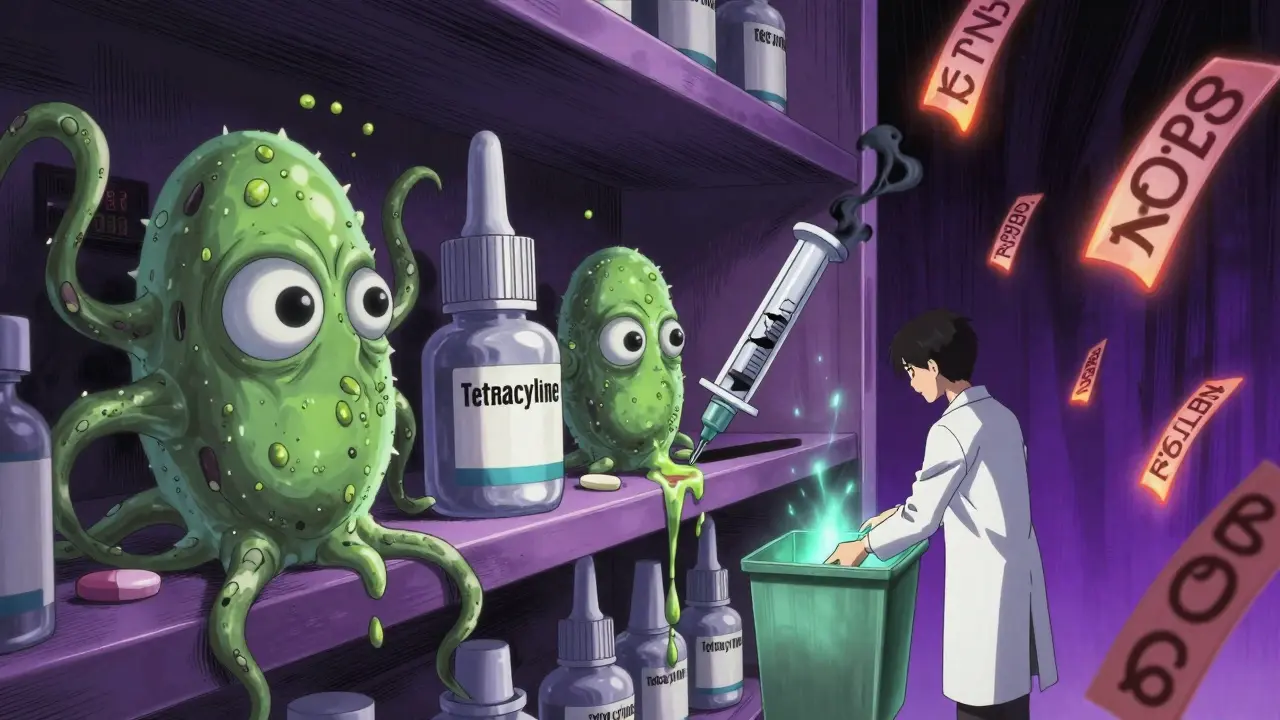
Thyroid medication: Tiny changes, big consequences
Levothyroxine, used for hypothyroidism, needs to be dosed with extreme precision. Even a 10% drop in potency can throw your metabolism off balance. The American Thyroid Association found that 68% of patients with existing thyroid conditions developed symptoms like fatigue, weight gain, or heart palpitations after switching to expired medication. Unlike insulin or epinephrine, you won’t feel an immediate crisis. But over weeks or months, your body slowly deteriorates. Your cholesterol rises. Your heart rate slows. Your mood crashes. And because thyroid levels are checked with blood tests, many people don’t realize their meds are the problem until it’s too late. If your thyroid meds are expired, get a new prescription. Don’t wait for symptoms. Prevention is the only safe strategy.What about the rest? Can you use other pills?
For most solid pills-like painkillers, antihistamines, or blood pressure meds-the risk is lower. They may lose a little potency, but they rarely become toxic. Still, that doesn’t mean you should use them. If you’re managing a chronic condition, you need full strength. A slightly weaker blood pressure pill could raise your risk of stroke. A less effective asthma med could land you in the ER. And storage matters more than you think. If you keep your meds in the bathroom, they’re exposed to steam and humidity. That speeds up degradation. The Cleveland Clinic found medications stored in bathrooms degrade 2.3 times faster than those kept in a cool, dry drawer.What should you do instead?
- Check expiration dates every six months. Make it part of your spring and fall cleaning. - Store meds properly. Cool, dry, dark place. Not the bathroom. Not the kitchen window. A bedroom drawer is ideal. - Replace critical meds before they expire. Insulin, epinephrine, nitroglycerin-don’t wait. Get new ones on schedule. - Dispose of expired meds safely. Don’t flush them unless the label says to. Use a take-back program. Pharmacies and police stations often have drop boxes. - Don’t guess. If it looks, smells, or feels different-toss it. Even if it’s not expired.Final thought: When in doubt, throw it out
The FDA’s warning is clear: expired medications may not work-or they could harm you. For most drugs, the risk is low. But for the ones listed here? The risk is life-or-death. You wouldn’t drive a car with worn brakes. You wouldn’t eat food that’s moldy. Don’t take medicine that’s expired-especially if it’s meant to keep you alive. Your health isn’t worth the gamble. Replace it. Dispose of it. Protect yourself.Can I still use expired painkillers like ibuprofen or acetaminophen?
For most solid pain relievers like ibuprofen or acetaminophen, using them a year or two past expiration is unlikely to be harmful-but they may not work as well. Studies show these drugs can retain up to 90% of their potency for years after expiration if stored properly. However, if the pills are cracked, discolored, or smell odd, throw them out. For chronic pain or serious conditions, always use fresh medication to ensure full effectiveness.
What happens if I accidentally take expired insulin?
Taking expired insulin won’t poison you, but it won’t lower your blood sugar as effectively. You may notice your glucose levels stay high even after a dose. This can lead to hyperglycemia, which over time causes fatigue, blurred vision, frequent urination, and increased risk of diabetic complications. If you suspect you’ve taken expired insulin, check your blood sugar more often and contact your doctor. Do not rely on it again.
Is it safe to use expired epinephrine in an emergency if nothing else is available?
If you’re having a life-threatening allergic reaction and have no other option, using an expired EpiPen is better than doing nothing. But it’s not safe. Studies show expired pens may deliver only 50-70% of the needed dose. Call 911 immediately after using it-even if you feel better. The goal is to get professional help as fast as possible. Never rely on an expired EpiPen as your primary treatment.
How do I know if my medication has gone bad before the expiration date?
Look for changes: pills that are cracked, discolored, or smell strange; liquids that are cloudy, thick, or have particles; eye drops that change color or smell; or inhalers that don’t spray properly. Even if the date hasn’t passed, if it looks off, don’t use it. Storage matters. If your meds were left in a hot car or damp bathroom, they may degrade faster than expected.
Can I donate unused, unexpired medications?
In most places, you cannot donate prescription medications due to legal and safety restrictions. Some states allow donation of unopened, unexpired drugs through specific programs, but these are rare and tightly regulated. The safest and most common way to dispose of unused meds is through a pharmacy take-back program or a DEA-authorized collection site. Never give your pills to someone else, even if they have the same condition.




Edith Brederode
January 20, 2026 AT 03:22Ugh, I just threw out my old insulin vial last week 😭 I swear, I kept thinking "it still looks fine"... then I read this and nearly cried. My grandma almost went into DKA last year because of this. Never again. 💔
clifford hoang
January 20, 2026 AT 12:47So let me get this straight… the FDA says 90% of drugs are fine past expiration, but then they list 6 things that’ll kill you? 🤔 Sounds like corporate fear-mongering to me. They want you buying new stuff every 6 months so they can keep raking in cash. I’ve got a 3-year-old EpiPen that still looks perfect-why throw money away? 💸
Arlene Mathison
January 22, 2026 AT 12:31THIS. THIS RIGHT HERE. I’m telling everyone I know. My cousin took expired tetracycline and ended up in the hospital with kidney damage. No joke. It’s not worth it. Keep your meds in a drawer, not the bathroom. And if you’re on thyroid meds? Don’t even think about stretching it. Your body will thank you. 🙌
Emily Leigh
January 24, 2026 AT 05:38Ugh, another fear-based article. "Throw it out!" Yeah, sure. I’ve got a whole drawer of expired ibuprofen that I use when I get a headache. I’m not dying. The world isn’t ending. 🤷♀️
Greg Robertson
January 25, 2026 AT 05:57Just wanted to say thanks for writing this. I’ve been a nurse for 12 years and I see people take expired meds all the time-especially the elderly. They’re scared to throw them out because they cost so much. This info could save lives. 💙
Crystal August
January 27, 2026 AT 02:20You people are so naive. You think the FDA cares about you? They’re just protecting Big Pharma’s profits. If expired drugs were truly dangerous, why don’t they recall them? Why do they let them sit on shelves? You’re being manipulated. And don’t even get me started on "pharmacy take-back programs"-they’re just a PR stunt.
Nadia Watson
January 29, 2026 AT 00:51Thank you for this comprehensive and deeply important guide. I work in public health in rural Ohio, and I can tell you-many seniors rely on expired medications due to cost, lack of insurance, or transportation barriers. This post is a vital resource. I’ve printed copies to distribute at our community clinic. Please, everyone: if you can, help someone nearby check their meds. It’s a quiet act of love. 🌱
Courtney Carra
January 29, 2026 AT 19:08It’s funny how we trust our phones to last 5 years, but we panic over a pill that’s 3 months past its date. Maybe the real issue isn’t the drug-it’s our obsession with control. What if we just… accepted uncertainty? 🤷♀️
thomas wall
January 31, 2026 AT 02:38One must question the integrity of a system that permits the sale of pharmaceuticals with arbitrary expiration dates while simultaneously promoting the notion that these substances are inherently unstable. The economic implications are staggering, and the ethical dimension-particularly regarding access to life-saving medications-is deeply troubling. One cannot help but suspect systemic malfeasance.
Shane McGriff
February 1, 2026 AT 05:43Edith, your comment about the insulin hit me hard. I’ve got a friend with Type 1 who’s terrified to throw away her vials because they cost $300 each. If you’re ever in the area, I’d love to help you find a patient assistance program. No one should have to choose between safety and affordability. You’re not alone in this. 💪