
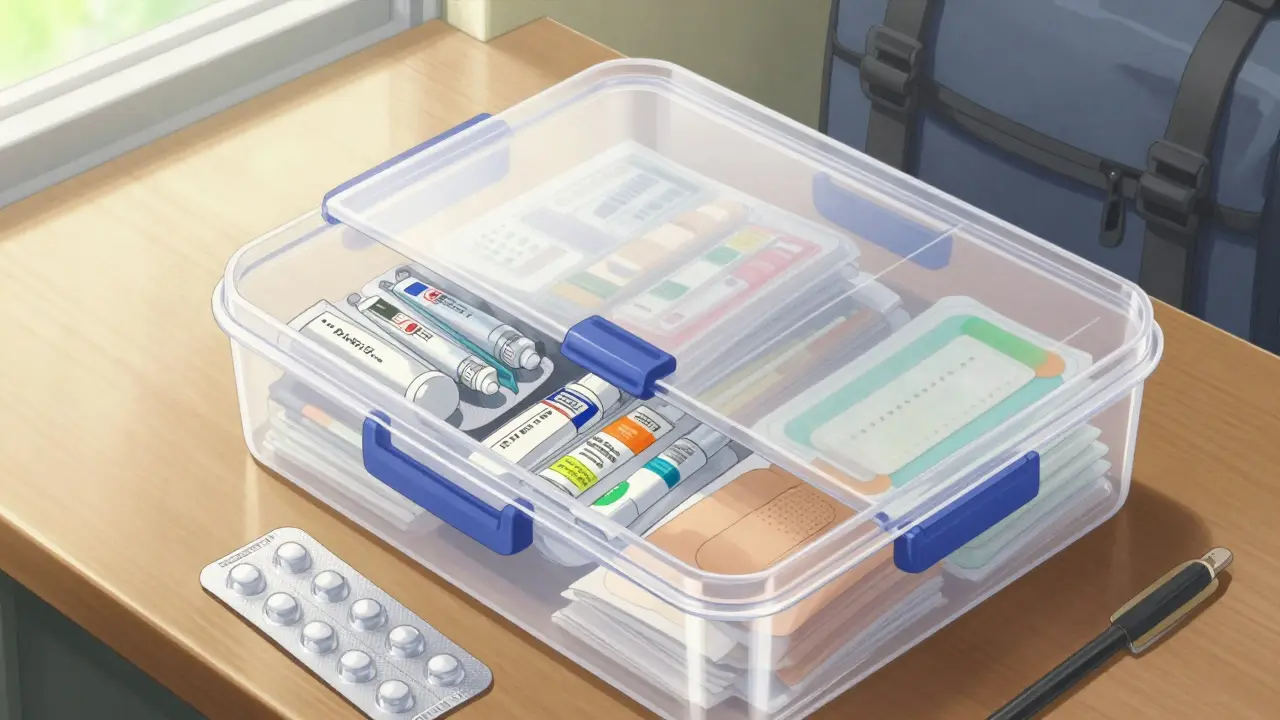
Imagine landing in a beautiful foreign city, only to be hit by a sudden bout of traveler's diarrhea or a nasty insect bite that won't stop itching. You search for a pharmacy, but the signs are in a language you don't speak, and the local brands are completely unfamiliar. This is where a well-stocked travel medication kit saves your trip. You don't need to pack your entire medicine cabinet, but having a curated selection of basics means you can handle minor hiccups without spending your vacation in a clinic.
The Quick Essentials Checklist
If you're in a rush, here is the baseline for a standard trip. Adjust these quantities based on how many days you'll be away.
- Pain & Fever: Ibuprofen (200-400mg) or Acetaminophen (500mg) - at least 10 tablets.
- Stomach Issues: Loperamide (Imodium) - at least 6 tablets.
- Allergies: Loratadine or Cetirizine (10mg) - at least 7 tablets.
- Skin Care: Hydrocortisone cream (1%), antibacterial ointment (Bacitracin), and assorted adhesive bandages.
- Hydration: WHO-formulated oral rehydration salts (ORS) packets.
Managing Digestive Distress and Hydration
Stomach issues are the most common travel ailment, often caused by new foods or contaminated water. To manage this, you need a two-pronged approach: stopping the symptoms and replacing lost fluids. Loperamide is an antidiarrheal medication used to reduce the frequency of stools. It's a lifesaver during long bus rides or flights. However, for more severe cases, some travelers carry a prescription antibiotic like Ciprofloxacin, though this should only be used if your doctor confirms it's necessary for your destination.
When you're sick, drinking plain water isn't always enough. Dehydration can make a mild illness feel like a crisis. Pack at least five packets of oral rehydration salts. These contain the specific balance of salt and sugar needed to pull water back into your cells. If you're prone to constipation due to travel diet changes, a few packets of psyllium husk (soluble fiber) can keep things moving.
Dealing with Pain, Inflammation, and Allergies
From hiking blisters to unexpected tension headaches, pain relief is non-negotiable. Depending on your needs, you'll want either Ibuprofen, which helps with inflammation and swelling, or Acetaminophen, which is generally gentler on the stomach. A good rule of thumb is to bring enough for three days beyond your planned return date in case of flight delays.
Allergies can pop up anywhere, whether it's a reaction to a new laundry detergent in a hotel or pollen in a different climate. Non-drowsy antihistamines like Cetirizine are ideal because they won't make you sleepy while you're trying to explore. For those itchy bug bites or a sudden rash, a small tube of hydrocortisone cream reduces swelling and stops the itch immediately.
| Condition | Recommended Entity | Typical Dose/Value | Primary Goal |
|---|---|---|---|
| Fever/Pain | Acetaminophen | 500mg | Pain relief/Fever reduction |
| Inflammation | Ibuprofen | 200-400mg | Reducing swelling/Pain |
| Diarrhea | Loperamide | 2mg | Slowing bowel movements |
| Allergies | Loratadine | 10mg | Blocking histamine response |
| Dehydration | ORS Packets | WHO Standard | Electrolyte replacement |
First Aid for Cuts, Scrapes, and Skin Irritations
Whether you're walking 10 miles a day in a city or trekking through a forest, small wounds happen. Your kit needs a way to clean and protect the skin to prevent infection. Start with an antiseptic wound cleaner-chlorhexidine or povidone-iodine works well. Follow that with a layer of antibacterial ointment like Bacitracin to keep the area moist and protected.
Don't just pack one type of bandage. Get an assortment of adhesive bandages in various sizes, plus a few 4x4 inch gauze pads and a roll of medical tape for larger scrapes. If you're heading to a mountainous region or a national park, blister pads are a must. Applying a blister pad the moment you feel a "hot spot" on your heel can prevent a painful blister from ruining your entire trip.
Tailoring Your Kit to Your Destination
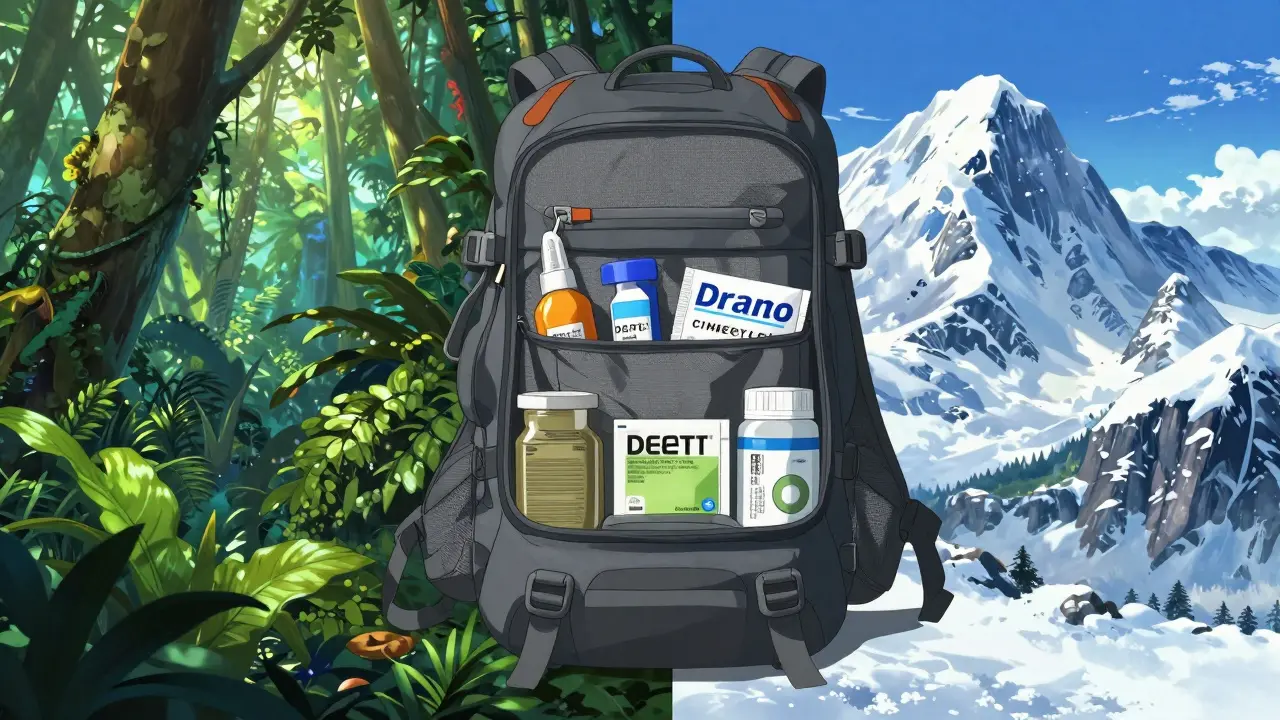
A trip to the Swiss Alps requires a very different kit than a trip to the jungles of Thailand. You need to customize your supplies based on the environment. If you're heading to high altitudes, you might need Acetazolamide to prevent altitude sickness. For tropical destinations, a high-concentration DEET-based insect repellent (20-30%) is your best defense against mosquito-borne illnesses.
If you're visiting areas where tap water isn't potable, don't rely solely on bottled water. Pack water purification tablets as a backup. This is especially critical for backpackers or those visiting rural villages where commercial bottled water might be scarce. For those traveling with infants, remember that adult doses are dangerous. Always consult a pediatrician for age-appropriate formulations and dosages before you leave.
Managing Prescription Medications and Legalities
Handling your regular prescriptions requires more than just packing enough pills. First, always carry a printed list of your medications including their generic names. Trade names (the brand name) change from country to country, but generic names are recognized by pharmacists globally. This ensures you get the right medicine if you lose your supply.
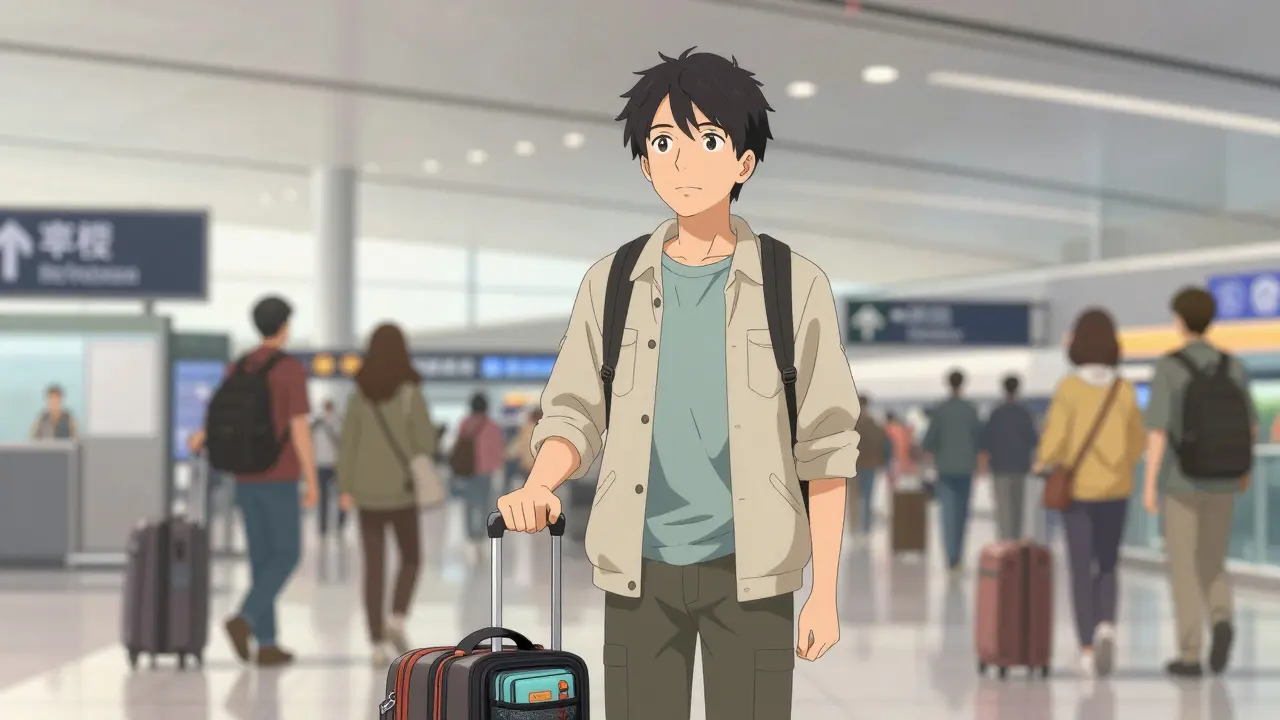
Legally, some countries are very strict. For example, Japan may prohibit certain common cold medicines containing pseudoephedrine. To avoid issues at customs, carry a letter from your doctor stating the medicines are for your personal use, the exact dose, and the medical necessity. If you use needles or syringes for diabetes, a doctor's letter is essential to explain why you are carrying these items through airport security.
A pro tip for safety: split your medications into two separate bags. Keep one in your carry-on and one in your checked luggage. If your suitcase disappears, you still have a few days' worth of essential meds to get you through the recovery process.
Organization and Storage Tips
Don't just throw everything into a plastic bag. Use a waterproof and squash-proof clear plastic box. This makes it easy to find what you need quickly and protects your supplies from leaks or crushing. Label the box clearly so your travel companions know exactly where the medical supplies are located.
Be mindful of temperature. Many medications, especially insulin, degrade if they get too hot (above 86°F or 30°C). Keep your kit in a cool, shaded part of your luggage, away from direct sunlight. Finally, double-check your local regulations for cabin luggage. While bandages and pills are fine, items like scissors or tweezers might be flagged by TSA or airport security, so it's safer to pack those in your checked bags.
How much medication should I pack for a two-week trip?
A general rule is to pack twice as much as you think you'll need. This covers you in case of travel delays, lost luggage, or an unexpected increase in the need for a specific medication. For a 14-day trip, bring at least 28 days' worth of essential prescriptions.
Can I just buy medications when I arrive at my destination?
While possible, it's risky. You may face language barriers, different brand names, or discover that a medication you rely on is illegal or unavailable in that country. Having your own kit ensures continuity of care and saves you from expensive emergency pharmacy trips.
What should I do if I'm traveling with a child?
Children require specific infant or pediatric formulations. Do not use adult medications for children under 2 years old. Visit your pediatrician to determine the correct dosage based on the child's weight and age, and pack a dedicated infant first aid kit.
Do I need to keep medications in their original packaging?
Yes, it's highly recommended. Original packaging contains the expiration date, dosage instructions, and lot numbers, which are critical for safety and for customs officials to verify the medication.
How do I handle prescriptions for countries with strict laws?
Check with the embassy or consulate of your destination country before traveling. Carry a signed doctor's letter and a copy of the prescription written with the generic name of the drug to avoid legal complications at the border.
What to do next
If you're traveling soon, your first step should be scheduling a visit with your primary care provider to check if you need any destination-specific vaccines. Once your health check is done, gather your supplies in a clear, waterproof container. Finally, create a "contact card" with the addresses of your lodging, the nearest hospital in your destination, and your local embassy to keep in your wallet at all times.


william wang
April 16, 2026 AT 11:26Adding a small digital thermometer is a game changer. Knowing if you actually have a fever or just feel warm helps a ton when deciding if you need those meds or a doctor visit.
Michael Lewis
April 17, 2026 AT 02:06Get those ORS packets now! Seriously, don't wait until the last minute to find them. Being prepared is the only way to keep your momentum when you're exploring a new place.
Maggie Graziano
April 19, 2026 AT 01:43big pharma just wants us dependent on these pills they dont tell you about the natural alternatives they hide the truth
Randall Barker
April 20, 2026 AT 06:49It is truly a mark of a decaying society that we must outsource our basic survival instincts to a checklist. People have traveled the globe for millennia without a curated plastic box of synthetic compounds. We have traded our innate resilience for the fragile comfort of over-medication. The modern traveler is a pampered creature, terrified of a simple stomach ache, forgetting that suffering is often the only path to genuine growth and perspective. We should embrace the chaos of the foreign environment rather than attempting to sanitize it with Ibuprofen. True wisdom comes from enduring the elements, not masking them with a chemical veil. This obsession with 'safety' is just a symptom of a deeper spiritual void. We are so afraid of a little discomfort that we've forgotten how to actually live. It's pathetic that we can't even handle a bug bite without a guide. The hubris of believing we can control every biological variable is astounding. Let the body fight its own battles for once. Only through the struggle do we find the strength to actually appreciate the destination. This isn't about health; it's about a neurotic need for control in an unpredictable universe. We've become slaves to the pharmacy.
Anmol Garg
April 21, 2026 AT 14:30I think it's a gentle reminder that our bodies react differently to different lands. It's not about control, but about kindness to oneself while navigating the unknown.
Cheryl C
April 23, 2026 AT 02:17USA has the best meds anyway!! 🇺🇸🇺🇸 Just pack whatever u want and tell them its for health!! God bless America 🦅💊
Adele Shaw
April 24, 2026 AT 15:00I can't believe people actually think other countries have decent pharmacies. Honestly, why would you trust a foreign drug store when you can just bring the superior American stuff from home? It's honestly scary to think about the quality control elsewhere. I'm literally shaking thinking about the risks.
Colleen Tankard
April 25, 2026 AT 20:52I always carry some local tea bags from home too 🍵 it's not medicine but it's so comforting when you're feeling under the weather in a hotel!
Autumn Bridwell
April 26, 2026 AT 11:13OMG I HAD THE MOST TERRIBLE EXPERIENCE IN BALI!! I forgot my antihistamines and I literally broke out in hives the second I stepped off the plane! It was a total nightmare and I ended up crying in the hotel lobby for three hours!
Sophia Rice
April 26, 2026 AT 16:57I usually just pack everything in a small pouch but the clear box idea is gret! I always lose my bandages in my bag lol
Theresa Griffin MEP
April 28, 2026 AT 11:39Preparation is paramount. Proper documentation ensures seamless transit.
Joshua Nicholson
April 28, 2026 AT 22:41Seems like a lot of work just for a couple of aspirin, but whatever floats your boat haha.
Nathan Berlin
April 30, 2026 AT 05:49Imagine not knowing the generic names of your drugs how primitive 🙄 we have better healthcare standards in India now anyway 🇮🇳🔥
Anna BB
May 1, 2026 AT 22:52It's so interesting how we all handle anxiety differently... some pack a pharmacy, some pack nothing!! I think both are valid paths to peace... ❤️
Bonnie Piersall
May 3, 2026 AT 20:00This is a goldmine of info! Totally keeps the travel jitters at bay and makes sure your trip doesn't go belly up because of a rogue mosquito.