

Nocebo Effect Symptom Analyzer
Use this tool to reflect on your current symptoms. While not a medical diagnosis, it helps you identify patterns associated with the nocebo effect.
Key Takeaways
- The nocebo effect creates real physiological symptoms driven by negative expectations, not drug chemistry.
- Up to 50% of reported side effects during the start of a new medication may be nocebo-driven.
- It is often triggered by patient information leaflets, media reports, or negative experiences from others.
- High-risk groups include people with anxiety, depression, or those prone to pessimism.
- The effect can be mitigated through positive communication and framing from healthcare providers.
How the Nocebo Effect Actually Works
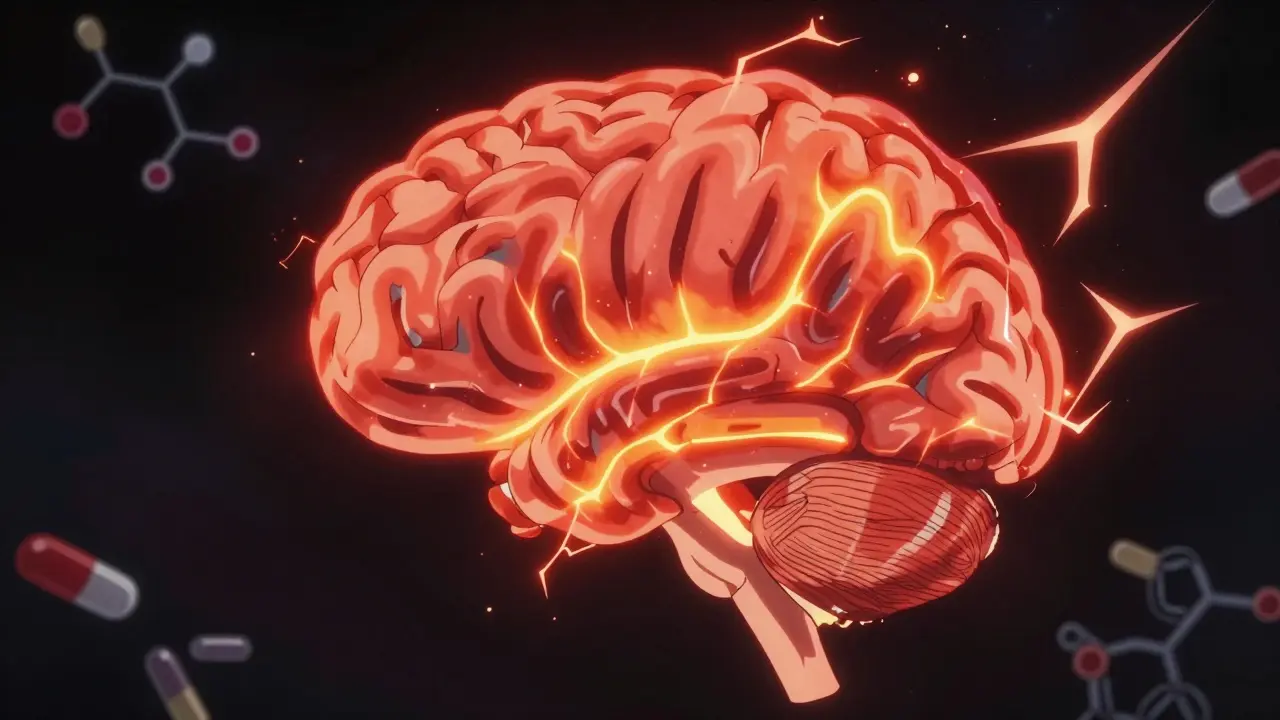
It might sound like "it's all in your head," but the nocebo effect is deeply rooted in your biology. When you believe a medication will make you sick, your brain doesn't just think about the symptom-it can actually trigger the physical sensation. Neuroimaging shows that negative expectations activate the anterior cingulate cortex and the insula, areas of the brain heavily involved in processing pain and unpleasant sensations.
This isn't just a psychological trick; it's a neurobiological response. For example, in studies involving remifentanil (a potent opioid), researchers found that when patients were told the drug would increase their pain sensitivity after the initial effects wore off, the analgesic benefit was completely wiped out. Their expectation of pain actually blocked the drug's ability to stop pain. Your brain essentially creates a chemical environment that mimics the very symptoms you're afraid of.
Why You Feel Side Effects That Aren't There
The nocebo effect usually sneaks into your healthcare experience through three main pathways. First, there is heightened symptom awareness. We all have "background noise" in our bodies-a random ache here, a bit of fatigue there. Normally, we ignore it. But once you read that a drug can cause "fatigue," you suddenly notice every yawn and attribute it to the pill.
Second, there is misattribution. You might have a headache because you're dehydrated or stressed, but because you just started a new medication, you assume the drug is the culprit. Finally, there is the amplification of fluctuations. Many chronic conditions have natural ups and downs. When a patient feels a dip in their health, they may blame the medication rather than the disease itself.
This is why patient information leaflets can be a double-edged sword. While they are necessary for informed consent, listing every possible obscure side effect without context can act as a roadmap for the patient's brain, telling it exactly which symptoms to look for. Studies have shown that the more adverse effects listed in a leaflet, the more patients actually report experiencing them.
The Brand Name vs. Generic Battle
One of the most common arenas for the nocebo effect is the switch from a brand-name drug to a generic version. Chemically, the active pharmaceutical ingredient is the same. However, the perceived experience can be wildly different. This often happens because patients perceive generics as "cheaper" or "lower quality," which creates a negative expectation.
Consider a real-world example from New Zealand in 2017 involving the antidepressant venlafaxine. When the country switched brands, reports of side effects were initially stable. However, after media coverage began highlighting the change and suggesting potential issues, reports of adverse reactions spiked. The drug hadn't changed; the public's perception had. This shows how external information-news articles, social media posts, or a friend's "horror story"-can trigger a collective nocebo response.
| Feature | Placebo Effect | Nocebo Effect | Pharmacological Effect |
|---|---|---|---|
| Driver | Positive Expectation | Negative Expectation | Chemical Interaction |
| Outcome | Improved Symptoms | New/Worsened Symptoms | Specific Biological Response |
| Mechanism | Dopamine/Endorphins | CCK/Pain Pathways | Receptor Binding |
| Consistency | Variable by person | Variable by person | Consistent dose-response |
Who Is Most Susceptible?
Not everyone is equally prone to the nocebo effect. Some people are simply more "suggestible" than others. Research indicates that women report about 23% more side effects in placebo-controlled trials than men. Additionally, individuals struggling with anxiety or depression are roughly 1.7 times more likely to experience nocebo responses. This is often because these conditions can heighten a person's sensitivity to perceived threats or internal bodily changes.
Pessimistic personalities also play a role. If you generally expect the worst outcome from any new venture, your brain is already primed to look for failure in a medical treatment. This creates a feedback loop: you expect a side effect, you notice a normal bodily sensation, you label it as a side effect, and your stress increases, which in turn makes you feel more physically unwell.

How to Reduce the Impact of Negative Expectations
The goal isn't to lie to patients-that would violate medical ethics. Instead, the focus is on balanced framing. How a doctor describes a medication can either prime the patient for success or set them up for a nocebo response.
For instance, instead of saying, "Some people find that this generic brand is less effective," a provider might say, "The vast majority of patients find no difference between this and the brand name, though a very small number of people notice a slight shift." Both statements are honest, but the second one emphasizes the norm (success) rather than the exception (failure).
For patients, the best defense is a bit of skepticism. When you feel a new symptom after starting a med, ask yourself: "Would I have noticed this if I hadn't read the leaflet?" or "Is there any other reason I might feel this way?" Understanding that your brain is capable of creating these sensations can actually help you detach from them and reduce their intensity.
Are nocebo side effects "fake"?
No, they are not fake. While they aren't caused by the chemicals in the drug, the physical sensations-like nausea, headaches, or pain-are very real. Your brain is triggering actual physiological changes in your body; it's just the cause that is psychological rather than pharmacological.
How can I tell if a side effect is real or a nocebo response?
It's difficult to tell on your own, but true pharmacological side effects usually follow a dose-response relationship (getting stronger as the dose increases) and are consistent across most people. Nocebo effects often fluctuate based on your mood, what you've read, or your environment. Always consult your doctor before changing your dosage.
Does this mean I shouldn't read the side effect leaflets?
You should still be informed, but try to read them with a critical eye. Understand that leaflets list every possibility to protect the manufacturer legally, not because every patient will experience them. Focus on the frequency of the side effect (e.g., "rare" vs "common") rather than just the list of symptoms.
Can the nocebo effect make a drug stop working?
Yes. Negative expectations can reduce the overall efficacy of a treatment. When you believe a drug won't work or will harm you, your brain can block the pathways that allow the medication to provide relief, particularly in pain management and mental health treatments.
What should I do if I think I'm experiencing the nocebo effect?
Talk to your healthcare provider about your concerns. If you realize your symptoms started exactly when you read a negative review online, sharing that context with your doctor can help them determine if the issue is the medication itself or a psychological response.
Next Steps for Patients and Providers
If you are a patient starting a new medication, try to focus on the rationale for the treatment-why your doctor believes this is the right choice for you. This helps build a positive expectation that can counteract nocebo triggers. If you find yourself spiraling into "what if" scenarios after reading a leaflet, take a break from medical forums and focus on your progress.
For providers, the key is to maintain a balance of transparency and positivity. Avoiding the word "side effect" and instead using terms like "how your body adjusts to the medication" can subtly shift the patient's mindset from one of harm to one of adaptation. By managing expectations, we can improve medication adherence and ensure patients get the full benefit of their treatment.


Chidi Prosper
April 24, 2026 AT 03:50This is absolutely spot on. We really need to push for a systemic change in how doctors present this data to patients because the current method of just handing over a scary list of side effects is practically inviting the nocebo effect to happen.
Sarah Watters
April 25, 2026 AT 22:03Funny how they call it a "phenomenon" instead of just admitting the pharmaceutical companies use these leaflets to gaslight us into thinking our real reactions are just in our heads. It's a convenient way for Big Pharma to hide the actual toxicity of their generic swaps while pretending it's all psychological manipulation.
Anantha Lakshmi
April 27, 2026 AT 14:40Such a fascinating read! 🌟 It really shows how powerful our mindset is in the healing process. Let's all try to stay positive and trust the process! ✨🙏
Rick Brewster
April 29, 2026 AT 10:50the dualism between the somatic experience and the cognitive projection here is honestly just basic phenomenology and the way we attempt to categorize the nocebo as a distinct entity rather than a failure of the human condition to reconcile perceived threat with biological reality is just... simplistic really
Divyanshu Giri
May 1, 2026 AT 04:03Keep your head up everyone! Just believe in the win and your body will follow that lead! Super power is in the brain!
Sue Stoller
May 2, 2026 AT 22:09I love how this explains things! 😊 It's so important to be gentle with ourselves when we're feeling unwell. You've got this, everyone! ❤️
Nicole Antunes
May 4, 2026 AT 08:18It is quite interesting to see the biological basis for these reactions. The distinction between pharmacological and psychobiological effects is an important one for patient advocacy. (^_^)
vimal purwal
May 4, 2026 AT 09:08While I agree with the general premise of the article, I must insist that the responsibility falls squarely on the medical professional to ensure that the patient's psychological state is stabilized before introducing a new chemical agent, as failure to do so is a gross negligence of the holistic approach to patient care that should be mandatory in every modern clinical setting regardless of the specific medication being administered.
Emma Cozad
May 5, 2026 AT 02:19smh at ppl believin this. its just a way to tell us we're crazy when the drugs actually dont work. typical corporate propoganda to protect the bottom line.
Ally Warren
May 5, 2026 AT 07:52The mind is essentially a mirror; if we look for pain, we find it. The nocebo effect is just the physical manifestation of our own internal cynicism.
Ajinkya Joshi
May 7, 2026 AT 03:57Oh great, so now we're just blaming the patient's "pessimism" for the drug failing. What a convenient way for doctors to avoid admitting their prescriptions are hit-or-miss.
Olayinka Ibukunoluwa Mercy
May 7, 2026 AT 13:12This is so helpful!! 🌸 Please remember to be kind to your mind while you recover... and always talk to your doctor before making any big changes!! 🥰✨
Dan Wizard
May 9, 2026 AT 09:41I've often wondered if this extends to non-medical areas of life, perhaps the way we perceive a failing relationship or a dying career, where the expectation of a negative outcome actually accelerates the decline in a way that becomes a self-fulfilling prophecy, much like how these patients experience side effects they were told to expect.
RAJESH MARAVI
May 9, 2026 AT 19:03Pure lieeees!! My generic meds felt diffrent cuz they ACTUALLY are diffrent. Stop tryng to launder the pharma image with this fake science stuff lol
Odicha ude Somtochukwu
May 10, 2026 AT 21:54It is truly remarkable how the intersection of psychology and biology influences our wellness... we must strive for a more compassionate communication style in our clinics!!