
What to Do Right Now If Your Medicine Is Recalled
If you hear your medication has been recalled, don’t panic. But don’t ignore it either. Roughly 4,872 drug recalls happened in the U.S. in 2022 - and most aren’t emergencies. Still, the right steps can keep you safe. The key is acting quickly, but not blindly.
Recalls happen for many reasons: contamination, wrong labeling, manufacturing errors, or unexpected side effects. The FDA classifies them into three levels. Class I recalls are the most serious - they could cause serious harm or death. These make up only about 15% of all recalls. Class II means possible temporary or reversible health issues. Class III are the least risky - often just paperwork errors that don’t affect safety.
Don’t Stop Taking Your Medicine - Call Your Pharmacy
A common mistake? Stopping your pills right away. That’s dangerous. If you take blood pressure medicine, insulin, or seizure drugs, suddenly quitting can cause a stroke, heart attack, or seizure. The FDA made this clear during the 2021 valsartan recall: "Continue taking your medicine until your doctor or pharmacist gives you a replacement."
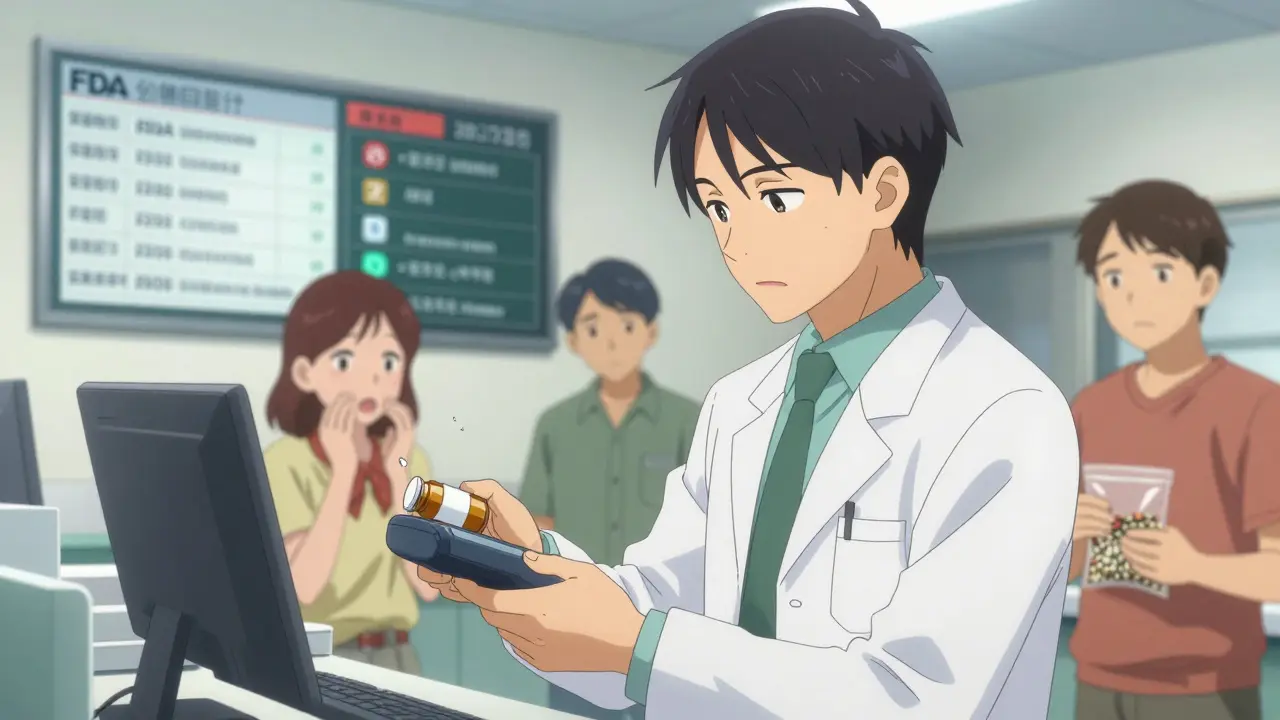
Instead, call your pharmacy. Pharmacists are trained to handle recalls. They check the lot number on your bottle against the FDA’s official list. About 92% of U.S. pharmacies have systems to respond within 24 to 48 hours. They can give you a new bottle from a safe batch, switch you to a different brand, or help you get a replacement fast.
Find Out If Your Bottle Is Affected - Check the Lot Number
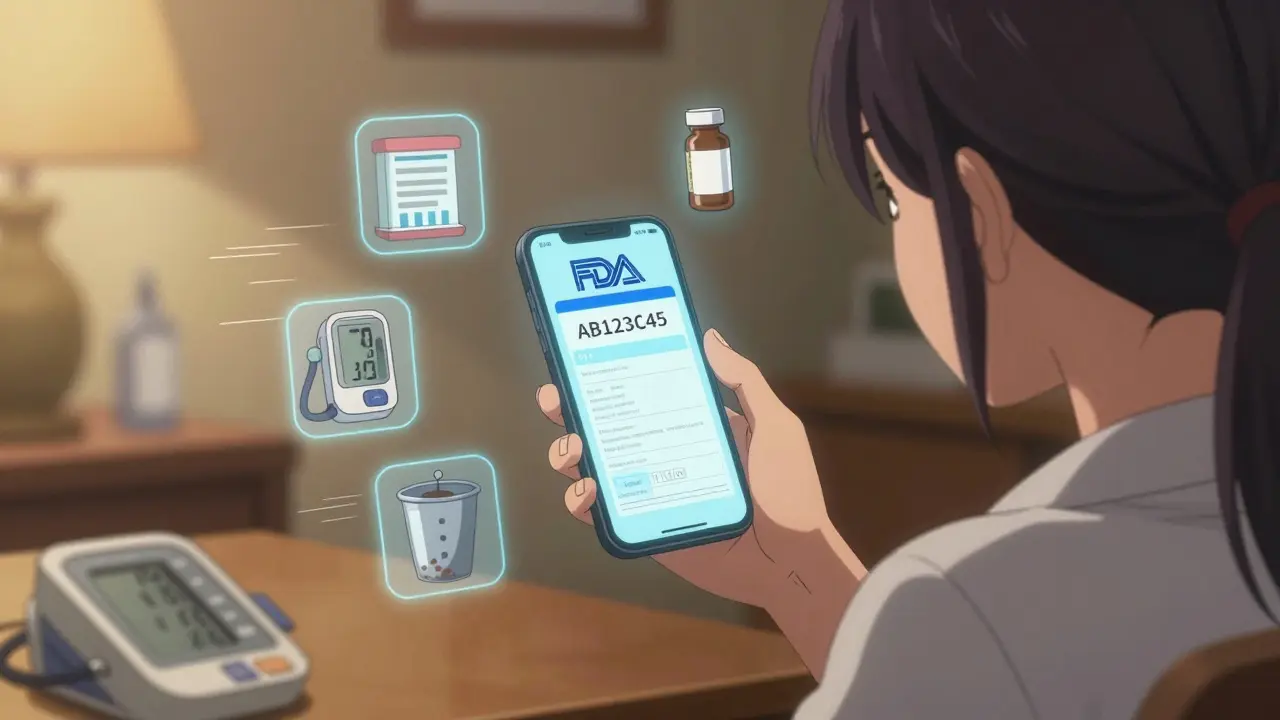
Not every bottle of a recalled drug is unsafe. Only specific batches are affected. You need to match the lot number on your medicine to the one in the recall notice. Look on the bottle or box - it’s usually a mix of letters and numbers, like AB123C45.
Most patients (45%) assume the whole drug is recalled. That’s wrong. Only about 1 in 5 recalls affect more than one lot. If you don’t know your lot number, take your bottle to the pharmacy. They can scan it for you. Keeping a small note with your lot numbers and expiration dates - even just in your phone - cuts your response time by 60%.
Verify the Recall - Use the FDA Website
Don’t trust random emails or social media posts. Go straight to the source: FDA.gov/recalls. Here’s how to check:
- Search by your drug’s brand name or generic name.
- Use the "Product Type" filter to narrow results to "Human Drugs".
- Click on the recall notice - it will list the exact lot numbers, expiration dates, and why it was pulled.
- Compare that to your bottle.
The FDA also offers an RSS feed for real-time alerts. About 45% of healthcare workers subscribe to it. You can’t sign up directly as a patient, but your pharmacist can - and they’ll tell you if something affects you.
Dispose of Recalled Medicine the Right Way
If your pharmacy tells you to throw the medicine away, don’t flush it or toss it in the regular trash. That’s unsafe for the environment and risky for kids or pets.
Follow these steps:
- Take the pills out of the bottle.
- Mix them with something unappetizing - used coffee grounds, cat litter, or dirt.
- Put the mixture in a sealed plastic bag or container.
- Throw it in the household trash.
Some pharmacies offer take-back bins. Ask if yours does. If the recall notice doesn’t say how to dispose of it, call your pharmacist. They’ll give you the correct method.
Watch for Side Effects - And Report Them
Even if you took the recalled medicine for a few days, pay attention to how you feel. Did you get a rash? Nausea? Dizziness? Unusual fatigue? These could be signs of a reaction.
Keep a simple log: write down what you took, when, and any symptoms. If something feels off, call your doctor. Don’t wait.
You can also report bad reactions directly to the FDA through their MedWatch program. In 2022, over 142,000 patient reports came in - and 27% led to new recalls. Your report could help protect someone else.
What Happens After a Recall? (And Why It Matters)
Recalls aren’t just about removing bad pills. They’re about fixing systems. In 2022, 65% of recalls came from manufacturing problems - like dirty equipment or wrong ingredients. Another 20% were labeling errors: wrong dosage printed, missing warnings, or mixed-up names.
The FDA expects manufacturers to fix these fast. For Class I recalls, 98% of hospitals and pharmacies resolve them within 10 business days - if they’re prepared. Those without good systems take 30 days or more. That’s why your quick action matters. The faster you act, the sooner your provider can get you safe medicine.
Common Mistakes - And How to Avoid Them
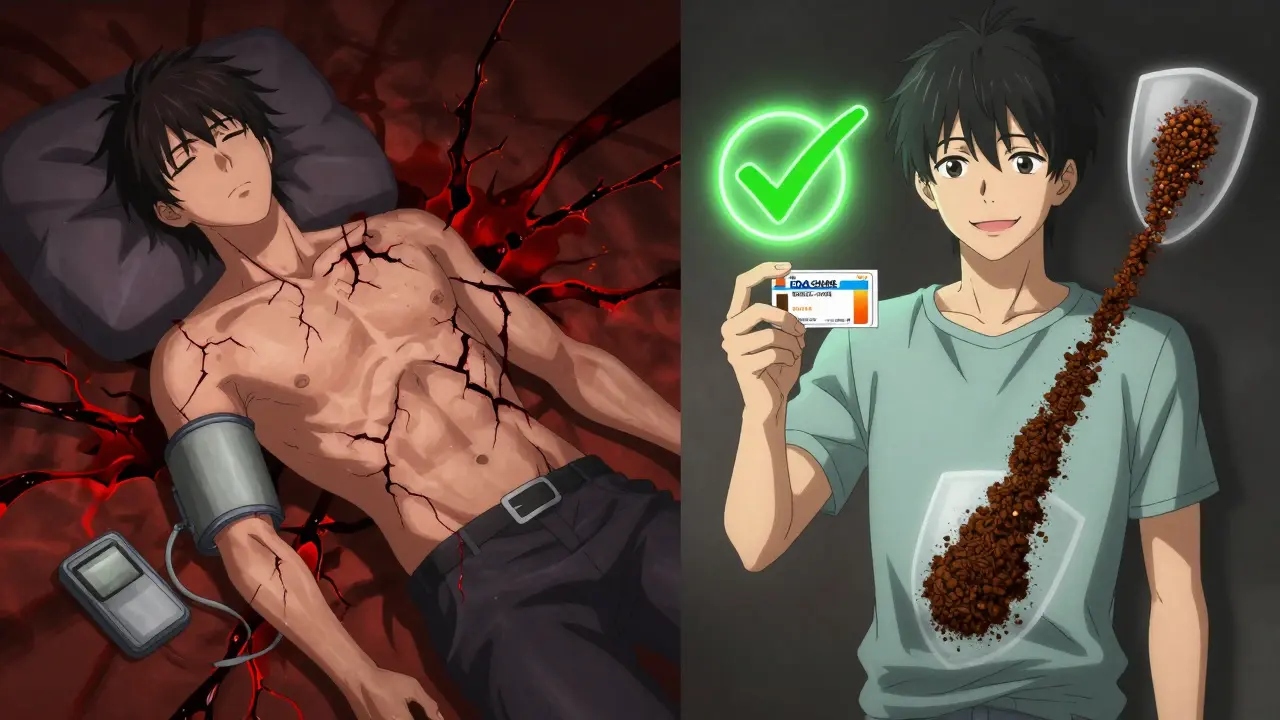
- Mistake: Stopping your medicine without talking to a provider. Fix: Always ask before quitting.
- Mistake: Assuming all bottles of a drug are recalled. Fix: Always check the lot number.
- Mistake: Flushing pills or tossing them in the trash. Fix: Mix with coffee grounds or cat litter first.
- Mistake: Ignoring recall notices because "it’s probably not me." Fix: Check your bottle - it takes two minutes.
According to the FDA’s 2022 patient survey, 22% of people stopped their meds without advice - and many ended up in the ER. Don’t be one of them.
What’s Changing in 2026?
The FDA is getting better at reaching patients directly. New pilot programs now send recall alerts through pharmacy benefit managers - the companies that handle your insurance drug coverage. In early tests, this boosted patient response rates by 35%.
Also, blood pressure meds (like valsartan), diabetes drugs, and cancer treatments are still the most commonly recalled. If you take any of these, make checking your lot number part of your monthly routine.
Final Reminder: Stay Calm, Stay Informed
Most recalls aren’t life-threatening. But they’re not warnings to ignore. You have power here. You can check your bottle. You can call your pharmacy. You can report side effects. You can keep a log. These small steps protect you and others.
Medication recalls are part of how the system keeps you safe. Your job isn’t to fix the problem - it’s to respond correctly. Do that, and you’re doing more than most.
What should I do if my medicine is recalled?
Don’t stop taking it unless your doctor or pharmacist says to. Call your pharmacy right away. They’ll check the lot number on your bottle against the recall list and tell you if it’s affected. If it is, they’ll help you get a safe replacement within 1-2 days.
How do I know if my specific bottle is part of the recall?
Look at the lot number on your medicine bottle or box. Then go to the FDA’s website and search for the recall notice. Match the lot number exactly. Don’t assume all bottles of that drug are recalled - only specific batches are affected.
Can I just throw away recalled medicine in the trash?
No. Flushing or tossing pills in the trash can harm the environment and put children or pets at risk. Mix the pills with something unappetizing like coffee grounds or cat litter, seal them in a plastic bag, and put them in your regular trash. Ask your pharmacy if they have a drug take-back program.
Is it safe to keep taking a recalled medicine until I get a replacement?
Yes - if your doctor or pharmacist says so. For chronic conditions like high blood pressure, diabetes, or epilepsy, stopping suddenly can be more dangerous than the recalled medicine. The FDA specifically advises continuing your dose until you have a safe alternative.
Why do so many medications get recalled?
Most recalls (65%) are due to manufacturing issues - like contamination or incorrect ingredients. About 20% are labeling errors - wrong dosage or missing warnings. Only about 5% are linked to life-threatening side effects. The system works because these issues are caught before they cause widespread harm.
Which types of drugs are recalled most often?
Blood pressure medications - especially ARBs like valsartan - are recalled most frequently, making up 18% of Class I recalls. Diabetes drugs and cancer treatments follow closely behind. If you take any of these, check your lot numbers regularly.
How can I prepare for a future recall?
Keep a simple list of all your medications - including brand names, doses, lot numbers, and expiration dates. Store it on your phone or in your wallet. People who do this resolve recall issues 60% faster than those who don’t. It takes less than five minutes per medication.


Paul Mason
January 7, 2026 AT 16:49Pharmacists aren't just pill dispensers. They're your first line of defense.
Andrew N
January 9, 2026 AT 10:54Aparna karwande
January 10, 2026 AT 18:59Ayodeji Williams
January 12, 2026 AT 04:25Kyle King
January 14, 2026 AT 04:21Emma Addison Thomas
January 15, 2026 AT 09:16Christine Joy Chicano
January 16, 2026 AT 02:59Adam Gainski
January 17, 2026 AT 00:24Anastasia Novak
January 17, 2026 AT 07:57Elen Pihlap
January 17, 2026 AT 23:09Jessie Ann Lambrecht
January 18, 2026 AT 08:58Vince Nairn
January 19, 2026 AT 22:34Kamlesh Chauhan
January 20, 2026 AT 20:02Mina Murray
January 21, 2026 AT 00:58Sai Ganesh
January 21, 2026 AT 03:40