
Tyramine Risk Calculator
Understanding Tyramine Risk
When taking MAOIs, tyramine buildup can cause dangerous blood pressure spikes. This calculator estimates your cumulative tyramine exposure from fermented foods. Risk thresholds are based on clinical guidelines:
- 0-20mg: Low risk
- 20-50mg: Moderate risk
- 50+mg: High risk (emergency)
Select Foods
Estimated Risk
Selected Foods: 0
Cumulative Tyramine: 0 mg
What To Do If At Risk
- Blood pressure over 160/100 EMERGENCY
- Monitor for headache, chest pain, nausea ACT NOW
- Carry MAOI medical alert card RECOMMENDED
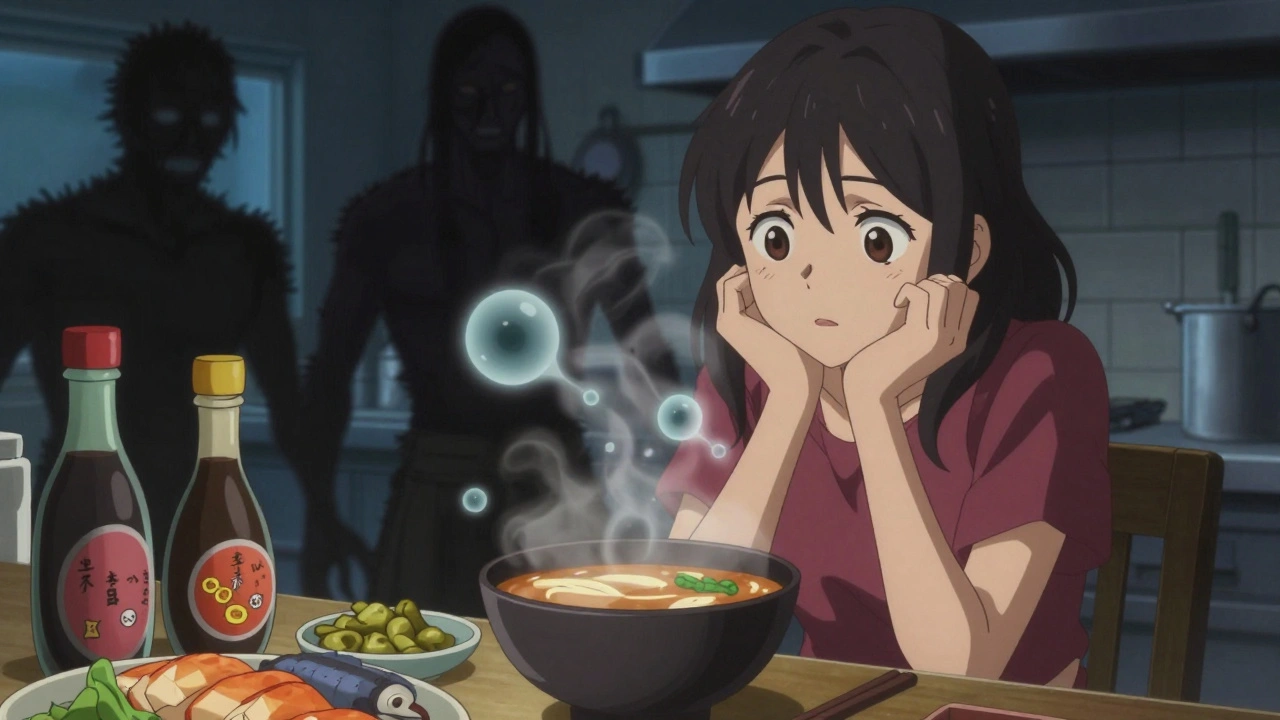
When you're on an MAOI for depression, the warning about cheese is everywhere. But what if the real danger isn't just cheddar or blue cheese? What if your miso soup, soy sauce, or even that bowl of sauerkraut could trigger a medical emergency? For the 1.2 million Americans taking monoamine oxidase inhibitors like phenelzine or tranylcypromine, the risk isn't limited to aged dairy-it's hiding in plain sight in everyday fermented foods.
The Real Culprit: Tyramine, Not Cheese
MAOIs work by stopping your body from breaking down neurotransmitters like serotonin and norepinephrine. That’s good for mood. But they also stop your body from breaking down tyramine, a compound formed when proteins in food break down over time. When tyramine builds up, it causes a sudden, dangerous spike in blood pressure-sometimes over 180 mmHg. That’s not just a headache. It’s a hypertensive crisis. Emergency room visits. Stroke risk. Even death. For decades, doctors focused on cheese because it’s the most obvious source. But research shows cheese is only the tip of the iceberg. A 2022 study from Harvard Medical School found that many patients who suffered tyramine-induced crises had eaten nothing dairy-related. Their triggers? Soy sauce, pickled vegetables, cured meats, and even tomato paste.Fermented Foods That Can Kill (If You’re on MAOIs)
Here’s what’s actually dangerous, based on lab-tested tyramine levels:- Dry-aged salami: 95-115 mg/kg
- Pepperoni: 80-100 mg/kg
- Smoked fish: 75-90 mg/kg
- Miso paste: 60-85 mg/kg
- Soy sauce: 45-70 mg/kg
- Sauerkraut: 50-75 mg/kg
- Kimchi: 40-65 mg/kg
- Worcestershire sauce: 25-45 mg/kg
- Fish sauce: 35-55 mg/kg
- Marmite or yeast extract: 40-60 mg/kg
- Red wine: 20-40 mg/L
- Draft beer: 15-30 mg/L (higher than bottled due to air exposure)
It’s Not Just About Aging-It’s About Storage
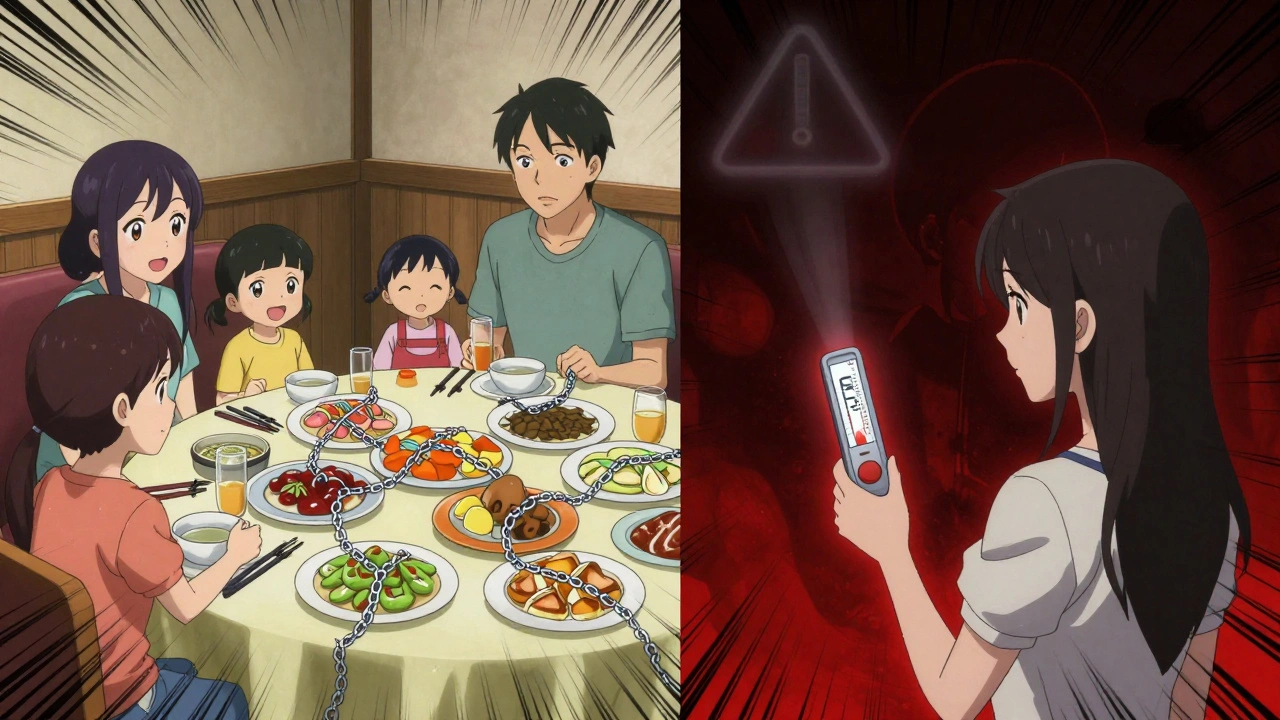
Tyramine doesn’t appear overnight. It forms over time as bacteria break down proteins. That’s why fresh tofu has only 5 mg/kg, but after three days in your fridge, it climbs to 25 mg/kg. The same goes for leftovers. A study from Brigham and Women’s Hospital found that patients who thought they were safe because they ate "fresh" food were still at risk if their food had been sitting too long-even in the fridge. Refrigeration slows tyramine growth, but it doesn’t stop it. And if you’re storing food in a fridge that’s not cold enough (above 4°C), tyramine builds faster. Many people don’t realize their fridge might be running too warm. A simple thermometer can save your life.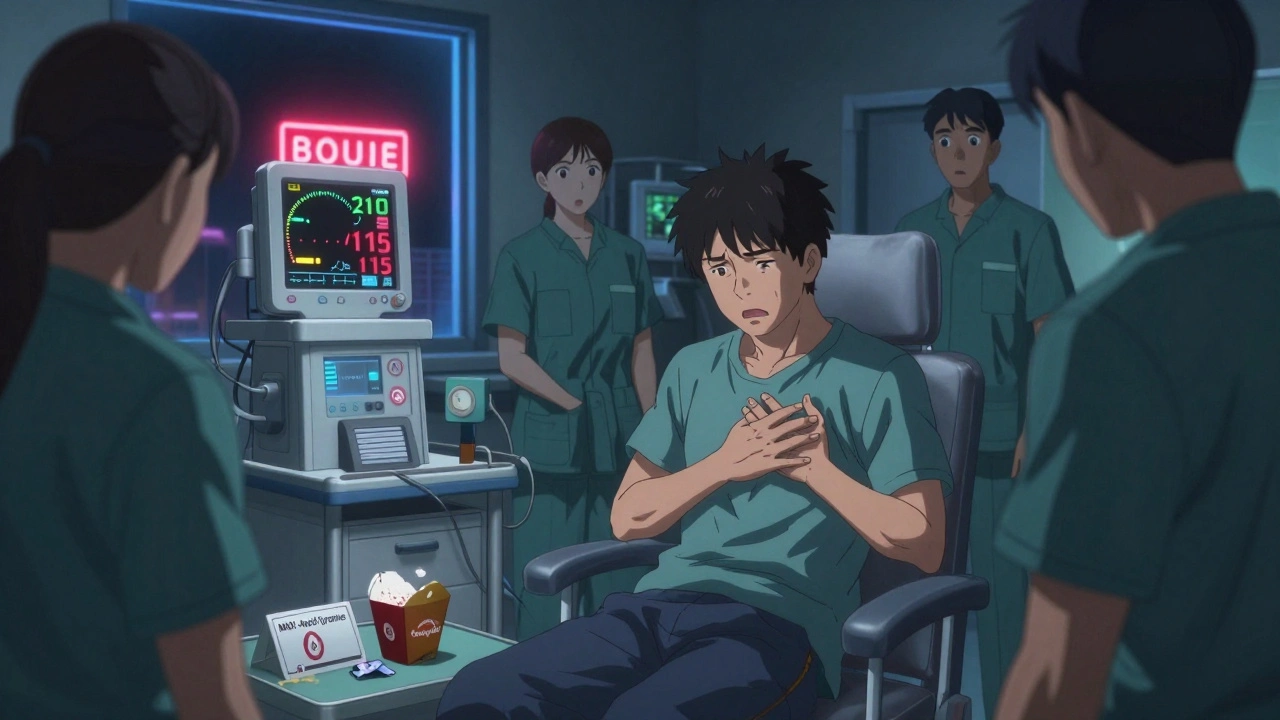
Restaurant Meals Are a Minefield
You can read labels at the grocery store. But what about when you’re eating out? A 2023 investigation found that 7 out of 10 popular chain restaurants couldn’t tell you if their menu items contained soy sauce, Worcestershire sauce, or fish sauce-even when asked directly. That’s not incompetence. That’s lack of training. Most kitchen staff don’t know what tyramine is. They don’t know that "teriyaki" or "umami seasoning" could be deadly. Patients on MAOIs often cancel dinners, avoid travel, or stick to plain grilled chicken and rice. One survey of 347 MAOI users found that 41.2% had turned down social events because they were afraid of what they’d be served. That’s not just inconvenient-it’s isolating.What About Soy? The Great Debate
There’s no clear answer on soy. Some doctors say avoid all fermented soy. Others say a tablespoon of soy sauce might be okay for some people. Dr. Brian Staiger, a pharmacist who studied 127 MAOI users, found that a few could tolerate small amounts without issues. But he also warned: "There’s no safe dose for everyone. What works for one person can kill another." The American Psychiatric Association’s 2023 guidelines are clear: avoid all high-tyramine foods. Period. Even if you’ve eaten miso soup for years without problems, your body can change. Your liver metabolism shifts. Your sensitivity increases. One slip-up can be enough.What You Can Eat (And What You Should Avoid)
Here’s a simple guide based on current medical consensus:- SAFE: Fresh meats, poultry, fish (not smoked or cured), fresh eggs, most fruits and vegetables (except overripe bananas or avocados), fresh dairy (milk, cottage cheese, ricotta), plain rice, pasta, bread, non-fermented condiments (ketchup, mustard, mayonnaise).
- AVOID: Aged cheeses, cured meats, smoked fish, fermented soy products, pickled vegetables, soy sauce, Worcestershire sauce, fish sauce, Marmite, draft beer, red wine, sherry, vermouth, overripe fruit, spoiled or stale food.
Education Is the Only Real Protection
Most patients aren’t warned properly. A 2022 JAMA study found that only 43.7% of primary care doctors could name three non-cheese tyramine sources. That’s terrifying. If your doctor doesn’t know, how are you supposed to? The best defense? Comprehensive education. The University of Michigan requires 45-minute sessions with a dietitian who specializes in psychiatric nutrition. Patients learn to read labels, spot hidden ingredients, and ask the right questions at restaurants. It takes 8-12 weeks to get good at it. And even then, many still struggle with sauces. Carry a medical alert card. The Psychiatric Times reports that 87% of ER doctors prefer patients to have a printed card that says: "I am on an MAOI. Avoid tyramine-rich foods. High blood pressure is a medical emergency."New Hope? Maybe. But Don’t Count On It Yet
There’s new research. A 2023 FDA-approved supplement called TyraZyme claims to reduce tyramine absorption by 58%. But experts are skeptical. Long-term safety? Unknown. Will it work for everyone? No. And it’s not a license to eat whatever you want. The transdermal selegiline patch (Emsam) is better. At the lowest dose, it allows up to 10 grams of tyramine daily-enough to eat a small portion of aged cheese. But even then, you still need to avoid most fermented foods. And it’s not for everyone. The real future? Personalized medicine. Hospitals are now testing patients’ genetics to see how well they naturally break down tyramine. Some people might tolerate more. Others need to be stricter. But this is still experimental. Don’t assume you’re one of the lucky ones.Is It Worth It?
MAOIs aren’t first-line treatment. They’re for people who haven’t responded to anything else. And for those people, they work-65-70% effectiveness compared to 45-50% for SSRIs. A survey of MAOI users found that 78.6% said the dietary restrictions were worth it. Their depression lifted. Their lives improved. But 68.3% had at least one slip-up in their first six months. And 12.4% stopped the medication because the diet was too hard. This isn’t about being perfect. It’s about being informed. It’s about knowing that your miso soup might be more dangerous than your antidepressant. It’s about asking your server, "Does this have soy sauce?" and meaning it. The cheese warning was never the whole story. The real danger has always been hiding in the sauce, the pickle, the smoked fish, the beer on tap. If you’re on an MAOI, your diet isn’t just a suggestion. It’s your safety net. And if you don’t know where the holes are, you’re one bite away from a crisis.Can I drink beer if I’m on an MAOI?
No-especially draft beer. Draft beer has more tyramine than bottled beer because it’s exposed to air during dispensing, allowing bacteria to produce more tyramine. Even small amounts can trigger a dangerous blood pressure spike. Stick to non-alcoholic beer or skip alcohol entirely while on MAOIs.
Is tofu safe on MAOIs?
Fresh tofu is low in tyramine, but it can become dangerous quickly. In just 72 hours in a standard refrigerator, tyramine levels can jump from 5 mg/kg to 25 mg/kg. Only eat tofu that’s freshly opened and consumed within 24 hours. Avoid refrigerated tofu that’s been sitting for days.
Can I eat soy sauce if I use only a little?
Some doctors say a teaspoon might be okay for some people, but there’s no guaranteed safe amount. Soy sauce contains 45-70 mg/kg of tyramine. Even a tablespoon can deliver enough to trigger a reaction in sensitive individuals. The safest approach is complete avoidance. Don’t risk it.
What should I do if I accidentally eat a high-tyramine food?
Monitor your blood pressure immediately. If it rises above 160/100, or if you feel headache, chest pain, nausea, or blurred vision, go to the ER. Do not wait. Bring your MAOI medication card. Emergency doctors need to know you’re on an MAOI-they’ll treat you differently than a typical hypertensive patient.
How long do I need to avoid high-tyramine foods after stopping MAOIs?
At least 14 days. MAOIs stay active in your body for up to two weeks after your last dose. Even if you feel fine, your enzyme levels haven’t recovered. Eating tyramine-rich food during this time can still cause a dangerous spike in blood pressure.
Are there any MAOIs that don’t require dietary restrictions?
The transdermal selegiline patch (Emsam) at the lowest dose (6 mg/day) allows up to 10 grams of tyramine daily, which means you can eat small amounts of aged cheese or soy sauce. But higher doses still require full restrictions. Oral MAOIs like Nardil and Parnate require complete avoidance. Never assume your MAOI is safe-ask your doctor.
Why do some people say they ate fermented food without problems?
Everyone metabolizes tyramine differently. Some people have naturally higher levels of monoamine oxidase enzyme and can break down tyramine faster. But that doesn’t mean it’s safe for you. Your body can change. A reaction might happen after months of no issues. Never rely on someone else’s experience as a guide.






Erin Nemo
December 2, 2025 AT 15:41I ate miso soup last week and didn’t think twice. Now I’m sweating just reading this. Thanks for the wake-up call.
Rachel Stanton
December 3, 2025 AT 04:30As a clinical dietitian specializing in psychopharmacology, I’ve seen too many patients assume ‘low-dose soy sauce’ is safe. Tyramine isn’t linear-it’s threshold-based. Even 15mg can trigger a crisis in metabolically vulnerable individuals. The USDA data is solid, but real-world risk is underreported because ERs don’t always connect the dots. Always assume fermented = high risk unless proven otherwise via lab-tested freshness.
Amber-Lynn Quinata
December 4, 2025 AT 08:33Ugh. I just had kimchi with my rice bowl yesterday 😭 I’m literally gonna vomit now. Why does no one warn you about this?? I’m 32 and I thought ‘healthy fermented foods’ were good for you. Turns out they’re just slow poison for people on meds. I hate this. I hate being this careful. I hate that I can’t even have a damn beer with friends. 🤢
Charlotte Collins
December 5, 2025 AT 06:35Let’s be real-this isn’t about food. It’s about control. Doctors and pharma companies profit from fear. You think they want you to be free? No. They want you dependent. Soy sauce isn’t killing you. Your anxiety is. And the ‘medical emergency’ narrative? That’s what keeps you obedient. I’ve been on Nardil for 11 years. I’ve had three glasses of red wine. I’m still alive. Maybe your body isn’t broken. Maybe the rules are.
Scotia Corley
December 5, 2025 AT 08:28While the article presents compelling data, it lacks critical context regarding individual metabolic variance. The assumption that all MAOI users are uniformly susceptible to tyramine is medically unsound. Pharmacogenomic studies indicate significant polymorphisms in MAO-A enzyme activity, rendering blanket dietary restrictions potentially overcautious. Furthermore, the cited Harvard study does not control for concomitant medication use or hepatic function, which are primary determinants of tyramine clearance. A one-size-fits-all approach is not evidence-based practice.
Debbie Naquin
December 5, 2025 AT 20:46What if the real problem isn't the food but the assumption that we need to suppress neurotransmitters to begin with? We treat depression like a chemical leak instead of a systemic imbalance. We give people drugs that force their body into a fragile state and then tell them they can't eat anything that's alive. Isn't that just another kind of control? Maybe the answer isn't more rules. Maybe it's asking why we're here in the first place.
James Allen
December 6, 2025 AT 12:55Look, I get it. But let’s not pretend this is just about food. This is about America’s obsession with fear-mongering. You’re telling me I can’t have a bowl of pho because of soy sauce? Meanwhile, people are dying from sugary cereals and Big Pharma’s opioid pills. This is a distraction. My cousin took MAOIs for 20 years and ate everything. He’s fine. Stop scaring people. We’re not lab rats.
Kelly Essenpreis
December 8, 2025 AT 11:22Why are we even talking about this? Who even takes MAOIs anymore? Everyone’s on SSRIs now. This feels like someone trying to make a big deal out of something that doesn’t matter. And why do we care about soy sauce? It’s just condiment. I’m not scared of a little umami. Also draft beer is gross anyway so whatever.
Alexander Williams
December 9, 2025 AT 11:24Typical. Another article weaponizing dietary fear to sell compliance. The data is cherry-picked. Tyramine thresholds vary by 1000% between individuals. The FDA’s own 2021 white paper on MAOI safety states that <1% of patients experience hypertensive crises from non-dairy sources. Yet here we are, turning a manageable risk into a life sentence. You’re not protecting people. You’re isolating them.
Suzanne Mollaneda Padin
December 9, 2025 AT 17:56As someone who grew up in Korea eating kimchi daily and now takes Parnate, I can say this: freshness is everything. My mom makes kimchi every week. I eat the first batch-raw, unrefrigerated for less than 48 hours. After that? It’s compost. Same with soy sauce-I use a tiny splash of freshly opened, refrigerated, low-sodium variety. No problems. But I also test my BP weekly. Knowledge + caution > fear. This isn’t about giving up culture. It’s about adapting it.
Margaret Stearns
December 11, 2025 AT 03:16i just found out im on an mai and i had soy sauce last night. im so scared. my head hurts. should i go to the er? i dont have a card. i dont even know what to do.
amit kuamr
December 12, 2025 AT 01:19why you all so scared of food? in india we eat fermented fish and soy for centuries no one die. maybe your body weak. not food problem. also beer is fine if you not drink too much. stop listen to american doctors. they scare people to sell more pills.
elizabeth muzichuk
December 13, 2025 AT 09:46I’m sorry, but this post is disgusting. You’re turning people into food police. You’re making them feel guilty for eating anything that’s been touched by time. What’s next? No sunlight because it might trigger serotonin overload? No breathing because oxygen might interact with your meds? This isn’t medicine. This is psychological torture dressed up as safety. And you’re proud of it? I hope you sleep well.
Karandeep Singh
December 14, 2025 AT 22:10you say avoid soy sauce but you never say how much is dangerous. is 1 drop dangerous? 10 drops? nobody knows. so i just eat it anyway. if i die then i die. life is short anyway.