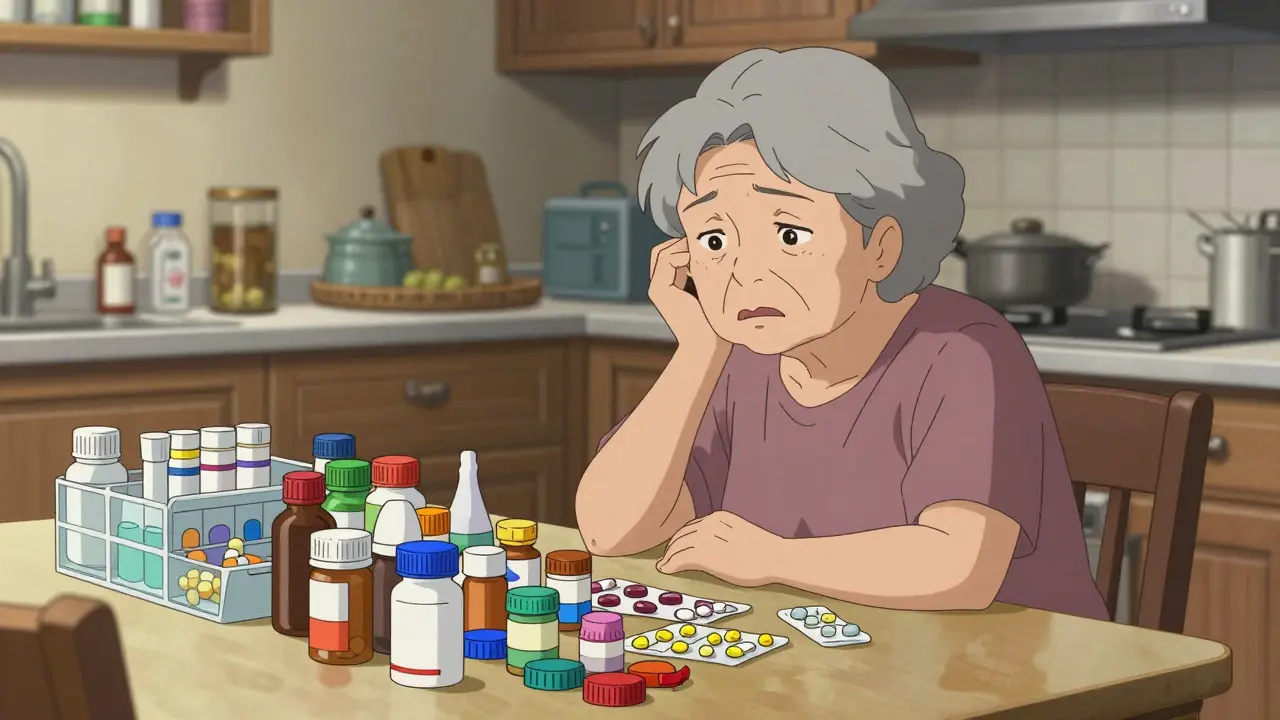
Imagine your grandmother has a routine that looks like a small pharmacy on her kitchen counter. She takes pills for blood pressure, cholesterol, arthritis, and sleep. It’s easy to see how this daily ritual can become overwhelming. Medication adherence is the behavior of taking medication exactly as prescribed by a healthcare provider. For older adults, sticking to these regimens is one of the biggest hurdles in modern healthcare. When seniors miss doses or stop taking drugs entirely, the consequences aren’t just minor setbacks-they can lead to hospitalizations, worsening chronic conditions, and even premature death.
The numbers paint a stark picture. According to data from the Kaiser Family Foundation, nearly 90% of adults aged 65 and older take at least one prescription medication. More than half take four or more. This phenomenon, known as Polypharmacy, defined as the use of multiple prescription drugs or more medications than medically necessary, creates a perfect storm for non-adherence. The more pills involved, the harder it becomes to stay on track. But why do so many seniors struggle? Is it simply forgetfulness, or are there deeper systemic issues at play?
Why Older Adults Struggle with Medication Regimens
It’s tempting to blame memory loss when an older adult misses a dose. While cognitive decline is a factor, it’s rarely the whole story. Research from Brazil highlights that social and family support issues account for over a third of adherence challenges. If no one checks in on Mom to see if she took her heart pill, she might skip it without anyone noticing. Education levels also play a massive role, contributing to nearly a quarter of all barriers. Complex medical jargon on labels or instructions can confuse anyone, regardless of age.
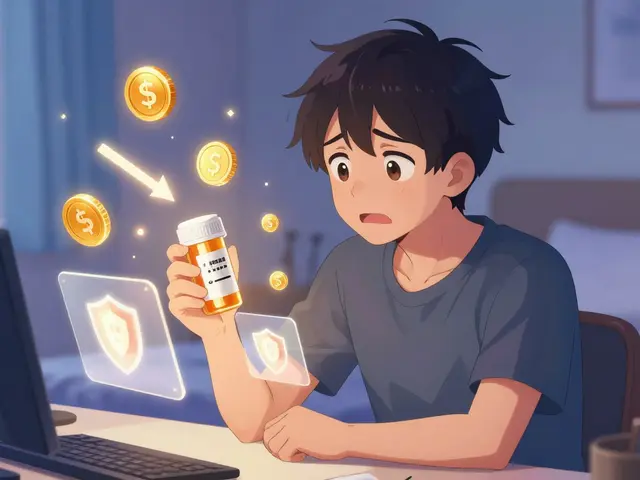
Physical limitations often go unnoticed by caregivers. Decreased vision makes reading tiny pill bottles difficult. Poor manual dexterity, common in those with arthritis, can make opening child-proof caps or sorting pills into weekly organizers a frustrating ordeal. Then there’s the financial reality. The CDC reports that cost is a significant barrier, with millions of older adults skipping doses or delaying refills because they can’t afford them. For those facing food insecurity, choosing between dinner and diabetes medication is a heartbreaking but real trade-off.
The Hidden Dangers of Polypharmacy
When doctors treat each symptom separately, patients end up with a long list of prescriptions. This lack of coordination leads to polypharmacy, which doesn’t just increase the chance of missed doses-it increases the risk of adverse drug reactions. Studies show that about 35% of adverse drug reactions in ambulatory older adults require hospitalization. These reactions often manifest differently than in younger people. A senior might experience falls, confusion, or urinary incontinence and assume it’s just part of aging, rather than a side effect of their medication mix.
This complexity creates a vicious cycle. Side effects make patients feel worse, leading them to self-adjust dosages or stop taking drugs altogether without consulting their physician. They might hide pills or take them irregularly, hoping to avoid unpleasant symptoms. This self-management is dangerous because it undermines the therapeutic goals of the treatment plan. The solution isn’t always adding another pill; sometimes, it’s subtracting unnecessary ones through careful review.
Simplifying Regimens for Better Compliance
One of the most effective strategies is simplification. Healthcare providers should work with pharmacists to consolidate medications. Can two different blood pressure meds be replaced with one combination pill? Can doses be scheduled once daily instead of three times a day? Georgetown University experts note that patients managing single daily doses show significantly higher adherence rates. Simplifying the schedule reduces the cognitive load and the number of opportunities for error.
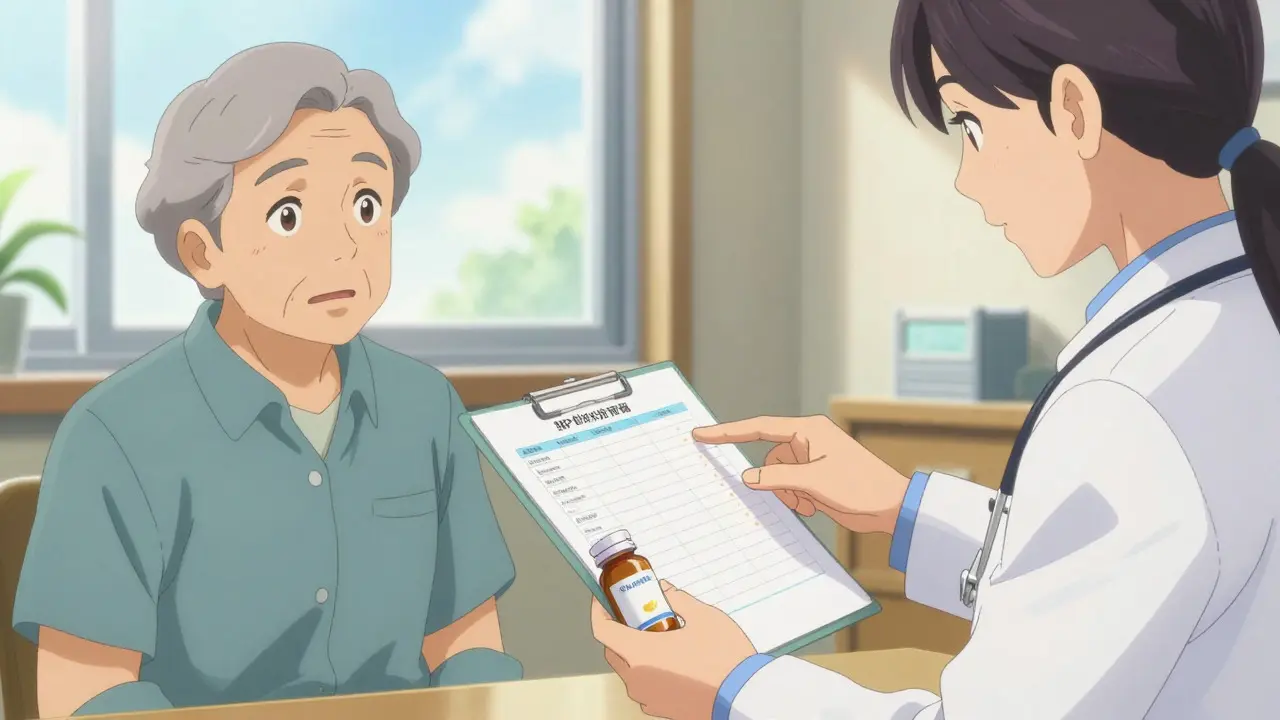
Routine medication reviews are essential. Clinicians need to evaluate every single medication for its utility. Is this drug still helping the patient meet their care goals? Given the patient’s life expectancy and quality of life priorities, does the benefit outweigh the burden? Deprescribing-safely stopping unnecessary medications-is a critical tool in geriatric care. It reduces pill burden, lowers costs, and minimizes the risk of interactions. This approach requires open communication between the doctor, pharmacist, and the patient.
Leveraging Technology and Tools
Technology offers practical solutions for memory-related barriers. Automated pill dispensers can lock compartments until the correct time and sound alarms when it’s time to take a dose. Smartphone apps can send reminders and track adherence history, which can be shared with caregivers. For those who aren’t tech-savvy, simple tools like large-print calendars or color-coded pill boxes can make a huge difference. The key is matching the tool to the user’s capabilities and preferences. A high-tech solution won’t help if the senior finds it confusing or intimidating.
Visual aids are powerful. Instead of relying on written instructions, use pictures or symbols to indicate morning, afternoon, and evening doses. Some communities have started using colored stickers on bottles to match the time of day. These low-cost interventions address the physical and cognitive barriers simultaneously. They turn an abstract schedule into a concrete, visual routine that is easier to follow.
Building Stronger Support Networks
Since social support is the largest barrier, strengthening these networks is crucial. Family members, friends, and community volunteers can play vital roles. Regular check-ins, whether in person or via phone, provide accountability and emotional encouragement. Caregivers should be trained to recognize signs of non-adherence, such as leftover pills or changes in behavior, without being judgmental.
Healthcare systems must also step up. Continuity of care ensures that patients see the same providers who know their history and preferences. Poor communication between specialists and primary care physicians often leads to conflicting advice or redundant prescriptions. Integrated care teams, including pharmacists, nurses, and social workers, can coordinate efforts to support the patient holistically. Social workers can help connect families with resources for transportation, affordable housing, or nutritional assistance, addressing the root causes of cost-related non-adherence.

Addressing Financial Barriers Directly
Cost remains a stubborn obstacle. Even with insurance, out-of-pocket expenses can add up quickly. Pharmacists and doctors should proactively discuss generic alternatives or therapeutic equivalents that offer the same benefits at lower prices. Patient assistance programs offered by pharmaceutical companies can provide free or discounted medications for eligible individuals. Navigating these programs requires knowledge and persistence, which is where dedicated case managers or social workers shine.
Policy changes are also needed. Expanding coverage for preventive care and reducing copays for essential chronic disease medications would alleviate financial stress. Until then, individualized financial counseling within healthcare settings can help seniors maximize their benefits and minimize unexpected bills. Transparency about costs before prescribing allows patients to make informed decisions and avoid surprise gaps in their treatment.
| Barrier Category | Specific Challenge | Evidence-Based Solution |
|---|---|---|
| Social/Family | Lack of supervision or support | Regular caregiver check-ins; community volunteer programs |
| Cognitive | Forgetfulness; confusion | Automated dispensers; simplified once-daily dosing |
| Physical | Poor vision; limited dexterity | Large-print labels; easy-open containers; pill organizers |
| Financial | High out-of-pocket costs | Generic substitutions; patient assistance programs |
| Regimen Complexity | Multiple drugs per day | Deprescribing; combination pills; synchronized refills |
Empowering Patients Through Education
Health literacy is foundational. Patients need to understand not just what to take, but why. Explaining the connection between a specific pill and a tangible benefit-like "this helps you walk without pain"-is more motivating than abstract medical terms. Educational materials should be culturally appropriate and available in multiple languages. Visual guides and teach-back methods, where patients repeat instructions in their own words, ensure comprehension.
Retirement and structured routines can actually improve adherence. Seniors with predictable daily schedules find it easier to integrate medication tasks. Encouraging hobbies or activities that anchor the day can create natural cues for taking medicine. For example, taking medication after breakfast or before evening TV time builds a habit loop that relies less on active memory recall.
What is the most common reason older adults don't take their medications?
While forgetfulness is a major factor, research indicates that social and family support issues are the most significant barrier, accounting for over 33% of adherence challenges. Lack of someone to remind or assist the patient plays a larger role than purely clinical factors.
How does polypharmacy affect medication adherence?
Polypharmacy, or taking multiple medications, directly correlates with lower adherence rates. The more complex the regimen, the higher the likelihood of missed doses, incorrect timing, and adverse drug reactions. It also increases financial burden and cognitive load.
Can technology really help seniors remember their pills?
Yes, but only if the technology matches the user's ability. Automated dispensers with alarms are highly effective for memory issues. Simple smartphone reminders work for tech-comfortable users. However, overly complex devices may cause frustration and disuse.
What should I do if my elderly parent stops taking their medication due to cost?
Talk to their doctor or pharmacist immediately. They can explore generic alternatives, therapeutic equivalents, or patient assistance programs. Never let the patient silently skip doses, as this can lead to sudden health crises. Social workers can also help navigate financial aid options.
Is deprescribing safe for older adults?
When done correctly under medical supervision, yes. Deprescribing involves carefully tapering off unnecessary or harmful medications to reduce pill burden and side effects. It improves quality of life and adherence to essential treatments, but requires close monitoring to prevent withdrawal symptoms or rebound effects.