
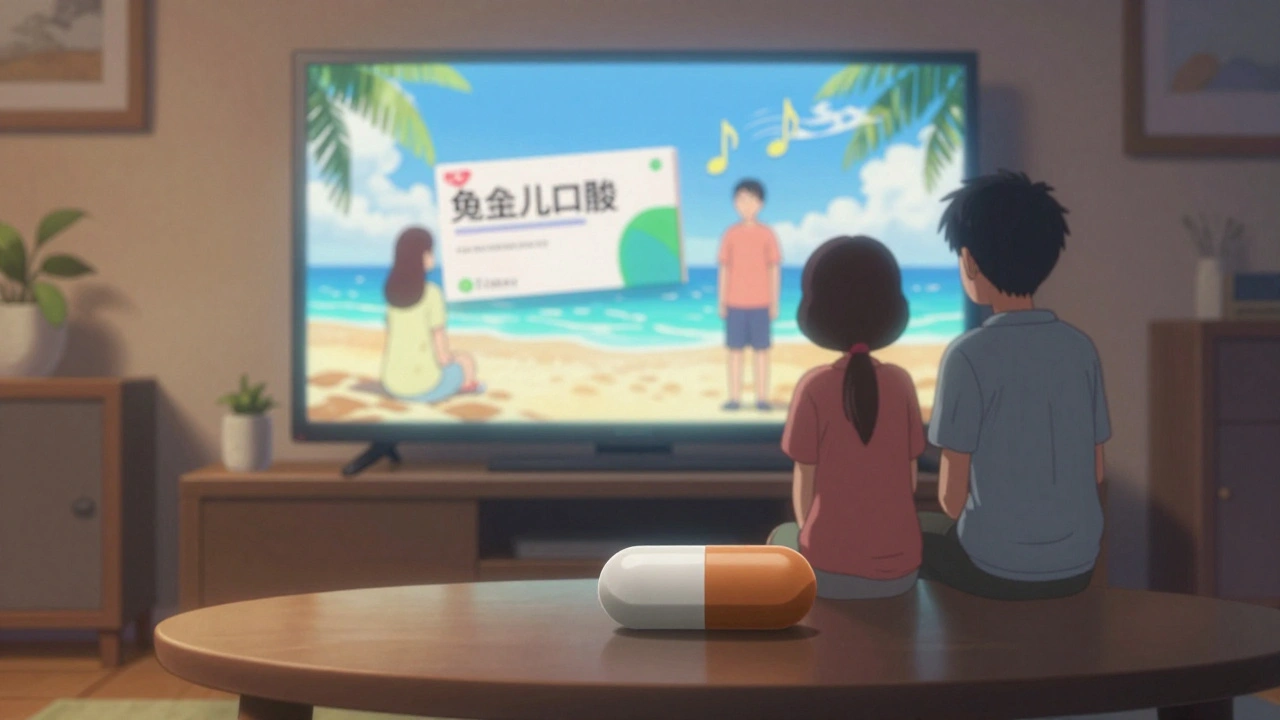
When you see a TV ad for a new cholesterol pill, it doesn’t just sell you a brand name-it shapes what you think about every other pill in that same category. Even the cheap, equally effective ones. This isn’t just marketing. It’s psychology in action, and it’s changing how millions of people choose their medications.
Ads Don’t Just Sell Brands-They Make Generics Feel Like Second Choice
Picture this: You’re watching TV after dinner. A cheerful couple walks along a beach, laughing, as a calm voice says, ‘Say goodbye to high cholesterol with Lipitor.’ The sun glows. The music swells. The screen flashes: ‘Ask your doctor if Lipitor is right for you.’ Now, you’ve just spent 30 seconds feeling like this one drug is the answer to your health worries. But what about the generic version? The one that costs a third of the price and works just as well? You don’t see it. You don’t hear about it. It doesn’t have a beach. It doesn’t have music. It doesn’t have a story.
That’s not an accident. Pharmaceutical companies spend over $6 billion a year in the U.S. on direct-to-consumer (DTC) ads. That’s more than 10 times what they spent in 1996. And almost all of it goes to branded drugs. Generics? They’re invisible. Not because they’re worse. But because they’re not profitable enough to advertise.
So when patients walk into a doctor’s office and ask for ‘that pill from the commercial,’ they’re asking for the brand. Even if the doctor knows the generic is better suited. In one study, physicians reported filling 69% of patient requests for treatments they believed were inappropriate. Many of those requests came from ads. And the result? More prescriptions written for expensive drugs-less for generics, even when they’re the right choice.
The Spillover Effect: How Ads Boost Generic Use (Without Helping Them)
Here’s the twist: advertising for branded drugs actually increases the use of generics too. But not because people choose them. It’s because ads create demand for an entire drug class.
When people see an ad for Lipitor, they start asking for ‘statins.’ Their doctor might prescribe atorvastatin-the generic version. The ad didn’t sell the generic. But it created the need. That’s called the spillover effect. Research shows a 10% increase in advertising leads to a 5% rise in prescriptions for that drug class. About 70% of that rise comes from new patients starting treatment. The other 30%? People already on medication taking it more consistently.
But here’s the catch: the people who start treatment because of an ad? They’re less likely to stick with it. Their adherence rates are lower. They’re more likely to stop taking the medicine because they didn’t understand why they needed it in the first place. The ad sold them hope, not education.
So while advertising pushes more people into treatment overall, it doesn’t make them healthier. It just makes them spend more. And the winners? The companies behind the branded drugs. For every dollar spent on advertising, they get back over $4 in sales.
Why You Remember the Benefits-But Forget the Risks
Think about the last ad you saw. What do you remember? The happy family? The clear sky? The promise of relief?
Now, what about the side effects? The warnings? The small print?
That’s not your fault. It’s by design.
Research from the FDA found that even after watching an ad four times, most people still didn’t remember the risks clearly. Benefits stick. Risks fade. And the reason? Ads are made to feel good. They use bright colors, uplifting music, and smiling people. The side effects? Flash on screen for a second, in a dull voice, over a somber image of someone sitting alone.
Generics don’t get this treatment. They don’t get the happy couple. They don’t get the music. They don’t get the story. So when a patient hears about a drug from an ad, they don’t just think, ‘This works.’ They think, ‘This is better.’ Even if it’s not.
And here’s the scary part: repeated exposure doesn’t fix this. The FDA found that watching an ad more often didn’t improve how accurately people understood the risks. Just how much they remembered. So if you’ve seen the same ad 10 times, you’ll remember the name. But you still won’t know if it’s right for you.
Doctors Are Caught in the Middle
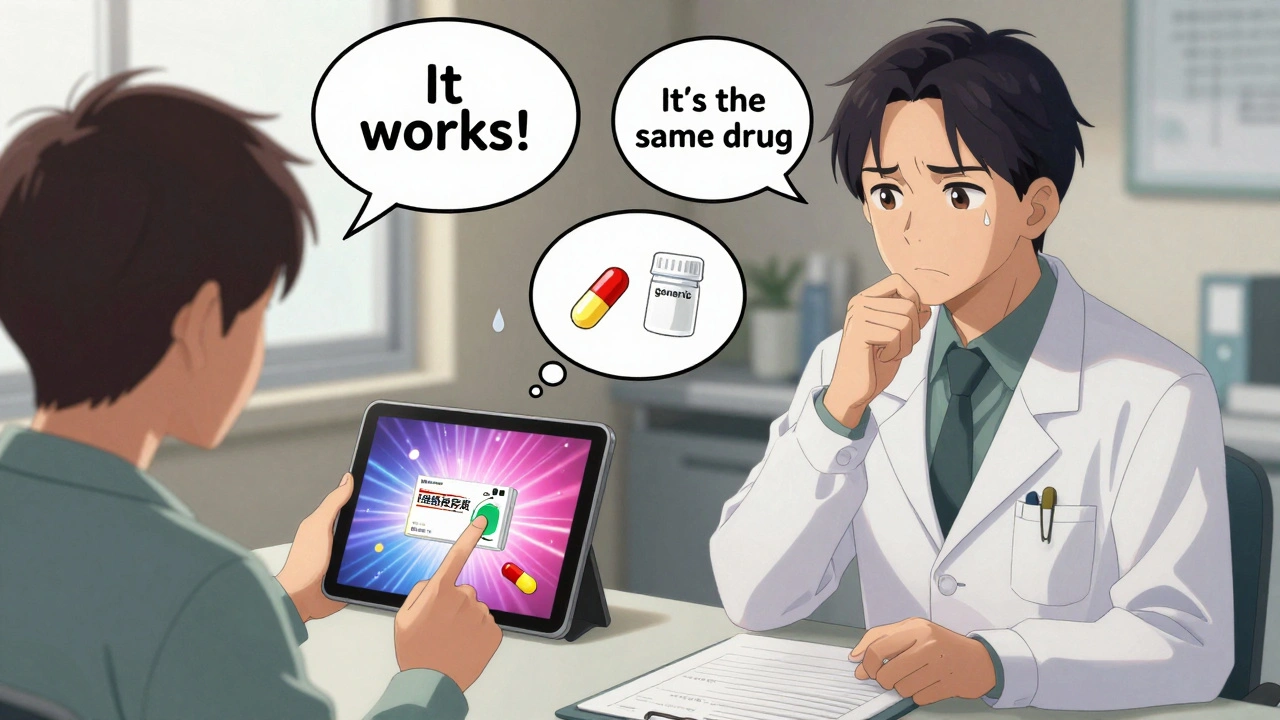
Doctors don’t want to overprescribe. They know generics work. They know cost matters. But when a patient walks in and says, ‘I saw this on TV,’ it’s hard to say no.
One study tested this with actors pretending to be patients. They were trained to ask for specific drugs-either by brand name, by class (like ‘a statin’), or not at all. When patients asked for the branded drug, doctors prescribed it 85% of the time. When they asked for the class, doctors prescribed the generic 60% of the time. When they didn’t ask? Only 15% got any prescription.
That’s not medicine. That’s influence.
Doctors are trained to make decisions based on science. But when patients come in with a script from a TV commercial, the pressure to comply is real. And the result? More branded drugs. Fewer generics. Higher costs. And no better health outcomes.
What’s Really at Stake?
It’s not just about money. It’s about trust.
When people believe branded drugs are superior, they start to distrust generics-even when science says otherwise. That’s dangerous. Especially for older adults, low-income families, or anyone managing chronic conditions. They’re the ones who need affordable, effective treatment the most.
And yet, the system rewards the opposite. Companies spend billions to make you think a branded drug is the only good choice. Meanwhile, the real solution-the generic-is left in the shadows. No ads. No stories. No beach.
It’s not that advertising is all bad. It raises awareness. Some people didn’t know they had high cholesterol until they saw a commercial. That’s valuable. But when awareness is paired with misleading emotion, and when the only option shown is the most expensive one, it doesn’t help. It harms.
What Can You Do?
You don’t have to be a victim of this system.
- When you see an ad, ask: ‘Is there a generic version?’
- Ask your pharmacist: ‘What’s the cheapest option that works the same way?’
- Ask your doctor: ‘Why are you recommending this one? Is there a generic?’
- Don’t assume branded means better. It usually just means more expensive.
Generic drugs aren’t cheap because they’re low quality. They’re cheap because the patent ran out. The active ingredient is the same. The FDA requires them to work just as well. They’re not a backup. They’re the standard.
Next time you’re handed a prescription, check the name. If it’s a brand you’ve seen on TV, ask if the generic is available. You might save hundreds. And you won’t be giving up anything-except the illusion that advertising equals effectiveness.
Are generic drugs really as effective as brand-name drugs?
Yes. The FDA requires generic drugs to have the same active ingredient, strength, dosage form, and route of administration as the brand-name version. They must also meet the same strict standards for quality, purity, and performance. Studies show generics work just as well in treating conditions like high blood pressure, cholesterol, and depression. The only differences are in inactive ingredients (like fillers or dyes) and packaging-neither affects how the drug works in your body.
Why don’t generic drugs have TV commercials?
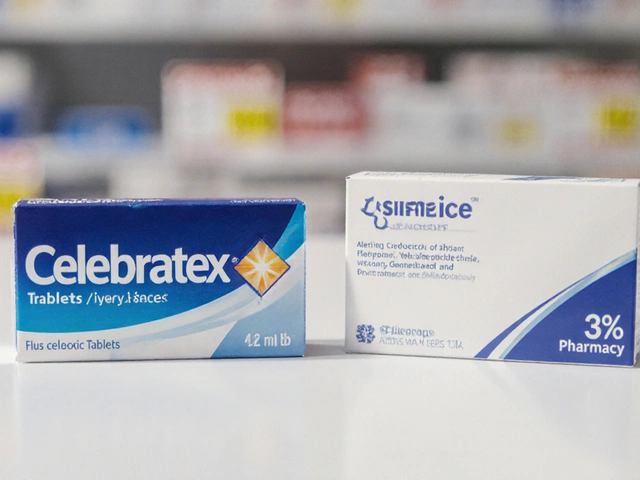
Because they don’t make enough profit to justify the cost. A brand-name drug company spends millions to develop a drug and then uses advertising to recoup those costs and build loyalty. Once the patent expires, multiple companies can make the same generic. No single company owns the drug, so no one wants to pay for ads that will benefit competitors. That’s why you never see an ad for ‘atorvastatin’-but you see dozens for ‘Lipitor.’
Does seeing a drug ad mean I need that medication?
No. Drug ads are designed to create awareness and desire-not to diagnose or recommend treatment. Just because you saw an ad doesn’t mean you have the condition it’s promoting, or that medication is right for you. Many people who start treatment because of ads don’t actually need it. Always talk to your doctor before starting any new medication, even if you’ve seen it on TV.
Why do doctors prescribe branded drugs when generics are available?
Sometimes, it’s because the patient asked for it. Studies show that when patients request a specific brand by name, doctors prescribe it over 80% of the time-even if the generic is cheaper and equally effective. Other times, it’s because the doctor wasn’t aware of the generic option, or the patient’s insurance has restrictions. But it’s rarely because the branded drug is medically superior.
Is it true that advertising increases drug spending without improving health?
Yes. Research from the Wharton School found that while advertising increases the number of prescriptions filled, it only improves adherence among existing patients by 1-2% for every 10% increase in ad exposure. Meanwhile, patients who start treatment because of ads are less likely to stick with them. The result? More spending, no meaningful health gains. Public health experts warn this system prioritizes profit over patient outcomes.
Final Thought: You’re Not Just a Consumer-You’re a Patient
Advertising doesn’t just sell products. It shapes beliefs. And when it comes to your health, those beliefs can cost you money, time, and even safety.
Generics aren’t second-rate. They’re the backbone of affordable care. But they can’t compete with flashy ads. So you have to be the one to fight for them. Ask questions. Do your research. Don’t let a 30-second commercial make your treatment decision for you.
Because when it comes to your health, the best medicine isn’t the one with the best ad.
It’s the one that works-and doesn’t break the bank.



iswarya bala
December 7, 2025 AT 13:56generic drugs r like the quiet kid in class who gets straight A’s but no one notices cuz they dont post selfies lol
Iris Carmen
December 7, 2025 AT 18:56i used to think brand name was better till my grandma switched me to generic for blood pressure and now she’s running marathons at 78. no joke.
Stacy Tolbert
December 8, 2025 AT 17:13you ever notice how the ads make you feel like you’re broken and this pill is your savior? then you find out the generic does the same thing for $3 and you feel kinda used?
Courtney Black
December 10, 2025 AT 13:54the entire pharmaceutical industry is built on manufactured scarcity. they don’t just sell pills-they sell identity. the branded drug isn’t medicine, it’s a status symbol wrapped in a placebo effect. you’re not treating cholesterol-you’re performing wellness. and the generic? it’s the truth you’re too busy scrolling to see. we’ve turned healthcare into a reality show where the only winner is the ad agency.
the beach scene? it’s not selling a drug. it’s selling the fantasy that health is a destination you buy, not a practice you live. and the worst part? the people who need it most can’t afford the fantasy. so they get sick. again. and again. while someone in a suit in Manhattan gets a bonus.
we don’t need more ads. we need more education. but education doesn’t have a 30-second hook. it doesn’t have music. it doesn’t make you cry happy tears. so it gets buried under glitter and smiling couples.
the FDA says generics are equivalent. so why does it feel like we’re being gaslit every time we walk into a pharmacy? because the system is designed to make you doubt your own intelligence. and that’s the real drug.
you think you’re choosing Lipitor because it’s better. but you’re choosing it because you were manipulated into believing you’re not smart enough to choose otherwise.
the spillover effect? it’s not a win for generics. it’s a win for the illusion that advertising equals legitimacy. the system doesn’t care if you’re healthy. it cares if you keep buying.
we’ve outsourced our health decisions to TV commercials and then wonder why we’re broke and sick. the answer’s in the fine print. and no one reads it because they’re too busy being sold a dream.
the real question isn’t why generics don’t advertise. it’s why we let them get away with it.
Asset Finance Komrade
December 11, 2025 AT 11:16interesting. but let’s be real-ads don’t create demand. they amplify existing anxiety. the problem isn’t advertising. it’s that we’ve let capitalism dictate our relationship with medicine. 🤷♂️💊
Jennifer Blandford
December 11, 2025 AT 18:15OMG I JUST REALIZED-my mom’s been taking generic metformin for 10 years and she’s got more energy than my yoga instructor. no beach. no music. just pure, quiet, affordable science. 🙌
om guru
December 13, 2025 AT 07:15the data is clear. advertising increases utilization but not adherence. doctors are pressured by patient expectations. this is not a medical issue. it is a systemic failure of public health communication. the solution requires policy intervention and patient education. no exceptions
Raja Herbal
December 14, 2025 AT 14:41so let me get this straight... we pay billions so people think a pill with a pretty logo is better than the exact same pill in a plain bottle? and we wonder why healthcare is broken? 🤡
Brianna Black
December 16, 2025 AT 11:01as an Indian-American woman who grew up with my abba saying 'if it works, why pay more?'-I can’t believe we still live in a world where a 30-second ad can make someone choose a $200 pill over a $5 one. this isn’t just economics. it’s emotional manipulation. and it’s time we called it out.