ADHD & MAOI Interaction Risk Estimator
Select medications to view risk analysis.
Imagine taking two medications that seem harmless on their own. One helps you focus at work; the other lifts a heavy fog of depression. Now imagine those same two drugs turning against your body, spiking your blood pressure to dangerous levels in minutes. This isn’t a hypothetical nightmare scenario-it’s the real risk behind combining ADHD stimulants with MAOIs (Monoamine Oxidase Inhibitors).
For decades, doctors have treated this combination as strictly forbidden. But if you’re reading this, you might be in a complex situation where both treatments feel necessary. Maybe you’ve tried everything for treatment-resistant depression, or perhaps your ADHD symptoms are so severe they disrupt your daily life despite being on an MAOI. The stakes are high. We’re talking about risks like stroke, heart attack, and even death. Yet, modern psychiatry is starting to ask harder questions: Is the danger always absolute? Can it ever be managed safely?
The Chemistry Behind the Danger
To understand why this mix is so volatile, we need to look at what these drugs do inside your brain and body. It comes down to neurotransmitters-chemical messengers that control mood, attention, and alertness.
MAOIs are older antidepressants that block an enzyme called monoamine oxidase. This enzyme normally breaks down excess neurotransmitters like serotonin, norepinephrine, and dopamine. When you take an MAOI, those chemicals stay active longer. That’s great for lifting depression, but it means your body has less capacity to handle sudden surges of these chemicals.
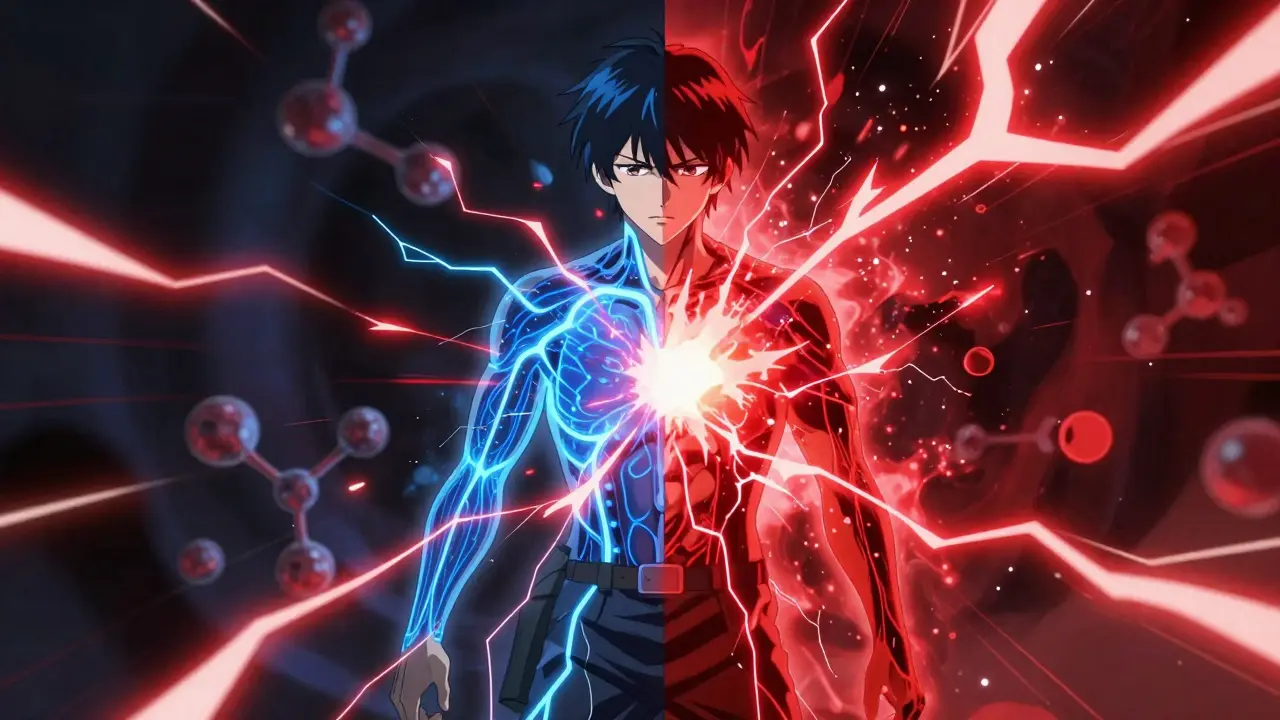
ADHD stimulants, such as amphetamines and methylphenidate, work by flooding your synapses with dopamine and norepinephrine. They force your nerves to release more of these chemicals and stop them from being reabsorbed. On their own, this boost helps you focus. But when you combine them with an MAOI, you get a double whammy. The MAOI prevents the breakdown of the very chemicals the stimulant is pumping into your system.
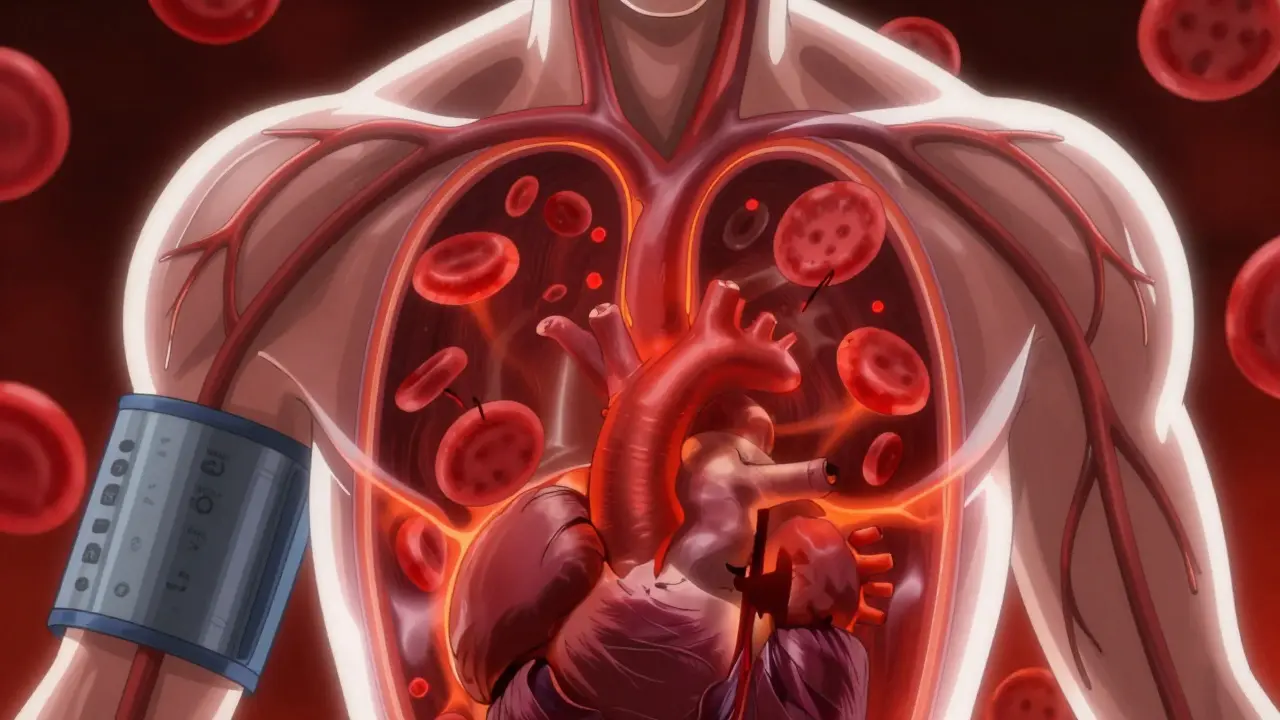
The result? A massive accumulation of norepinephrine. This triggers extreme vasoconstriction-your blood vessels clamp down tightly. Your blood pressure can skyrocket to systolic readings above 180 mmHg and diastolic readings over 110 mmHg. This is a hypertensive crisis. It’s not just a bad headache. It can lead to intracranial hemorrhage, aortic dissection, or hypertensive encephalopathy within hours.
Not All MAOIs Are Created Equal
If you’re considering this combination, knowing which specific MAOI you’re on matters immensely. Not all Monoamine Oxidase Inhibitors carry the same level of risk.
| MAOI Type | Examples | Risk Level with Stimulants | Key Constraint |
|---|---|---|---|
| Irreversible Non-Selective | Tranylcypromine, Phenelzine | High | Strict tyramine-free diet required |
| Reversible (RIMA) | Moclobemide | Low | Minimal interaction at therapeutic doses |
| Selective MAO-B (Transdermal) | Selegiline (Emsam) | Moderate/Low* | Dietary restrictions lift at ≤6 mg/24h dose |
Tranylcypromine and Phenelzine are the oldest and most potent MAOIs. They irreversibly inhibit both MAO-A and MAO-B enzymes. Because they block MAO-A in the gut, they also prevent the breakdown of tyramine-a substance found in aged cheeses, cured meats, and tap beers. If you eat these foods while on these drugs, you risk a "cheese reaction," which is essentially a mild hypertensive crisis. Add a stimulant to this mix, and you compound the risk significantly. A 2023 case report from Cleveland Clinic documented a patient who developed severe hypertension (systolic BP 210 mmHg) after combining tranylcypromine with dextroamphetamine.
Selegiline, particularly in its transdermal patch form (Emsam), offers a different profile. At low doses (up to 6 mg/24 hours), the patch selectively inhibits MAO-B in the peripheral tissues without affecting MAO-A in the gut. This means patients don’t need to avoid tyramine-rich foods. While the FDA still warns of rare hypertensive reactions, the risk is substantially lower than with oral phenelzine. This makes Emsam the preferred choice for clinicians who might consider adding a stimulant later.
Moclobemide is a reversible inhibitor used primarily outside the US. Because its inhibition is temporary, the body can still break down amines if concentrations get too high. Clinical studies suggest it has minimal interaction with stimulants, making it a safer theoretical option, though availability limits its use in many regions.
Stimulant Variations: Amphetamines vs. Methylphenidate
Not all ADHD medications pose the same threat when paired with MAOIs. The type of stimulant plays a crucial role in the severity of the interaction.
Amphetamines (including Adderall, Vyvanse, and dextroamphetamine) cause the direct release of norepinephrine and dopamine from nerve terminals. This aggressive push of neurotransmitters creates a higher surge of adrenergic activity. Dr. Joseph Barnett, clinical director at Cleveland Clinic, notes that amphetamines raise blood pressure significantly on their own. When combined with an MAOI that prevents the cleanup of these chemicals, the effect can be extreme.
Methylphenidate (Ritalin, Concerta) works differently. It primarily blocks the reuptake of dopamine and norepinephrine rather than forcing their release. While it still increases synaptic concentrations, the mechanism is slightly less aggressive on the noradrenergic system compared to amphetamines. Some experts argue that methylphenidate presents a marginally lower risk profile, though the FDA contraindication applies to both classes equally.
A 2022 meta-analysis of 137 clinical trials showed that ADHD medications typically increase systolic blood pressure by 2-4 mmHg and heart rate by 3-6 bpm on average. However, individual responses vary wildly. Some patients see spikes exceeding 15 mmHg systolic. In the context of an MAOI, even a small spike can tip the balance toward a crisis.
The Official Stance vs. Clinical Reality
Here is where things get tricky. The official guidelines are black and white, but real-world medicine is often gray.
The FDA maintains an absolute contraindication. The package inserts for all stimulant medications feature a Black Box Warning-the strictest warning available. It states clearly: "Concomitant use of MAOIs and CNS stimulants can cause hypertensive crisis... Clinicians must not administer stimulants concomitantly or within 14 days after discontinuing MAOI treatment." This 14-day washout period is critical because it takes time for your body to regenerate new monoamine oxidase enzymes. Until then, the risk remains high.
However, some leading psychiatrists challenge this blanket ban. Dr. Richard Friedman from Weill Cornell Medicine points out that in his 15 years of practice, he has overseen over 200 cases of combination therapy without any incidents of hypertensive crisis. He argues that the actual incidence of crisis is exceedingly rare when proper precautions are taken. Similarly, a Harvard Medical School review noted a lack of recent documentation of fatalities when stimulants were cautiously added to MAOIs.
Why the discrepancy? Most data comes from adverse event reports, which capture the worst outcomes. Successful, uneventful combinations rarely make headlines. This creates a perception bias where the risk seems more common than it might be in controlled settings. Nevertheless, the American Psychiatric Association’s 2022 Practice Guideline explicitly lists concurrent use as a "strong recommendation against" due to the high quality of evidence regarding potential harm.
Safety Protocols for High-Risk Cases
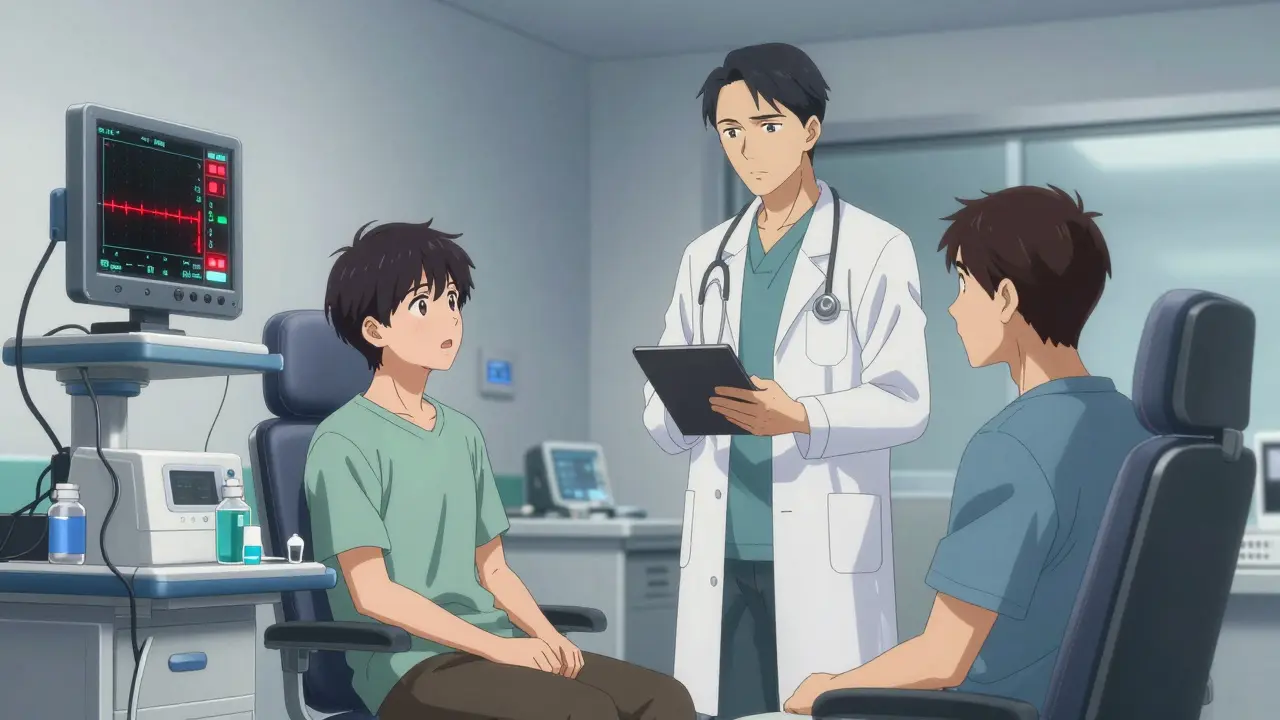
If you fall into the small percentage of patients where neither monotherapy works, and a specialist decides to proceed with combination therapy, safety protocols are non-negotiable. This is not a DIY approach.
- Start Low: Clinicians typically begin stimulants at 10-25% of the standard dose. For example, instead of 10 mg of methylphenidate, you might start with 2.5 mg. This minimizes the initial surge of neurotransmitters.
- Frequent Monitoring: Blood pressure must be checked every 15-30 minutes during the initial dose escalation phase. Any sign of a spike requires immediate cessation of the stimulant.
- Home Monitoring: Patients are often provided with home blood pressure monitors to track readings throughout the day, not just in the clinic.
- Dietary Discipline: Even with selective MAOIs, avoiding high-tyramine foods is a prudent safety measure during the stabilization period.
- Exclude Comorbidities: Patients with pre-existing hypertension, cardiovascular disease, or anxiety disorders are generally excluded from these trials due to elevated baseline risks.
A 2017 case series from Massachusetts General Hospital demonstrated this approach. Twelve patients with treatment-resistant depression and comorbid ADHD were started on lisdexamfetamine (Vyvanse) at 10 mg/day while on MAOIs. With weekly blood pressure monitoring and careful titration, no hypertensive episodes occurred over six months. This suggests that under strict academic supervision, the combination can be managed-but "strict" is the key word.
Alternatives to Consider First
Before risking a hypertensive crisis, explore alternatives that address both conditions without the dangerous interaction. Many patients find relief through non-stimulant options or different antidepressant classes.
- Non-Stimulant ADHD Medications: Atomoxetine (Strattera) and Guanfacine (Intuniv) do not carry the same hypertensive risk as amphetamines. Atomoxetine is an SNRI that targets norepinephrine but lacks the acute pressor effects of stimulants. It is generally considered safer to combine with MAOIs, though caution is still advised.
- Switching Antidepressants: If possible, transitioning from an MAOI to an SSRI (like Sertraline or Escitalopram) or an SNRI (like Venlafaxine) eliminates the MAOI interaction entirely. SSRIs are the first-line treatment for depression and have a much wider safety margin with stimulants.
- Bupropion: This atypical antidepressant affects dopamine and norepinephrine but is not an MAOI. It is often used off-label for ADHD and can sometimes be combined with other therapies, though it lowers the seizure threshold, so it requires its own set of precautions.
The decline in MAOI usage-from 5% of prescriptions in 2000 to less than 1% in 2023-reflects this shift. Most patients now manage depression with newer agents that allow for more flexible ADHD treatment options.
How long should I wait after stopping an MAOI before starting ADHD medication?
You must wait at least 14 days after discontinuing an irreversible MAOI like phenelzine or tranylcypromine before starting any stimulant. This allows your body enough time to regenerate sufficient monoamine oxidase enzymes to metabolize the neurotransmitters released by the stimulant. For reversible MAOIs like moclobemide, the washout period may be shorter, but you should always follow your doctor's specific instructions.
Can I take Vyvanse with Emsam (transdermal selegiline)?
While the FDA labeling for Emsam notes that dietary restrictions are lifted at doses ≤6 mg/24h due to selective MAO-B inhibition, it still carries warnings about hypertensive reactions. Combining Vyvanse (an amphetamine prodrug) with Emsam is technically contraindicated but may be attempted in highly specialized clinical settings with rigorous blood pressure monitoring. It is not safe for self-medication.
What are the symptoms of a hypertensive crisis?
Symptoms include severe headache, stiff neck, nausea, vomiting, blurred vision, chest pain, shortness of breath, and anxiety. If your blood pressure exceeds 180/110 mmHg and you experience these symptoms, seek emergency medical attention immediately. Do not wait to see if it passes.
Are there any safe ADHD medications to take with MAOIs?
Atomoxetine (Strattera) is often considered a safer alternative to stimulants when combined with MAOIs, as it does not cause the same rapid release of norepinephrine. However, it still affects norepinephrine levels, so caution and monitoring are required. Always consult your psychiatrist before combining any ADHD medication with an MAOI.
Why are MAOIs rarely prescribed anymore?
MAOIs are rarely prescribed due to their significant side effect profile, including dietary restrictions (tyramine avoidance) and dangerous drug interactions like the one with stimulants. Newer antidepressants like SSRIs and SNRIs are easier to use, have fewer dietary constraints, and interact more safely with other common medications. MAOIs are now typically reserved for treatment-resistant depression where other options have failed.
Navigating the intersection of ADHD and treatment-resistant depression is incredibly difficult. The desire for relief is understandable, but the chemistry involved here is unforgiving. While modern psychiatry explores nuanced approaches, the default position remains clear: avoid mixing ADHD stimulants and MAOIs unless you are under the direct, intensive care of a specialist who understands the profound risks involved. Your health is worth the extra caution.