You pack your toothbrush, your passport, and that specific allergy pill you’ve taken for years. But when you land abroad or browse the web for cheaper prescriptions, are you actually getting what you paid for? It’s a scary thought, but it happens more often than you might think. The global market for falsified medical products is estimated at $30 billion annually, with online sales driving most of that growth since 2020.
Buying medication from foreign markets-whether through sketchy websites or street vendors while traveling-carries serious risks. You aren't just risking your wallet; you're risking your life. Counterfeit pills can contain no active ingredient, wrong doses, or even deadly substances like fentanyl. This guide breaks down how to spot these dangers, verify legitimate sources, and keep yourself safe without breaking the bank.
The Hidden Dangers of Foreign Medication Markets
Why do people buy meds abroad? Usually, it’s about cost. Domestic prices for prescription drugs can be astronomical, especially in countries without universal healthcare. However, the World Health Organization (WHO) warns that substandard and falsified medicines are a major public health threat. In low- and middle-income countries, an estimated 1 in 10 medical products is counterfeit.
The danger isn't always obvious. A fake pill looks exactly like the real thing. It has the same logo, the same color, and the same imprint. But inside? It could be chalk, flour, or worse. The European Medicines Agency (EMA) recently warned about a sharp rise in illegal GLP-1 receptor agonists (like semaglutide) being sold online for weight loss. These fake drugs might not contain the active substance at all, leading to treatment failure, or they might contain harmful contaminants that cause unexpected side effects.
Consider the case documented by the U.S. Drug Enforcement Administration (DEA). A victim ordered what she believed was oxycodone from an online pharmacy. Instead, she received pills laced with fentanyl. She died days later from acute poisoning after taking just one pill. This isn’t an isolated incident. It’s a reminder that illegal supply chains have zero quality control.
What makes foreign medication markets so risky?
Foreign medication markets bypass regulatory oversight. Products may be counterfeit, substandard, or falsified, containing incorrect ingredients, wrong dosages, or toxic substances. There is no guarantee of safety, efficacy, or proper storage conditions during transport.
Spotting Red Flags in Online Pharmacies
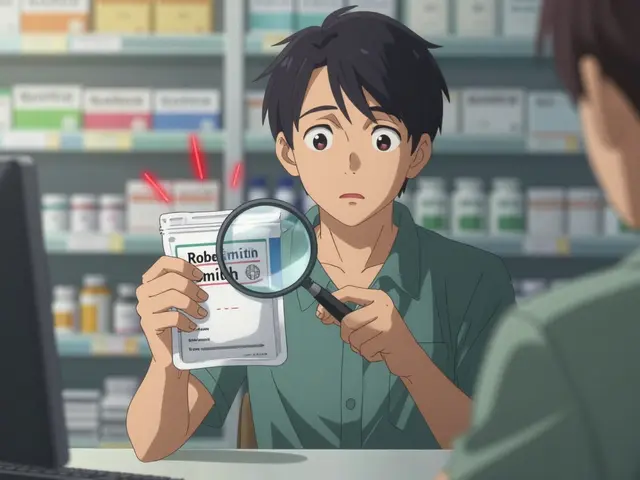
Most illegal medication purchases happen online. Criminal networks use social media ads, search engine optimization tricks, and fake reviews to lure customers. Here’s how to tell if a website is legit or a trap:
- No Prescription Required: If a site sells prescription-only drugs without asking for a valid prescription from a licensed doctor, it’s illegal. Legitimate pharmacies always require this step to ensure safety.
- Unusually Low Prices: If the price seems too good to be true, it probably is. While discounts exist, massive drops in price often indicate counterfeit goods.
- Foreign Currency or Addresses: Be wary if the site lists prices in a foreign currency or provides a physical address that doesn’t match its claimed location. Many "Canadian" pharmacies actually ship from countries with weaker regulations, such as India or Turkey.
- Lack of Verification Seals: Look for trusted verification programs. In the U.S., the Verified Internet Pharmacy Practice Sites (VIPPS) seal is a gold standard. Only 68 pharmacies held this certification as of October 2024.
- Social Media Ads: The EMA noted hundreds of fake Facebook profiles selling illegal meds. If you see a pop-up ad for cheap weight-loss drugs or antibiotics on social media, close it immediately.
The DEA also points out that illegal sites often lack proof of state licenses or DEA registration. They might deliver packages in broken boxes or with labeling in a language you don’t understand. Always check for a licensed pharmacist available for consultation. Real pharmacies have professionals ready to answer questions about interactions and dosage.
Understanding the Gray Market and Parallel Imports
Not all foreign medications are outright counterfeits, but some come from the "gray market." This involves parallel importation-buying drugs in one country where they’re cheaper and selling them in another where they’re expensive. While this sounds like a win for consumers, it creates vulnerabilities.
Britain’s Medicines and Healthcare products Regulatory Agency (MHRA) has issued six drug recalls since 2007 because counterfeit drugs entered the legitimate supply chain through parallel imports. When drugs change hands multiple times across borders, tracking becomes difficult. The Drug Supply Chain Security Act (DSCSA) in the U.S. aims to track drugs from manufacturer to pharmacy, but importing foreign packages mixes unverified products into the system.
Dr. Scott Gottlieb, former FDA Commissioner, noted that Canada acknowledged its inability to monitor the safety of medicines destined for the United States. So, even if you trust the source country, the journey itself introduces risk. Tampering, improper storage, and expiration date manipulation are common issues in complex supply chains.
| Feature | Legitimate Pharmacy | Illegal/Gray Market |
|---|---|---|
| Prescription Requirement | Always required | Often waived or optional |
| Pricing | Competitive but realistic | Extremely low, "too good to be true" |
| Verification | VIPPS, national authority lists | Fake seals, no verifiable license |
| Contact Info | Physical address, phone, pharmacist chat | Email only, no physical presence |
| Packaging | Intact, local language labels | Damaged, foreign language, missing info |
Practical Steps to Verify Medication Sources
So, how do you stay safe? Start by using official resources. The EMA advises checking registers of national authorities for legal online retailers. In the U.S., use the NABP’s Not Recommended List, which contains over 12,000 illegal websites. New scams appear daily, so check before you click.
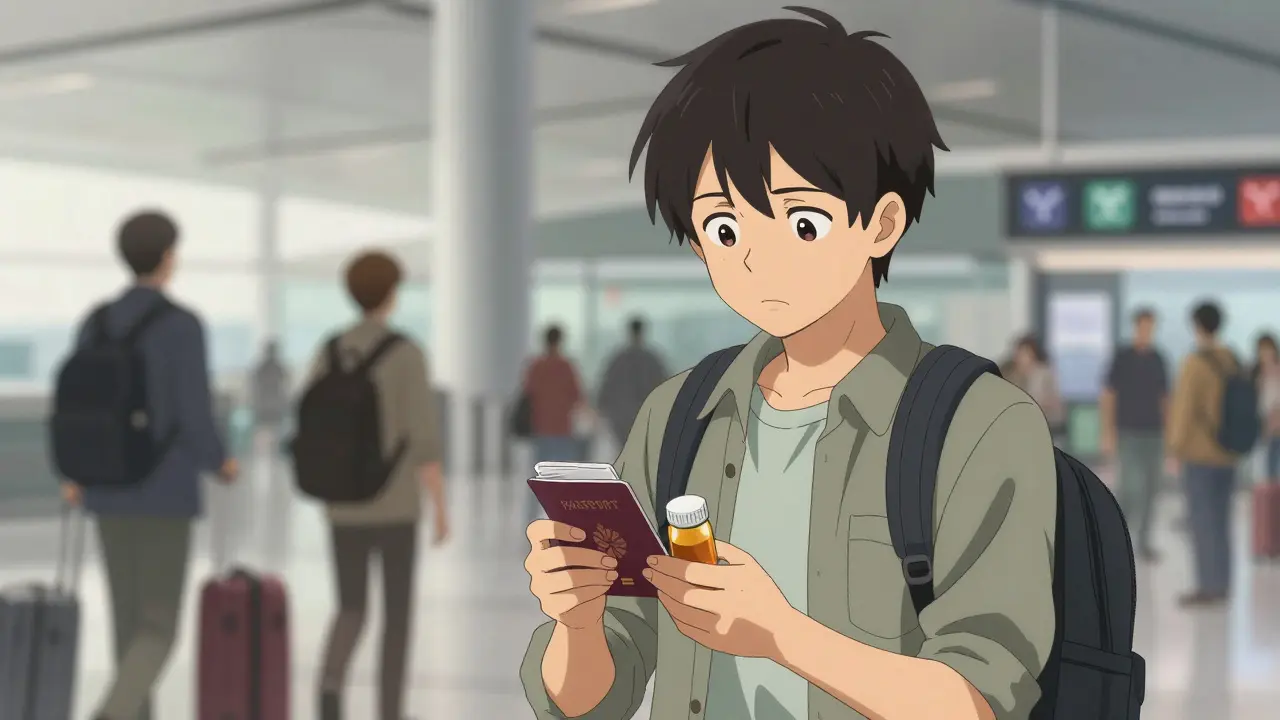
If you’re traveling, talk to your doctor beforehand. Ask if your medication is approved in your destination country. Some drugs are legal in the U.S. but banned elsewhere. Carry medications in their original packaging with clear labeling. Bring a copy of your prescription and a letter from your doctor explaining your condition and need for the medication.
Avoid buying meds from street vendors, hotel concierges, or unofficial kiosks. Even if they look professional, they lack regulatory oversight. The WHO recommends inspecting packaging for signs of tampering, verifying manufacturing dates, and ensuring labels are in a language you understand. If something feels off, trust your gut.
For chronic conditions, consider patient assistance programs or generic alternatives within your home country. Many manufacturers offer coupons or sliding-scale fees. Generic drugs are rigorously tested to be bioequivalent to brand-name versions, offering significant savings without the risk of counterfeits.
The Role of Regulation and Future Threats
Regulators are fighting back, but criminals are adapting. Interpol’s Operation Pangea XXVII in 2024 led to 13,000 arrests and the seizure of 21 million illicit medical products across 92 countries. Yet, the problem persists. Dr. Margaret Hamburg, former FDA Commissioner, warned that criminal networks are increasingly using AI to create convincing fake websites and social media campaigns.
The EU implemented the Falsified Medicines Directive (FMD) in 2019, requiring safety features like unique identifiers on prescription medicine packaging. This helps trace drugs and prevent counterfeits from entering the supply chain. However, many developing nations lack similar systems, creating safe havens for illegal operators.
The root cause remains access. A Kaiser Family Foundation survey found that 68% of U.S. consumers considered buying meds abroad due to high domestic prices. Addressing this requires systemic change, including better insurance coverage and price transparency. Until then, individual vigilance is your best defense.
Is it safe to buy medication from Canadian pharmacies?
Many websites claim to be Canadian, but often ship from other countries with lower regulatory standards. The AMA Journal of Ethics confirmed that drugs labeled as "from Canada" may originate from India, Turkey, or Southeast Asia. Always verify the pharmacy's actual location and licensing through official channels like VIPPS or CIPA.
What should I do if I suspect my medication is counterfeit?
Stop taking the medication immediately. Contact your healthcare provider for advice and alternative treatment. Report the incident to relevant authorities, such as the FDA MedWatch program in the U.S. or your national medicines agency. Keep the packaging and any remaining pills for testing.
Can I bring prescription medication back from abroad?
Laws vary by country. In the U.S., you can generally bring personal-use quantities of medication, but it must be declared to Customs. Some drugs are controlled substances and require prior approval. Check with your embassy and the destination country’s health ministry before traveling. Never import large quantities for resale.
How do counterfeit drugs affect global health?
Counterfeit drugs contribute to treatment failures, antibiotic resistance, and increased healthcare costs. The WHO notes that substandard antimalarials have led to malaria treatment failures in Africa. Globally, adverse events from counterfeit meds added $67 billion in costs to the U.S. health system in 2022 alone.
Are generic medications safer than buying abroad?
Yes. Generic medications approved by regulatory bodies like the FDA or EMA undergo rigorous testing to ensure they are bioequivalent to brand-name drugs. They offer significant cost savings without the risks associated with unregulated foreign sources. Always consult your doctor before switching to generics.
Next Steps for Safe Medication Management
Avoiding illegal medication purchases starts with awareness. Educate yourself on red flags, verify sources through official channels, and prioritize safety over savings. If cost is a barrier, explore patient assistance programs, generic options, or community health clinics. Your health is worth protecting. Don’t gamble with your well-being on unverified foreign markets.