
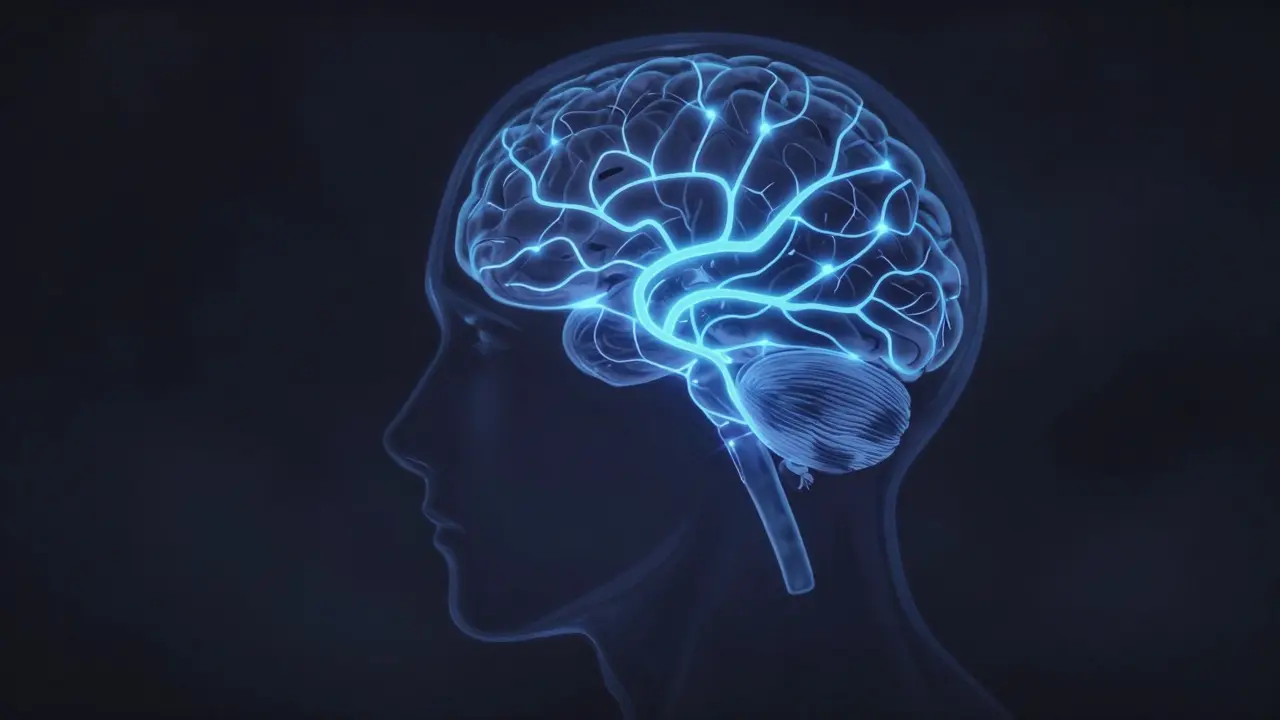
Epilepsy affects roughly 50 million people worldwide, making it one of the most common neurological conditions on the planet. Despite its prevalence, many patients still struggle to understand the difference between a one-time seizure and chronic epilepsy, let alone navigate the complex world of antiepileptic medications. With the International League Against Epilepsy updating their classification system recently in 2025, there is more clarity available than ever before. However, the gap between clinical guidelines and patient understanding remains wide.
This guide aims to simplify that complexity. We will walk through the primary seizure types defined in the latest standards, explore what actually triggers episodes, and discuss how medications are selected based on those specific classifications. Accuracy here isn't just academic; getting the diagnosis wrong can lead to inappropriate treatment choices in nearly a third of cases. Let's look at the core concepts you need to know.
Understanding Seizure Types: The 2025 Update
To manage epilepsy effectively, you first need to know exactly which type of seizure you are dealing with. For years, terms like 'partial seizure' were common, but terminology has evolved to match our better understanding of brain biology. The 2025 Classification Update, maintained by the International League Against Epilepsy (ILAE), streamlined the number of named seizure types from 63 down to 21. This reduction was designed to improve utility in everyday clinical practice.
The system currently recognizes four main classes: Focal, Generalized, Unknown, and Unclassified. Most diagnoses fall into the first two buckets. Focal seizures originate in one network within one side of your brain. In contrast, generalized seizures involve both sides of the brain simultaneously from the onset.
| Seizure Class | Origin of Activity | Patient Awareness | Prevalence |
|---|---|---|---|
| Focal | One hemisphere | Aware or Impaired | ~60% of cases |
| Generalized | Both hemispheres | Always impaired/unconscious | ~30% of cases |
| Unknown | Onset unclear | Varies | 5-7% of cases |
Within the focal category, a critical distinction exists regarding consciousness. You might experience a Focal Aware seizure, meaning you stay connected to your surroundings despite symptoms. Alternatively, you could have a Focal Impaired Awareness seizure, previously called complex partial. This distinction matters because awareness dictates safety risks during an episode. Additionally, the updated system replaced 'motor' and 'non-motor' labels with observable versus non-observable manifestations, helping doctors describe what they see versus what the patient feels internally.
Identifying Triggers and Patterns
Not everyone with epilepsy knows when a seizure is coming, but recognizing patterns can significantly reduce frequency. While some seizures occur spontaneously, others are provoked by specific environmental or physiological factors. One well-documented trigger is sleep deprivation. Data suggests that missing significant amounts of sleep lowers the threshold for seizure activity, particularly in those prone to generalized tonic-clonic events.
Stress is another major culprit. The body's response to high-stress situations floods the system with hormones that can irritate neuronal pathways. Visual stimuli also play a role for a smaller subset of patients. Flashes of light or specific visual patterns, often referred to as photosensitivity, can induce seizures in roughly 3% of people with epilepsy. Alcohol consumption and missing medication doses are other common pitfalls.
Psychogenic Non-Epileptic Seizures are also important to consider. These mimic epileptic seizures but do not stem from abnormal electrical discharges. They account for about 20-30% of cases referred to specialized monitoring units. Distinguishing between these and true Epilepsy is vital, as the treatments are entirely different.Maintaining a seizure diary helps track these variables. If you record sleep quality, stress levels, and timing alongside every event, patterns often emerge. For example, noticing clusters of seizures always happen around menstrual cycles points toward hormonal influences, requiring a different management approach than sporadic stress-induced events.

Antiepileptic Medications and Selection
When medications come into play, precision becomes life-saving. Antiepileptic Drugs (AEDs) work primarily by stabilizing the electrical activity in the brain. They don't cure epilepsy; they control it. Because of this, choosing the right drug relies heavily on the seizure classification we discussed earlier.
Using the wrong medication for the wrong seizure type can actually worsen the condition. For instance, treating absence seizures with certain drugs meant for focal seizures can cause them to increase in frequency. About 27% of misclassifications lead to inappropriate medication choices according to neurology guidelines. This highlights why you need an accurate diagnosis before starting therapy.
Common options include Sodium Channel Blockers, Calcium Channel Modulators, and GABA Receptor Enhancers. The specific chemical targets differ based on whether the goal is stopping rapid firing in focal networks or synchronizing large-scale brain activity. Adherence is equally critical. Accurate classification correlates with higher medication adherence rates-up to 34% improvement-because patients trust the regimen when they understand how it fits their specific brain pathology.
The Diagnostic Pathway
Getting a reliable diagnosis usually follows a structured path. The Electroencephalogram (EEG) is the cornerstone tool. It records electrical impulses from your scalp to find evidence of abnormal brain waves. However, EEGs only have a short window. Since the test runs for a limited time, abnormalities might not show up if no seizure occurs during that period.
For complex cases, Video EEG monitoring offers a longer observation window. This allows clinicians to capture the onset of a seizure and correlate the physical movements with the electrical spikes. Combined with Magnetic Resonance Imaging (MRI), doctors can locate structural causes, such as scar tissue or lesions in the temporal lobe.
The timeline for diagnosis is often frustratingly long. Patient surveys indicate an average delay of 2.3 years between symptom onset and accurate diagnosis. Misdiagnosis is common, occurring in 15-20% of initial assessments, with temporal lobe epilepsy frequently mistaken for generalized epilepsy. Rushing to conclusions without proper imaging and monitoring often costs patients valuable time in effective management.

Patient Experience and Communication
You are the expert on your own health, even when facing technical jargon. Terminology changes constantly. Terms shifting from 'simple partial' to 'focal aware' can confuse long-term patients who just want stability. About 76% of survey respondents reported inconsistent terminology between providers. This inconsistency can disrupt care coordination when switching doctors or specialists.
Building a partnership with your care team involves asking specific questions. Don't hesitate to ask 'What is my seizure onset?' instead of accepting a vague label. Understanding the 2025 classification hierarchy gives you leverage in appointments. When you know the specific class, you can research the appropriate guidelines and discuss them with confidence. This shifts the dynamic from passive reception to active management.
Social support plays a massive role here too. Organizations like the Epilepsy Foundation provide resources that help decode medical records. Engaging with community groups allows you to share practical tips on managing side effects or navigating insurance hurdles. Knowledge empowers you to spot red flags early.
Future Directions in Management
The landscape is evolving rapidly. We are seeing the integration of AI tools to assist in classification. A digital tool scheduled for release soon promises to improve diagnostic accuracy by 18% for non-specialists. This technology analyzes witness descriptions and video feeds to suggest likely categories, reducing human error.
Furthermore, genetic testing is becoming central to the framework. By 2028, classification systems may incorporate biomarker data directly. This moves us toward personalized medicine where drugs are chosen based on your genetic profile rather than a trial-and-error method. Pilot studies are already underway at major research centers exploring how specific gene mutations predict drug responses.
While exciting, today's reality requires you to master the current standard. Understand the ILAE 2025 updates, watch for your specific triggers, and maintain open communication regarding medication side effects. Small adjustments in daily habits can yield significant reductions in seizure burden.
Can lifestyle changes reduce seizure frequency?
Yes, managing triggers is essential. Prioritizing regular sleep schedules, managing stress through relaxation techniques, and avoiding known sensory triggers like flashing lights can lower the seizure threshold. Consistency in medication intake is the single most effective behavioral change.
How is epilepsy diagnosed definitively?
Diagnosis typically requires at least two unprovoked seizures over 24 hours apart. Clinicians use a combination of clinical history, EEG recordings to detect abnormal brain waves, and MRI scans to identify structural causes in the brain.
Why does seizure classification matter for medication?
Different seizure types respond to different drug mechanisms. Using the wrong class of medication can fail to stop seizures or potentially worsen them. Accurate classification ensures the drug targets the specific electrical pathway causing the event.
Are psychogenic seizures treated with epilepsy meds?
No, psychogenic non-epileptic seizures (PNES) are not caused by abnormal electrical activity. They require psychological interventions and counseling rather than antiepileptic drugs, making correct differentiation critical.
What should I do if I suspect a new seizure type?
Document the event with details on timing, behavior, and recovery. Contact your neurologist immediately to reassess your diagnosis, as changing seizure patterns may indicate a need for treatment adjustment.




Tommy Nguyen
March 27, 2026 AT 04:23sleeep deprivation is a massive trigger that everyone should watch for since it lowers the seizure threshold quickly
walker texaxsranger
March 28, 2026 AT 02:41pharmaceutical industry pushes aeds without addressing root cause genetic markers ignored by mainstream medicine patients suffer from side effects instead of cure they want us dependent on sodium channel blockers forever big pharma narrative continues unchecked
Kameron Hacker
March 29, 2026 AT 21:22Your assertion regarding pharmaceutical malfeasance lacks empirical foundation despite your apparent confidence in alternative narratives clinical guidelines prioritize patient safety through evidence-based medication adherence dismissing established protocols invites unnecessary risk which is negligent behavior in healthcare contexts
Monique Louise Hill
March 30, 2026 AT 04:53prioritize mental health over meds immediately because you should never ignore the psychological aspect of epilepsy 🚫💊👀
Sarah Klingenberg
March 31, 2026 AT 23:39keeping a diary helps spot patterns early and avoids stress spikes so everyone should try tracking their own history :) good luck with the new classification system updates too
Shawn Sauve
April 1, 2026 AT 16:08that sounds like solid advice thanks for sharing the tip :) keep up the good work
Paul Vanderheiden
April 3, 2026 AT 08:36hey everyone i just wanted to jump in and share how much this helped me personally dealing with seizures has been tough lately but understanding focal aware versus impaired awareness made a huge difference in my daily life i stopped blaming myself when things got weird during episodes knowing its biology not fault now i track sleep better too because missing rest definitely lowers my threshold for firing neurons im trying hard to stick to the schedule every night without exception doctors tell us consistency is key and i believe them wholeheartedly medication adherence feels easier when i know why im taking specific blockers instead of random pills confusion used to be the biggest enemy before reading updates like this i feel more empowered going to appointments next week i plan to ask about ilae 2025 standards directly so my doctor knows i did homework its amazing how much clarity brings peace of mind hopefully others find this encouragement useful too managing lifestyle is just as important as the meds themselves we all deserve to feel safe in our own bodies thank you for posting such vital information today
Jordan Marx
April 3, 2026 AT 21:04ilae classification update streamlines diagnostic taxonomy significantly reducing nosological redundancy clinicians appreciate the shift from partial generalized terminology to focal onset descriptors video eeg monitoring remains gold standard for capturing ictal semiology correlated with electrophysiological abnormalities
kendra 0712
April 5, 2026 AT 12:06staying safe is crucial and understanding triggers saves lives for sure!!
Richard Kubíček
April 6, 2026 AT 20:30the reduction of seizure types simplifies communication pathways between specialists and families alike when terminology stabilizes we reduce cognitive load on those navigating diagnosis processes historically labels changed frequently causing confusion among laypersons understanding these shifts requires patience from all parties involved accurate mapping of brain activity networks informs treatment selection algorithms modern science prioritizes functional outcomes over rigid categorization systems yet human experience remains central to interpretation we must value patient subjectivity alongside clinical data integration technology aids us but empathy drives recovery journeys forward education bridges gaps between medical institutions and home environments knowledge empowers individuals to advocate effectively for necessary resources within healthcare systems trust builds stronger therapeutic alliances when providers listen closely to patient histories ultimately health is a partnership requiring mutual respect and continuous learning together we can navigate this complex landscape of neurology every voice matters in shaping better future care standards
Eva Maes
April 8, 2026 AT 02:50medical gaslighting masquerades as updated classification charts while patients rot in waiting rooms bureaucracy bloats the system until truth gets buried under administrative red tape typical corporate medicine tactics designed to monetize suffering disguised as scientific progress nobody actually cares about the numbers
Rachael Hammond
April 8, 2026 AT 21:03i dont think everyone is out to get us becasye i see some real helpers here doctors are usually tired not mean but i agree the system can be slow we shouldnt give up on finding answers for our loved ones though